
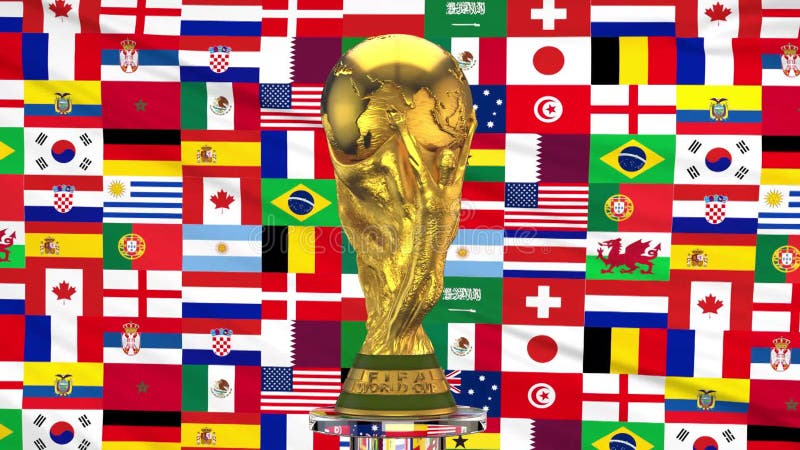
2026 World Cup: Africa can hold its head high
Yinka ADETUNJI
Advertisement

Advertisement

Before the 2026 FIFA World Cup kicked off, many football analysts predicted another difficult tournament for Africa. While a few believed one or two African teams could spring surprises, not many expected the continent to make such a strong statement in the opening rounds.
The results so far suggest that African football has every reason to hold its head high.
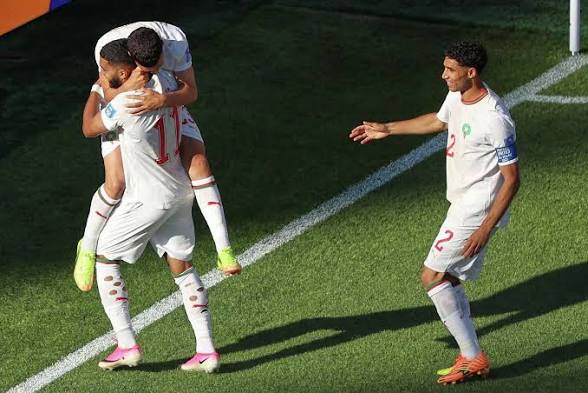
Morocco have been one of the continent’s biggest revelations. After earning a commendable draw against Brazil in their opening match, they followed it up with a deserved 1-0 victory over Scotland. More impressive than the results has been their style of play. The Atlas Lions have shown composure on the ball, tactical discipline and the confidence to dictate games against respected opponents.
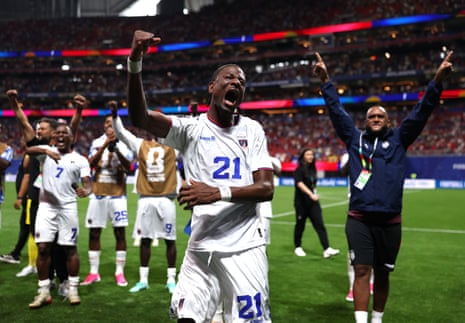
Egypt also demonstrated that African teams are no longer overawed by Europe’s traditional powers. Their draw against Belgium was not achieved through luck but through organisation, resilience and belief. Cape Verde equally frustrated Spain, proving that determination and tactical awareness can neutralise even the most gifted attacking teams.
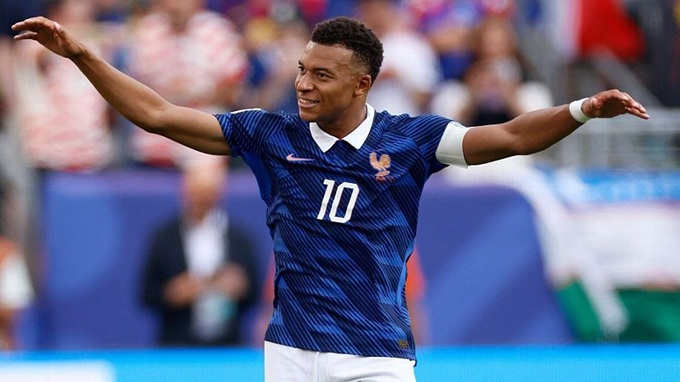
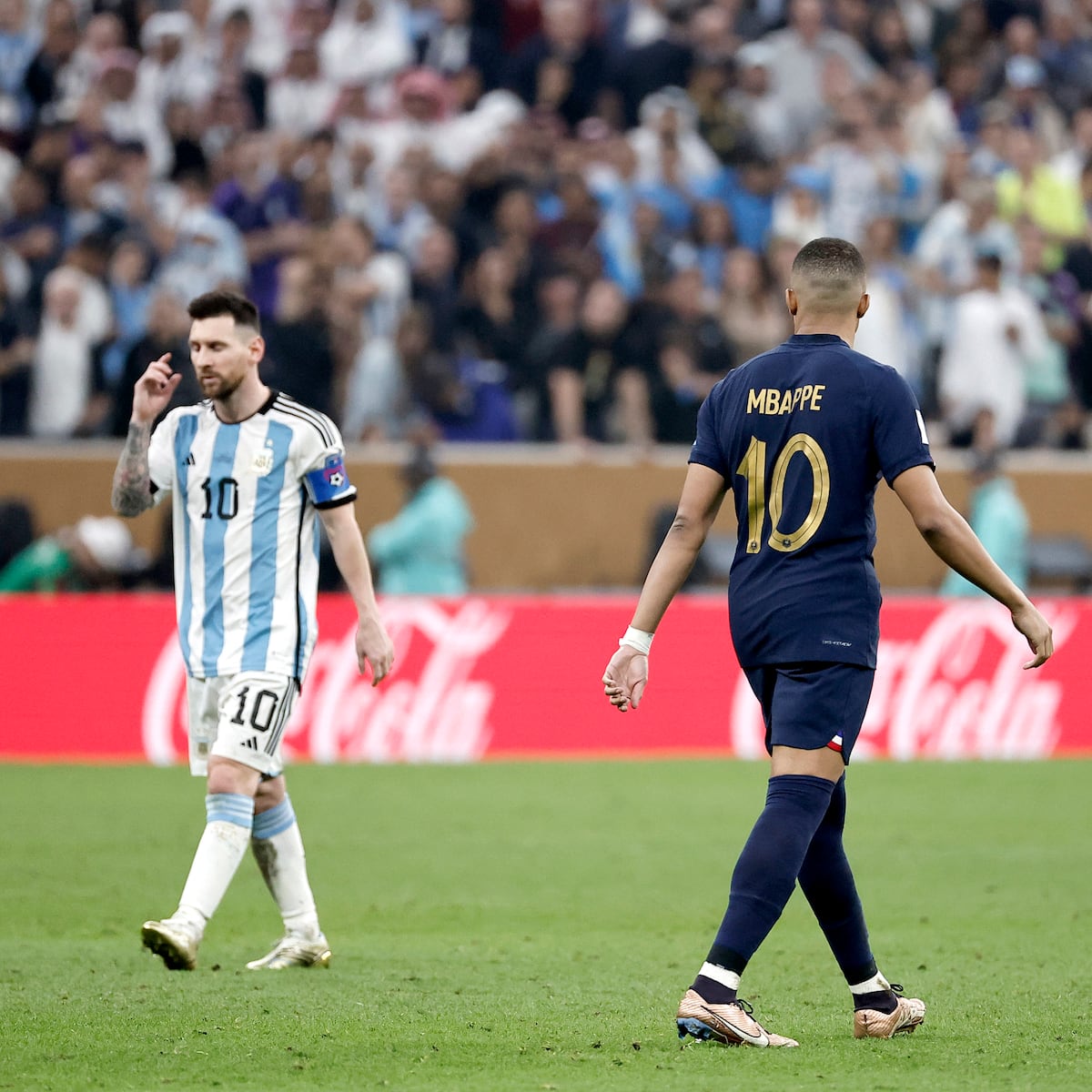
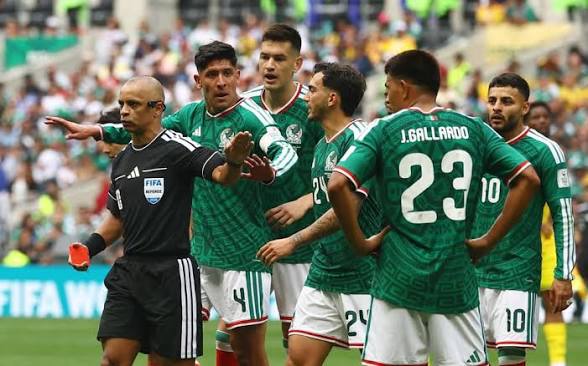
Ghana and Côte d’Ivoire began their campaigns with victories, while Senegal, despite losing to France, showed enough quality to suggest they remain capable of progressing if they respond positively in their remaining fixtures. Not every African representative has enjoyed a favourable start. Tunisia suffered a heavy defeat to Sweden, Algeria were beaten by defending champions Argentina, while South Africa lost to Mexico. Yet these setbacks should not overshadow the continent’s overall performance.
Advertisement

Advertisement

The important lesson is that African football is no longer merely participating at the World Cup. It is competing.
For decades, African nations have produced some of the world’s finest footballers. From Roger Milla to George Weah, from Didier Drogba to Samuel Eto’o, from Yaya Touré to Mohamed Salah, the continent has never lacked talent. What has often been missing is consistency at football’s biggest tournament.
Perhaps that narrative is beginning to change.
The expansion of the World Cup has given Africa greater representation, but increased numbers alone will not earn respect. Respect comes from performances, discipline and results. On these measures, many African teams have acquitted themselves well in the opening phase of the competition.
However, there is still much work to be done. Good performances alone do not win trophies or guarantee qualification for the knockout rounds. African teams must build on these encouraging displays, avoid costly lapses in concentration and seize opportunities when they arise.
If the opening matches have proved anything, it is that African football has outgrown the label of an outsider. The continent has shown that it can compete with the very best. The challenge now is to convert that competitiveness into a deep run in the tournament.
Advertisement

Africa can indeed hold its head high—but the ultimate ambition should be to make the rest of the football world look up to it.






Leave a Reply