
What the opening matches have told us about world cup 2026
Yinka ADETUNJI
Advertisement

Advertisement

The 2026 FIFA world cup is only just beginning, but the opening set of matches has already offered an early glimpse into the rhythm, demands and unpredictability of this expanded tournament. With 48 teams competing across three host nations, the competition has immediately shown that margins remain fine, regardless of format or reputation.
A strong start for the hosts, but not without struggles
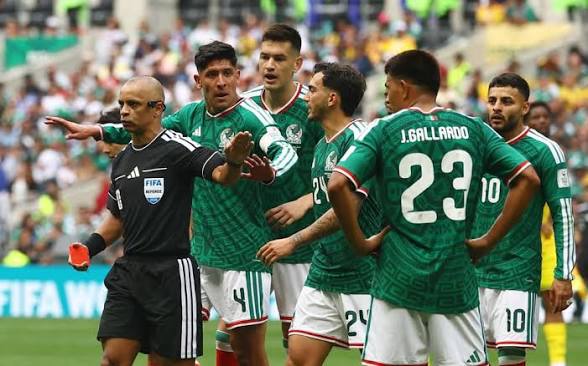
Co-hosts Mexico opened the tournament with a 2–0 victory over South Africa in a match that combined early control with moments of disciplinary tension.
The hosts did enough to secure all three points, but the match was far from straightforward. Red cards and physical confrontations disrupted the flow of play, highlighting how quickly discipline can influence outcomes at this level.
While Mexico will be satisfied with the result, the performance also suggests that efficiency in front of goal and composure in key moments will remain crucial as the tournament progresses.
South Korea show character in comeback win
The second major fixture produced one of the early highlights, as South Korea came from behind to defeat Czechia 2–1.
After conceding first, the Asian side responded with improved structure and control in midfield. Their equaliser shifted the momentum, before they eventually completed the comeback with a decisive second goal in the closing stages.
The result once again reinforces South Korea’s reputation as a disciplined and tactically organised team capable of handling pressure situations effectively.
Advertisement

Advertisement

Canada’s home debut ends in a shared result
Attention also turned to Canada, who played out a 1–1 draw with Bosnia and Herzegovina in their opening match of the tournament.
In what was a historic home appearance at a world cup, Canada dominated long periods of possession but struggled to convert their control into goals. Bosnia, on the other hand, remained compact and disciplined, taking their chance when it came.
Canada eventually found a late equaliser to rescue a point, but the match also highlighted the challenge of turning dominance into decisive results at this level.
Early patterns: intensity and discipline
One of the clearest early trends is the intensity of competition. Teams are pressing aggressively, competing physically, and refusing to give opponents time on the ball.
However, this intensity has also come with consequences. Disciplinary issues have already played a role in shaping outcomes, and teams that fail to maintain composure risk paying a heavy price.
Advertisement

Game management is becoming a key factor
Across the opening matches, another theme has emerged: the importance of game management.
Mexico held their structure well despite disruptions, South Korea adjusted after going behind, and Canada responded under pressure to avoid defeat. These moments underline that world cup football is often decided not just by talent, but by how well teams manage phases of the game.
African perspective: Early pressure continues
For African football observers, the opening result involving South Africa reflects the difficulty of competing against well-prepared opposition, especially in high-pressure opening fixtures.
Although it is still early in the tournament, African teams will need to respond quickly in upcoming matches if they are to remain competitive in their respective groups.
Still too early for conclusions
Despite the talking points, it remains premature to draw firm conclusions about how the tournament will unfold.
World cups are rarely defined by opening matches alone. Teams evolve, adjust tactically, and improve as the competition progresses. Early results often tell only part of the story.
Final thoughts
If the opening matches are anything to go by, world cup 2026 is already shaping up to be a tournament defined by fine margins, tactical discipline, and the ability to respond under pressure.
The real story, however, is only just beginning.












Leave a Reply