
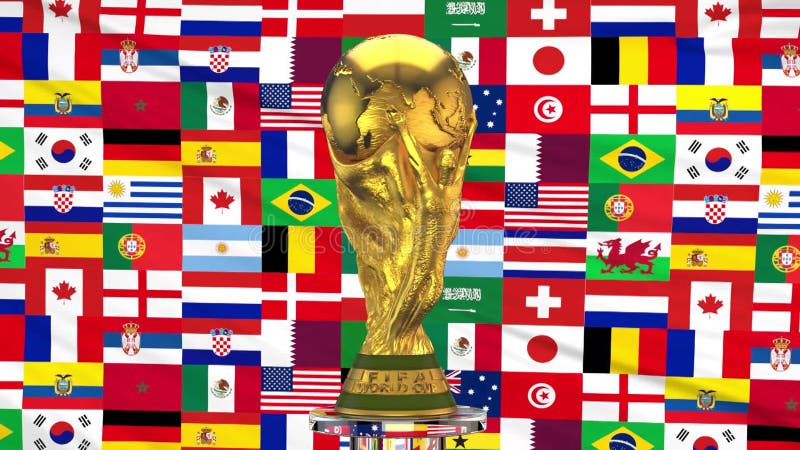
The World Cup Dream: Why every nation wants to be there
Femi OGUNLANA
Advertisement

Advertisement

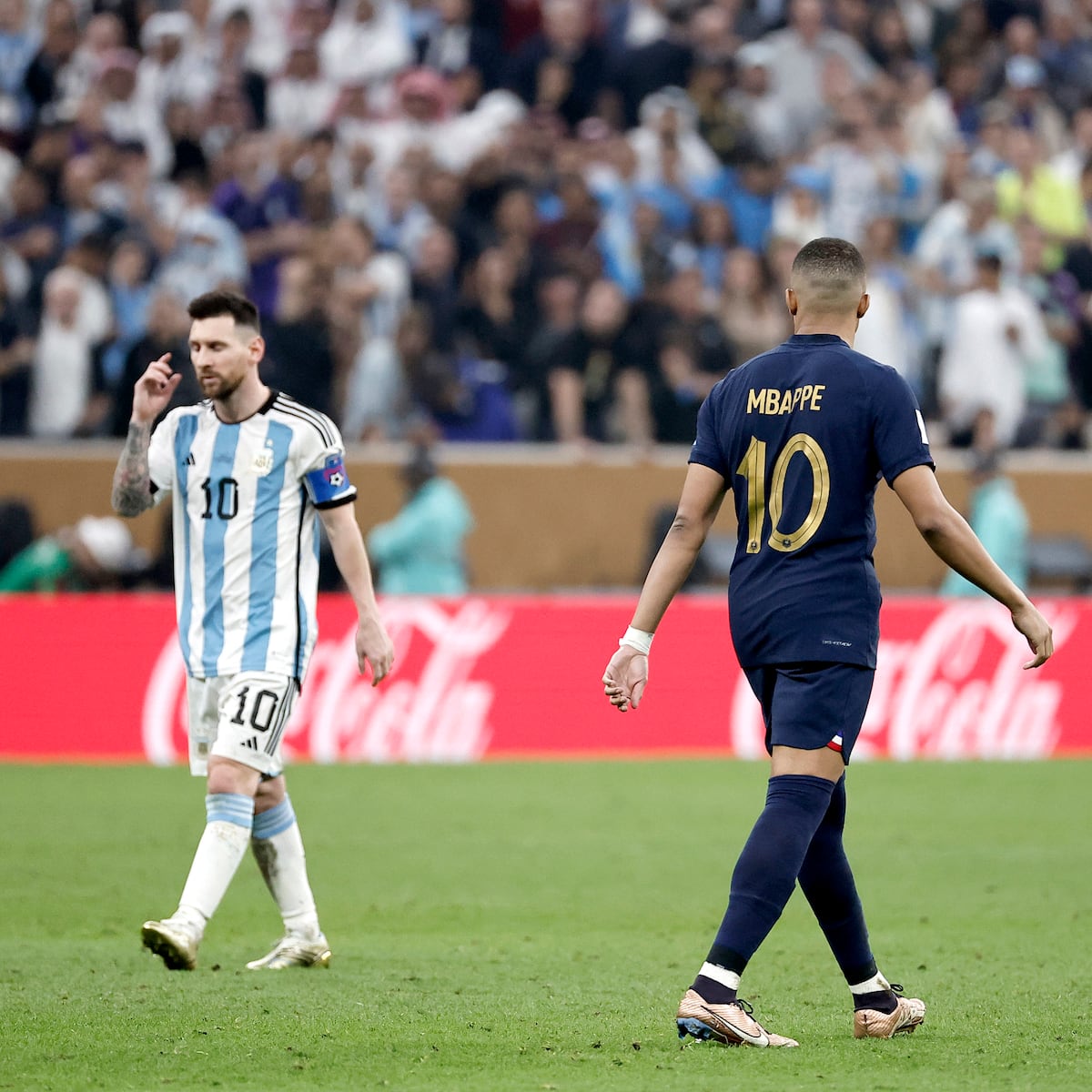
The FIFA World Cup remains the highest stage in global football, a tournament that turns dreams into reality and exposes the fine line between success and disappointment. Every four years, nations across the world go through long qualification battles not just to compete, but to belong on the biggest stage the sport has to offer.
For many countries, qualification alone feels like a trophy. It is proof of progress, structure, and belief. For others, it is an expectation built on history and talent. Yet, regardless of status, the desire remains the same: every nation wants to be at the World Cup because it represents the ultimate validation in football.
Unfortunately, not every footballing nation makes it. Nigeria, one of Africa’s most followed teams, will not be part of the 2026 FIFA World Cup. For a country that has produced generations of talented players and memorable tournament moments since its debut in 1994, this absence is deeply felt at home and across the continent.
The Super Eagles have built a strong World Cup identity over the years. From the explosive entrance in 1994 to the spirited performances that followed in 1998, 2002, 2010, 2014 and 2018, Nigeria has never been a team that simply participates. They have often carried the hopes of African football alongside Morocco, Senegal, Ghana and others who have pushed the continent’s presence on the global stage.
Advertisement

Advertisement

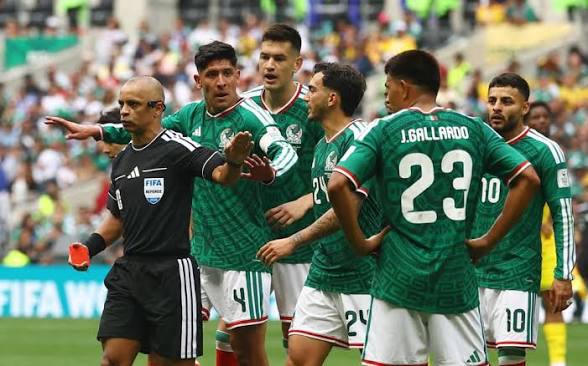
This is why missing out is more than a sporting setback. It is a reminder of how competitive international football has become, and how small margins now decide the fate of even established teams. Across Africa, several strong nations are also absent, showing that reputation alone is no longer enough to guarantee qualification.
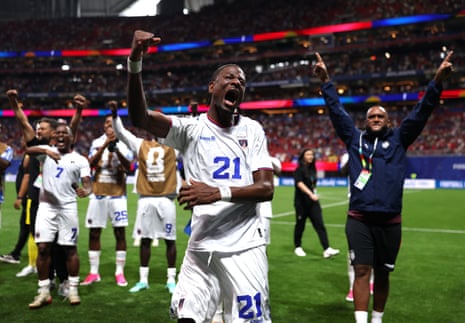
Still, the World Cup dream remains unchanged. For African countries in particular, the tournament carries a deeper meaning. It is not only about footballing success, but about representation, pride and the opportunity to challenge long-standing perceptions of African football on the global stage.
Nigeria’s case also highlights a broader issue in African football. Talent has never been the problem. The continent continues to produce world-class players who excel in top European leagues. The real challenge often lies in consistency, structure, and converting individual brilliance into collective success during qualification campaigns.
As attention now shifts fully to the 2026 tournament in North America, the absence of Nigeria will be noticed, but the dream does not end here. If anything, it resets the conversation. It raises questions about rebuilding, planning, and ensuring that future generations do not miss similar opportunities.
Advertisement

The World Cup will go on without some familiar names, but the ambition remains universal. Every nation still wants to be there, because in football, there is no stage bigger, no audience wider, and no dream more powerful.
For Nigeria and many others watching from home, the hope is simple: that absence today becomes preparation for tomorrow.









Leave a Reply