
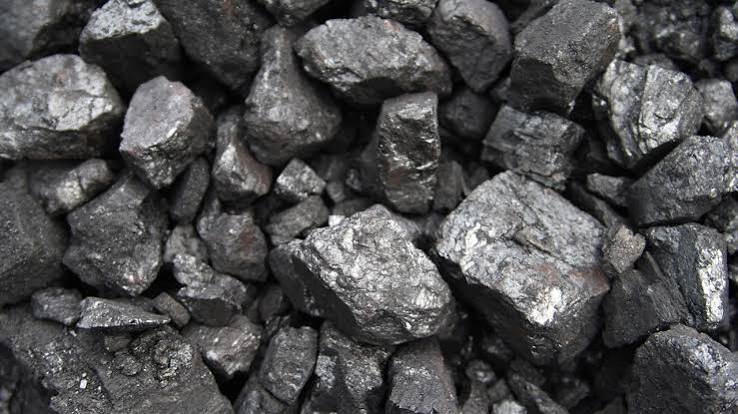
Reports confirm iron ore deposits in Ogbomoso area, but more studies needed
Yinka ADETUNJI
Advertisement

Advertisement

Studies by geologists have confirmed presence of iron ore deposits in impressive quantity in Ogbomoso area of Oyo state specifically at Ajase and Gbede axis in Surulere local government area. The study area covers about 3025 square km.
Reports of studies conducted by the Nigeria Ministry of Mine and Steel Development (Iron-ore exploration opportunities in Nigeria, 2010), Oladunjoye et al., (2013), Afolabi et al. (2013, and others all confirmed the presence of the iron deposits.
According to a report, tagged, “Geological surveys of the Banded Iron Formations (BIF) in the Ogbomoso area (specifically the Ajase and Gbede regions),” obtained by ogbomosoinsightonline.com, there is large presence of the mineral in the region, with the ore composition primarily consisting of a mixture of hematite and magnetite. The iron grade for Gbede area is put at an average iron (Fe) grade of approximately 42.7% and Ajase’s at approximately 39.0%.
Advertisement

The report notes further that in surveying the area, academic and geological bodies utilized interpreted High-Resolution Aeromagnetic Data (specifically from Sheet 222), along with Electrical Resistivity Tomography (ERT) and ground-magnetic imaging to determine the regional geological structure. This method was adopted instead of physical digging.
It is indicated that in terms of geological setting, Ogbomoso is situated within the Precambrian Basement Complex of southwestern Nigeria, with the BIF found thinly banded alongside quartzites and ferruginous gneisses, ascertaining that the current understanding of Ogbomoso BIF key locations are mapped within the Ajase (approx. 19.2 km northeast of Ogbomoso) and Gbede areas.
Advertisement

Advertisement

The report adds that in terms of depth and structure, “The Ajase BIF is buried relatively deep, estimated at roughly 0.5 to 2.0 kilometers beneath the surface, and is believed to lie along fault lineaments or in topographic bedrock depressions, while Gbede is shallower at 0.50 to 0.75 km.”
These depths meanwhile are considered a major technical and financial challenge for extraction.
Advertisement

Viability unconfirmed
This is another report asserts, “Yes, the Ogbomoso BIF area has definite geological prospectivity for iron ore, but the deposit’s economic viability is currently unconfirmed, pending further detailed exploration.”
The area’s main challenge is not the absence of iron ore, but the economic feasibility of mining a deposit that is likely very deep.
So, it is asserted that there is need for further studies to determine the commercial quantity and viability of the deposits. In realizing this, the Nigerian Geological Survey Agency (NGSA) and academic researchers have suggested exploratory drilling involving mechanical coring/drilling to reach the deeper ore bodies; as well as gravity surveys, to cover ground gravity measurements to accurately determine the thickness of the BIF and estimate the total tonnage of the deposits.
Can LAUTECH come in?
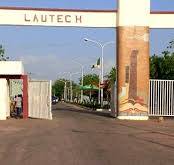
The Ministry of Mine and Steel Development and also the Ladoke Akintola University of Technology (LAUTECH), Ogbomoso through the Department of Earth Science, should step in to undertake this study, by collecting and analyzing samples, determining the lateral extent and volume so as to determine the quality and quantity of the iron ore.
This will be in line with the quest for solid mineral resource as an alternative for oil income in Nigeria even as it offers promising potential for local economic development.
Advertisement















Leave a Reply