JAARC must not be allowed to collapse, by Victor Oyetayo OLAWUYI
A call for coordinated intervention to protect a major educational and digital investment in Ogbomosoland
Advertisement

Advertisement

Advertisement

Advertisement

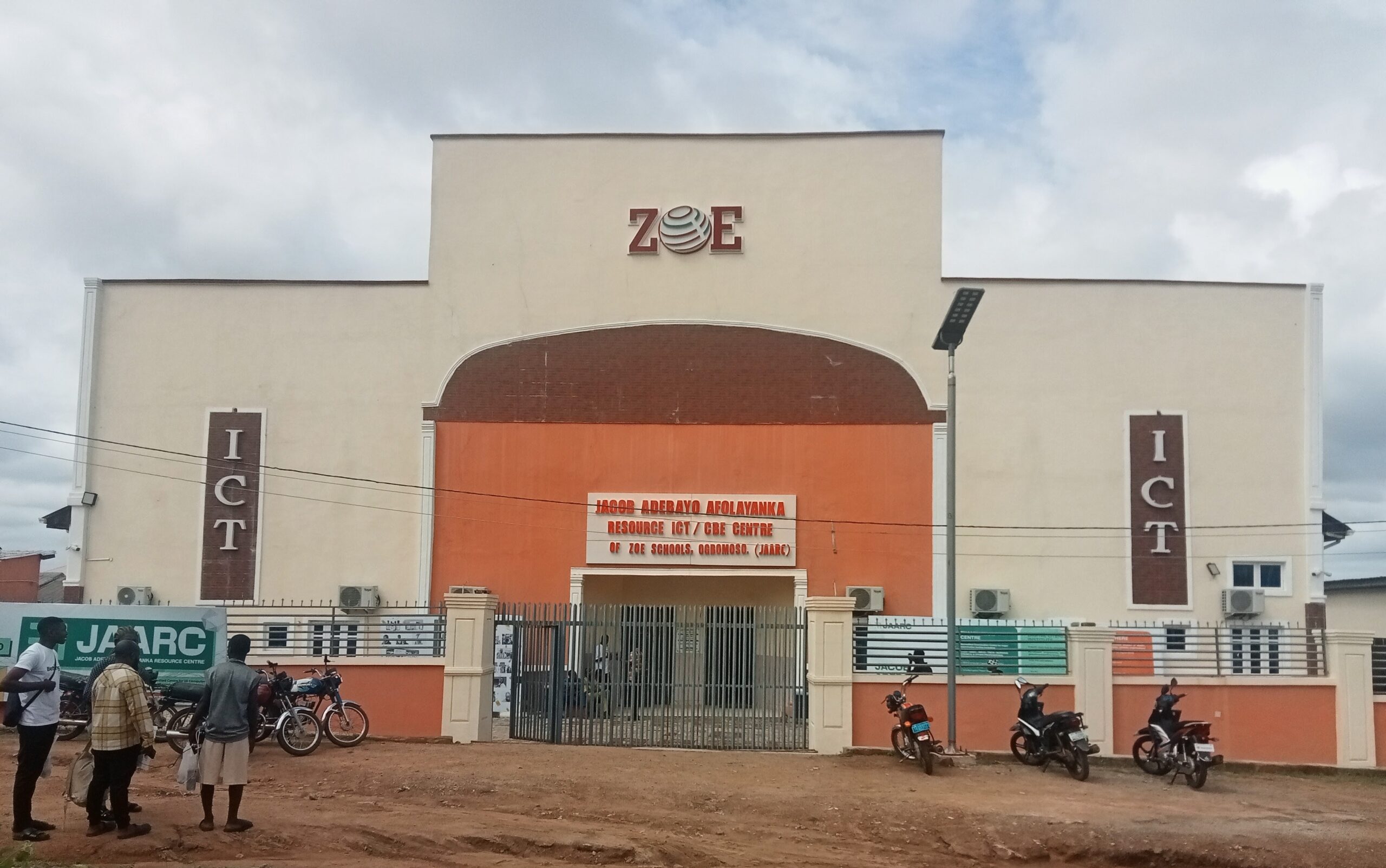
The reported financial distress facing the Jacob Adebayo Afolayanka Resource Centre, widely known as JAARC, should concern every person who cares about the development of Ogbomosoland. This is a 550-capacity computer-based testing and digital learning centre built in Abaa to serve students, teachers, examination bodies and the wider community. Allowing it to collapse would waste valuable infrastructure, weaken confidence in local investment and deprive our young people of an important educational resource.
JAARC is one of the glories of Ogbomosoland. It shows what local vision, courage, and private capital can create when an individual decides to solve a problem rather than merely complain about it. The centre was conceived partly in response to the painful loss of Ogbomoso students who had to travel outside the city to sit for the Unified Tertiary Matriculation Examination. A local examination centre of this scale reduces avoidable journeys, brings services closer to families and strengthens Ogbomoso’s place in Nigeria’s growing digital economy.
According to the public account released by the management, JAARC was commissioned in September 2025 and has capacity for about 550 candidates, with approximately 650 networked computers. The centre reports accreditation or authorisation from JAMB, WAEC, NECO, the Teachers Registration Council of Nigeria, the Nursing and Midwifery Council of Nigeria and Certiport. It also reports training more than 1,000 students and over 150 teachers in digital skills. These figures show that the facility has already moved beyond an idea on paper. It is a functioning institution with infrastructure, users and recognised public value.
The concern of a fellow business owner
As a business owner who has invested in building health services and creating employment in Ogbomoso, I understand the pressure behind projects of this nature. Entrepreneurs outside the major commercial centres often provide their own power, security, technology, training and maintenance while also carrying high financing costs. They create services that the community needs, yet they frequently operate without the patient capital and institutional support available in larger cities.
The founder of JAARC has openly acknowledged that the emergency loans used to complete the project became a serious burden after the original partnership arrangement failed. Some of the reported facilities carry monthly interest rates of between six and eight per cent. Borrowing at that cost can suffocate even a busy enterprise. Revenue that should maintain equipment, pay workers and expand services is consumed by interest before the business can reduce the principal.
Advertisement

Advertisement

We must be honest about this. Every private investment carries responsibility, and public intervention should not excuse poor financial decisions. The founder has admitted that accepting such expensive loans was a mistake. However, one financing mistake should not be allowed to destroy an asset that serves thousands of people and can remain commercially viable under a better capital structure. The sensible response is an orderly, transparent rescue that protects the centre while correcting the weaknesses that produced the crisis.
Why government intervention is justified
Government support for JAARC would not amount to rewarding failure. It would preserve educational infrastructure, local employment, digital inclusion and examination capacity. Governments routinely support agriculture, transport, manufacturing and other sectors when productive assets face temporary financing problems. Education and digital infrastructure deserve the same seriousness, especially where a private organisation has already supplied the land, buildings, equipment and operational systems.
The Oyo State Government should urgently convene the owners, credible financial advisers, representatives of the examination bodies and potential investors. The purpose should be to establish the true financial position of the centre and identify a sustainable rescue option. Relevant federal institutions and agencies with mandates covering education, digital inclusion and enterprise development should also examine how they can assist through refinancing, credit support, programme partnerships or the purchase of training services.
A special intervention could include replacing the high-interest debt with a longer-term and more affordable facility, subject to proper due diligence. Government could also enter a structured public-private arrangement under which JAARC delivers digital literacy and examination-readiness programmes for public-school students and teachers. Such support would create measurable public benefit instead of becoming an unrestricted bailout.
Advertisement

Advertisement

A call to NGOs and development partners
Organisations working in education, youth development, digital inclusion and workforce readiness should view JAARC as an existing delivery platform. Many development projects spend substantial resources establishing new training sites, purchasing computers and building local relationships. JAARC already has much of that infrastructure. NGOs can sponsor training cohorts, support teacher development, equip the centre for specialised programmes or fund access for students from underserved communities.
Technology companies and corporate social responsibility foundations should also consider equipment support, software licences, connectivity, renewable energy and instructor development. Their intervention would protect existing infrastructure while producing clear outcomes that can be independently measured and reported.
A responsibility for the sons and daughters of Ogbomosoland
I appeal to the sons and daughters of Ogbomosoland at home and in the diaspora. Our response should go beyond sympathy and social-media commentary. Business leaders, professionals, foundations, religious institutions and community associations can form an investment and support consortium. Some may provide equity, others may offer affordable debt, technical advice, legal support or access to institutional partners.
This intervention should be coordinated. Ten serious stakeholders acting through a clear structure will achieve more than one hundred unconnected promises. A rescue consortium could acquire a transparent minority interest, refinance the most damaging obligations and introduce stronger financial oversight. The objective should be to preserve JAARC’s educational purpose while ensuring that the centre operates with the discipline required of a major business.
The rescue must be transparent
Public support will require full disclosure from the owners. Before any investment or government commitment, independent professionals should verify the debt, ownership structure, land title, asset register, accreditations, revenue, operating costs and existing obligations. The centre should provide audited or professionally reviewed financial statements and a credible valuation. Potential partners must know exactly what they are supporting and what rights or responsibilities they will receive.
A credible rescue process should therefore include the following actions:
- Independent financial and legal review to establish the exact debt position, ownership of the assets and any claims over the property or equipment.
- Immediate debt restructuring to replace unsustainable short-term loans with patient and affordable capital.
- A formal investment vehicle to receive funds, define ownership rights and prevent informal arrangements from creating another crisis.
- Stronger governance through a competent board, regular financial reporting and clear separation between ownership, management and oversight.
- Contracted public benefit with measurable commitments for student training, teacher development, examinations and community digital inclusion.
- A sustainable operating plan that expands professional certification, institutional training, digital skills, technology services and appropriate use of the facility between major examinations.
Advertisement

Advertisement

The wider danger to enterprise
The fate of JAARC carries a message beyond one organisation. Nigerians are repeatedly encouraged to establish businesses, create jobs and contribute to national development. Yet many entrepreneurs who take that risk face unaffordable credit, weak infrastructure and little support when a temporary crisis threatens a useful enterprise. If society watches viable community assets disappear without even attempting a structured intervention, other capable people will think twice before committing their savings and reputations to ambitious local projects.
Nigeria needs people who build. We cannot ask citizens to innovate and invest, then remain indifferent when high-cost financing threatens the very enterprises that government wants the private sector to create. This does not mean that every struggling company deserves public money. It means that government should have a transparent mechanism for identifying productive enterprises with strategic or community value, restructuring viable ones and allowing non-viable ones to follow the normal commercial process.
Oyo State can take leadership by developing a community enterprise stabilisation framework for businesses that provide essential services and significant local employment. Eligibility should depend on independent assessment, evidence of demand, full disclosure, owner participation in the rescue and a credible path back to sustainability. Such a framework would protect public resources while encouraging serious entrepreneurs.
Advertisement

A moment for collective action
JAARC should not become another abandoned structure that people remember only through photographs of its commissioning. The computers, examination halls, power systems, connectivity and institutional accreditations represent years of work and a substantial investment in Ogbomosoland. Losing them because of a solvable financing problem would be economically wasteful and socially damaging.
I therefore call on the Oyo State Government, relevant federal agencies, examination bodies, development organisations, financial institutions, corporate foundations and the sons and daughters of Ogbomosoland to open an urgent rescue discussion. The discussion must be driven by facts, transparency and a shared commitment to protect the public value of the centre.
The owners must also meet this intervention with openness. They should present the records, accept independent scrutiny and be willing to adopt a stronger governance structure. Community support will be easier to mobilise when contributors can see the liabilities, assets, operating performance and proposed terms of partnership.
Ogbomoso has produced people of influence in government, business, education, technology, religion and the professions. This is a practical opportunity to turn that influence into a coordinated development response. Saving JAARC will protect an important institution and show future entrepreneurs that Ogbomosoland recognises, scrutinises and supports investments that serve its people.
The time to act is now, before expensive debt converts a temporary financial crisis into permanent loss. JAARC must be stabilised, restructured and preserved for the students, teachers and families who depend on it, and for the honour and development of Ogbomosoland.
 Olawuyi is CEO /Lead Consults, Genesis Medical Diagnostics Centre, Ogbomoso and a Community development advocate