Banditry: Ogbomoso unveils security strategy, presented in English and Yoruba (SEE FULL TEXT OF BOTH VERSIONS)
Yinka ADETUNJI
Advertisement

Advertisement
Advertisement

Advertisement

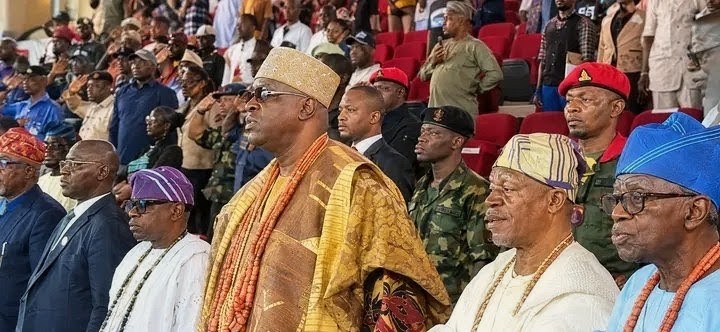
The Ogbomosoland Security Summit 2026 has called for a community-owned and intelligence-led security architecture for the region, stressing that the security of lives and property must remain the foundation of the development aspirations of Ogbomosoland.
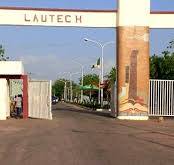
The summit, which was held on Wednesday, September 30, 2026, at the Great Hall of the Ladoke Akintola University of Technology (LAUTECH), Ogbomoso, also witnessed the official launching of the Ogbomoso Security Trust Fund as part of efforts to mobilise sustainable resources for security operations, logistics, equipment and intelligence gathering.
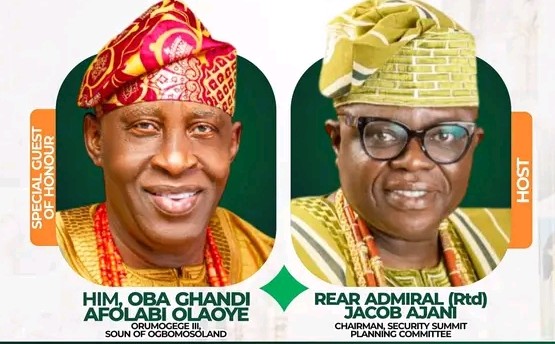
The summit, held under the auspices of the 25-Year Ogbomoso Development Vision of His Imperial Majesty, Oba Ghandi Afolabi Olaoye Orumogege III, Soun of Ogbomosoland, brought together traditional rulers, government representatives, security agencies, academics, community leaders, professionals, civil society organisations and other stakeholders.
Advertisement

Advertisement
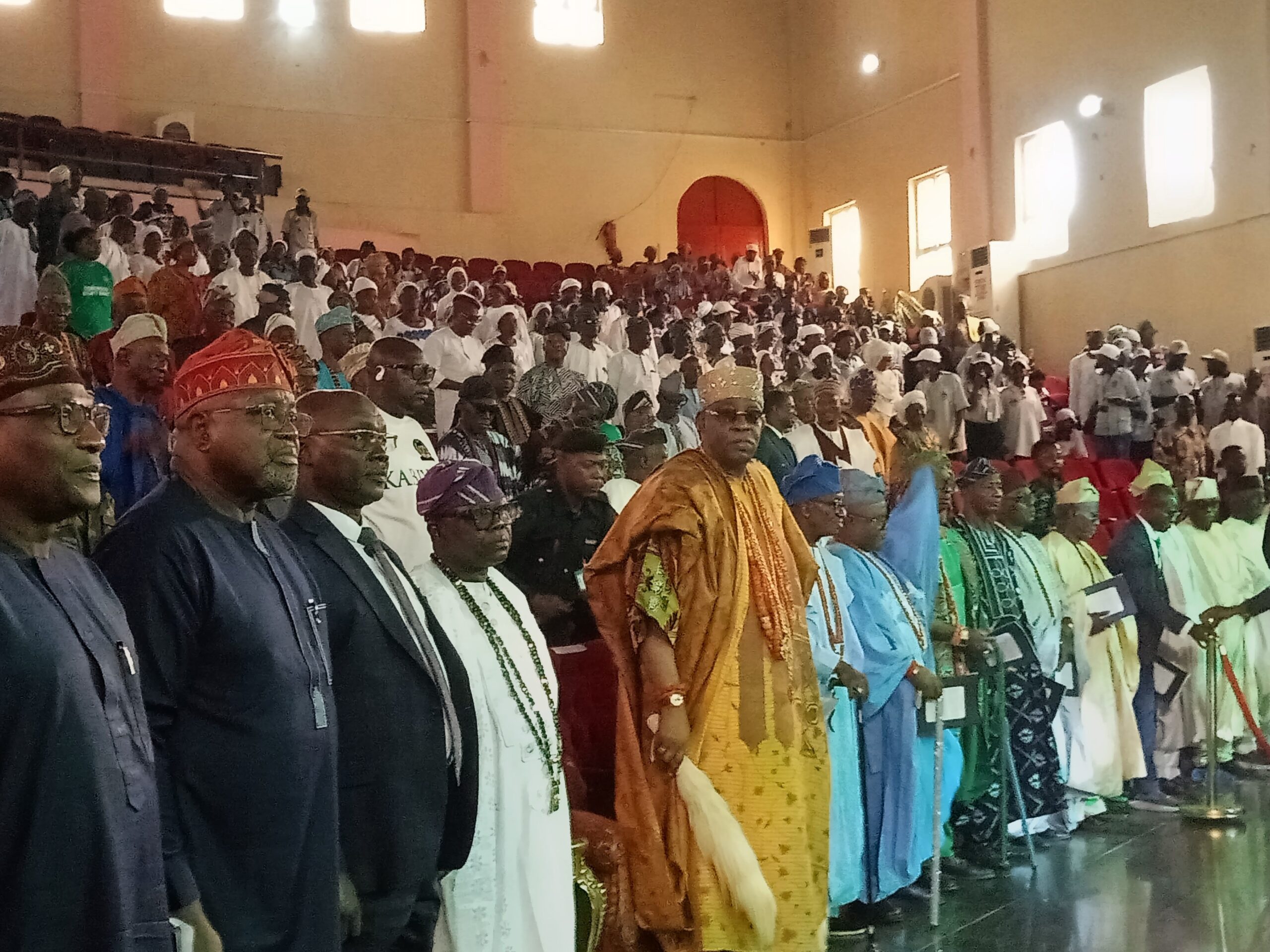
A major highlight of the gathering was the attendance and active participation of more than 40 traditional rulers from across Ogbomosoland, which the summit described as a demonstration of royal unity and commitment to the security of the region.
Security must precede development
The summit, with the theme, “Community-Based Security Management in Ogbomosoland: Issues, Challenges and Prospects,” affirmed that no meaningful development can take place without adequate security.
It noted that the security of lives and property was essential to the growth of education, agriculture, commerce, transportation, investment and the general wellbeing of the people.
The summit quoted the Soun of Ogbomosoland as saying, “We must secure Ogbomosoland so that Ogbomosoland can rise.”
Participants therefore resolved that security management in Ogbomosoland must move beyond a system that relies solely on government and conventional security agencies to one in which communities and other stakeholders play active roles.
The summit identified participation, collaboration, decentralised problem-solving and mutual accountability as key principles for the new security framework.
Summit adopts lessons from Oriire abduction
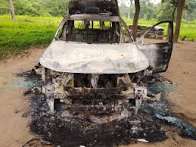
The summit placed particular emphasis on the need for early detection and accurate reporting of security threats, drawing lessons from the recent abduction incident in Oriire local government area.
It stressed the importance of Human Intelligence (HUMINT), community vigilance and prompt sharing of credible information.
The also summit encouraged residents to report suspicious activities and security incidents not only to the Police and other conventional security agencies, but also through trusted channels such as traditional rulers, chiefs, religious leaders and local government officials.
Advertisement

Advertisement

It adopted the guiding principle that “We must not wait for another Oriire to happen.”
Participants also called for stronger mechanisms to protect the confidentiality and safety of people who provide security information, noting that citizens would be more willing to volunteer intelligence where they have confidence that their identities and safety would be protected.
40 traditional rulers urged to maintain unity
The summit commended the more than 40 traditional rulers who attended the gathering and urged them to maintain a united front in addressing security challenges across their respective domains.
It resolved that traditional rulers should strengthen cooperation and grassroots security consciousness while working together across traditional boundaries.
The summit also called for the establishment and strengthening of community security committees at zonal, local government, ward, community and village levels.
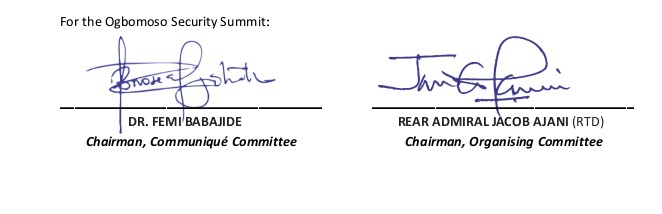
According to the communiqué issued at the end of the summit, signed by Dr. Femi Babajide, chairman (communiqué committee), and Rear Admiral Jacob Ajani (rtd.) (chairman, organising committee), the committees should include traditional rulers, community leaders, teachers, students, traders, youths, religious leaders and local security actors.
Such committees, it said, would promote early warning, information sharing, community ownership and effective liaison with formal security agencies.
Summit expresses concern over absence of LG chairmen
The summit also expressed concern over the absence of local government chairmen from the security gathering.
It described their absence as a “gross misnomer,” stressing that local government leadership should be at the forefront of grassroots security management.
The summit called for greater involvement of the local government authorities in security matters and urged them to strengthen their liaison with the state and federal governments.
It further noted that the provision of basic infrastructure, social amenities, economic opportunities and good governance at the grassroots would help build public confidence and promote citizen loyalty.
Advertisement
Advertisement

Ogbomoso’s strategic location requires wider cooperation
The gathering recognised the strategic position of Ogbomoso as a major gateway between northern and southwestern Nigeria.
It consequently called for stronger security cooperation between Ogbomosoland and neighbouring states and local government areas.
The meeting described this as a “strategic security handshake,” involving intelligence sharing, coordination and cooperation beyond the immediate borders of Ogbomosoland.
It also recommended the comprehensive mapping of communities, remote roads, border entry points, communication facilities, public lighting and other vulnerable locations to facilitate effective security planning and rapid emergency response.
Security Trust Fund launched
The conference likewise commended the launch of the Ogbomoso Security Trust Fund, describing it as an important vehicle for mobilising resources outside government funding to support security operations.
It called on Ogbomoso indigenes at home and in the diaspora, corporate organisations and well-wishers to contribute generously to the fund.
Advertisement

However, it stressed the need for strict transparency, accountability and measurable performance in the management of the fund, while recommending the constitution of a Board of Trustees and a management team to ensure responsible administration of the resources.
Education, youth development critical to security
The summit also identified education and youth development as important components of long-term security management.
It stressed that children and youths must have access to quality education, moral upbringing and skills development to reduce vulnerability to criminal recruitment and social unrest.
This is as the summit welcomed the Police Community Relations Committee (PCRC) Schools Initiative, with the Soun of Ogbomosoland as Grand Patron, aimed at promoting security awareness and responsible citizenship among students.
It called for the expansion of the initiative across schools in Ogbomosoland.
Yoruba translation of communiqué made mandatory
In a move aimed at ensuring grassroots participation, the gathering resolved that all presentations delivered by resource persons and the communiqué itself must be translated into Yoruba.
It said the measure would ensure that security guidelines and resolutions were understood by residents across Ogbomosoland and would encourage wider community ownership of the security agenda.
The summit also supported the responsible integration of legitimate local security arrangements and traditional community security practices, including vetted local vigilantes, into the wider security architecture, subject to statutory laws and respect for fundamental human rights.
Summit calls for action
In its call to action, the meeting urged stakeholders to move from reaction to prevention, isolation to collaboration and vulnerability to resilience.
It called for a coordinated, intelligence-led, community-owned and accountable security structure involving traditional institutions, government, security agencies, Local Governments, communities, educational institutions, businesses, religious organisations, youths and civil society.
This is as it reaffirmed that the security of Ogbomosoland is a collective responsibility and an indispensable requirement for the fulfilment of the region’s 25-Year Development Vision.
Advertisement

FULL TEXT OF ENGLISH VERSION
OGBOMOSOLAND SECURITY SUMMIT / LAUNCHING OF SECURITY TRUST FUND COMMUNIQUÉ
Issued at the end of the Ogbomosoland Security Summit, 2026
Theme: “COMMUNITY-BASED SECURITY MANAGEMENT IN OGBOMOSOLAND: ISSUES, CHALLENGES AND PROSPECTS”
Venue: The Great Hall, LAUTECH, Ogbomoso, Oyo State |
Date: 30 September 2026
PREAMBLE
The Ogbomosoland Security Summit 2026, held under the auspices of the 25-Year Ogbomoso Development Vision of His Imperial Majesty Oba Ghandi Afolabi Olaoye Orumogege III, Soun of Ogbomosoland, brought together traditional institutions, government representatives, security agencies, academics, community leaders, professionals, civil society actors, and other key stakeholders. Significantly, the Summit witnessed the distinguished attendance and active participation of over 40 traditional rulers from across Ogbomosoland, symbolizing a unified, royal commitment to safeguarding the realm.
The primary objectives of the Summit were to:
- Deliberate on Security Challenges: Evaluate current and emerging security threats facing Ogbomosoland.
- Build a Community-Owned Framework: Transition security management from a purely government-led model to a collaborative, community-owned architecture.
- Establish Sustainable Funding: Launch the Ogbomosoland Security Trust Fund to mobilize resources for security operations, infrastructure, and intelligence.
- Drive Prevention & Resilience: Shift the regional security posture from reactive measures to proactive prevention, inter-agency collaboration, and community resilience.
- Support Long-Term Vision: Secure life and property as an indispensable prerequisite to achieving the 25-Year Ogbomoso Development Vision.
Following the keynote address, technical presentations, panel discussions, and extensive contributions from participants, the Summit observed and resolved as follows:
OBSERVATIONS AND RESOLUTIONS 1. SECURITY AS THE FOUNDATION OF DEVELOPMENT
The Summit affirmed that security of life and property is fundamental to the realization of Ogbomosoland’s development aspirations. As emphasized by His Imperial Majesty, the Soun of Ogbomosoland, “We must secure Ogbomosoland so that Ogbomosoland can rise.” Security must therefore be treated as an essential foundation for economic development, education, agriculture, commerce, mobility, and social wellbeing.
1 2. ROYAL LEADERSHIP, UNITY, AND COOPERATION AMONG TRADITIONAL RULERS
The Summit noted with deep appreciation the historic attendance and active presence of over 40 traditional rulers across Ogbomosoland. The Summit resolved that unity and close cooperation among traditional rulers are vital and indispensable to regional peace, security, and harmonious coexistence. Royal fathers must maintain a united front, foster synergy across traditional boundaries, and lead grassroots security consciousness within their respective domains.
- COMMUNITY-BASED SECURITY AS A SHARED RESPONSIBILITY
The Summit recognized that security can no longer be regarded as the exclusive responsibility of government and conventional security agencies. It requires the active participation of communities and all relevant stakeholders, built around four core principles: participation, collaboration, decentralized problem-solving, and mutual accountability.
- TIMELY, ACCURATE INTELLIGENCE AND MULTI-CHANNEL INCIDENT REPORTING
The Summit stressed the supreme importance of community intelligence, vigilance, accurate information management, and early detection of threats. Communities must be enlightened and empowered to identify unusual activities and report credible information promptly. The Summit emphasized that incident reporting must be timely and accurate, and explicitly clarified that reporting need not be restricted to the Police or conventional Security Agencies alone. Citizens are encouraged to also report security incidents to Local Government officials, traditional rulers and chiefs, and religious leaders, who serve as trusted and accessible channels. Effective utilization of Human Intelligence (HUMINT) is essential. Reflecting on lessons from the Oriire abduction incident, the Summit adopted the firm guiding principle: “We must not wait for another Oriire to happen.”
- ESTABLISHMENT OF COMMUNITY SECURITY COMMITTEES AT ALL LEVELS The Summit mandated the establishment and strengthening of Security Committees at all levels— including zonal, Local Government, ward, community, and village levels. These committees must comprise traditional rulers, community leaders, teachers, students, traders, youth representatives, religious leaders, and local security actors. Such multi-tiered structures will facilitate grassroots ownership, structured information sharing, early warning, and effective liaison with formal security apparatuses.
- LOCAL GOVERNMENT RESPONSIBILITY, STATE LIAISON, AND CITIZEN LOYALTY
The Summit underscored the pivotal role of Local Government Areas (LGAs) in grassroots security governance. The Summit observed with concern that the absence of Local Government Chairmen at this critical security gathering was a gross misnomer, as local government leadership ought to be at the forefront of community safety. Furthermore, the Summit emphasized the necessity of proactive liaison with higher levels of government (State and Federal) to ensure that adequate governance, infrastructure, basic social amenities, and economic opportunities are consistently provided to the people. Providing good governance at the grassroots is essential to foster civic trust, build public confidence, and promote unalloyed citizen loyalty.
- LOCAL KNOWLEDGE AND COMMUNITY SECURITY PRACTICES
The Summit encouraged the responsible integration of local knowledge, traditional community security practices, and legitimate community-based security arrangements (including local vigilantes) into the wider security architecture, while ensuring strict compliance with statutory law and respect for fundamental human rights.
- OGBOMOSO AS A STRATEGIC SECURITY CORRIDOR
The Summit recognized the strategic position of Ogbomoso as a critical gateway connecting northern and southwestern Nigeria, giving its security wider regional and national implications. Consequently, effective security management in Ogbomosoland requires sustained attention and collaboration beyond immediate borders, necessitating a proactive “strategic security handshake” with neighboring states and adjoining local jurisdictions.
- MAPPING AND INFRASTRUCTURE FOR SECURITY ARCHITECTURE
The Summit recommended the systematic mapping of communities, remote roads, border entry points, communication facilities, public lighting, and vulnerable locations to support precise risk assessment, rapid emergency response, and modern security planning.
- STRENGTHENING TRUST AND CONFIDENTIAL COLLABORATION
The Summit called for deliberate efforts to build mutual trust between citizens and formal security agencies. The operational principle of “See something, say something” must be anchored on robust mechanisms that protect the confidentiality and safety of informants. Traditional rulers, local chiefs, religious leaders, and LG authorities must be fully leveraged as trusted conduits for receiving and escalating security intelligence.
- SUPPORT FOR THE OGBOMOSO SECURITY TRUST FUND
The Summit commended the official launching of the Ogbomoso Security Trust Fund as a vital vehicle for mobilizing non-governmental resources for operational support, logistics, equipment, and intelligence infrastructure. The Summit commended the commitment to total transparency, accountability, and measurable impact, urging all Ogbomoso indigenes (at home and in the diaspora), corporate organizations, and well-wishers to contribute generously.
- EDUCATION FOR CHILDREN/YOUTHS AND SCHOOL SECURITY INITIATIVES
The Summit emphasized that quality education, moral upbringing, and skill development for children and youths are basic prerequisites for long-term peace and crime prevention. Ensuring that children and youths remain in school and gainfully engaged is vital to preventing restiveness and recruitment into criminality. Alongside general youth education, the Summit welcomed the launch of the Police Community Relations Committee (PCRC) Schools Initiative—with His Imperial Majesty the Soun of Ogbomosoland invested as Grand Patron—to build security awareness and responsible citizenship among students.
- MANDATORY TRANSLATION OF SUMMIT PROCEEDINGS AND COMMUNIQUÉ INTO YORUBA To ensure maximum reach, grassroots inclusion, and deep community ownership, the Summit resolved that the translation of all presentations delivered by resource persons, as well as this Communiqué, into the Yoruba language is mandatory. This will guarantee that security guidelines and resolutions are fully understood and implemented by all residents across Ogbomosoland.
KEY RECOMMENDATIONS
- Establish Community Security Committees at All Levels: Set up and operationalize multi-tiered Security Committees across all zonal, Local Government, ward, community, and village levels with broad stakeholder representation.
- Institutionalize Timely, Accurate & Multi-Channel Incident Reporting: Enforce timely and accurate reporting of security threats, affirming that citizens can report not only to police/security agencies, but also to LG officials, traditional rulers and chiefs, and religious leaders.
- Strengthen Unity and Synergy Among Traditional Rulers: Foster continuous unity, dialogue, and joint security monitoring among the 40+ traditional rulers to secure all domains collaboratively.
- Ensure Local Government Accountability & Governance Liaison: Address the absence of LG leadership as a misnomer by mandating active LGA participation in security, while actively liaising with State and Federal Governments to deliver public services that promote citizen loyalty.
- Prioritize Education & Security Awareness for Children and Youth: Ensure comprehensive access to education and moral development for children and youths to prevent crime, alongside expanding the PCRC Schools Initiative across all educational institutions.
- Mandate Yoruba Translation of Summit Outcomes: Execute the mandatory translation of all resource person presentations and this Communiqué into the Yoruba language for widespread community adoption.
- Establish a “Strategic Security Handshake”: Initiate formal security coordination and intelligence sharing with neighboring states and jurisdictions due to Ogbomoso’s gateway status.
- Execute Comprehensive Security Mapping: Conduct systematic mapping of critical infrastructure, border points, transit corridors, lighting, and vulnerable locations to optimize emergency response.
- Integrate Legitimate Indigenous Security Arrangements: Responsibly incorporate vetted traditional security practices and local vigilantes into the formal security framework in compliance with statutory laws.
- Mobilise and responsibly manage the Security Trust Fund: Call on indigenes worldwide and corporate persons to donate to the Ogbomoso Security Trust Fund, governed by strict, transparent and performance metrics to include the constitution of a Board of Trustees and a management team.
CALL TO ACTION
The Summit calls on all stakeholders in Ogbomosoland to move from reaction to prevention, from isolation to collaboration, and from vulnerability to resilience. Summit further calls for the development of a coordinated, intelligence-led, community-owned, and accountable security architecture that brings together traditional institutions, government, security agencies, local authorities, communities, educational institutions, businesses, religious organizations, youth, and civil society. The Summit concludes that the security of Ogbomosoland is a collective responsibility and an absolute prerequisite for the fulfillment of its 25-Year Development Vision. Accordingly, all stakeholders are urged to translate the outcomes of this Summit into concrete, measurable, and sustainable actions, reaffirming that: “We must secure Ogbomosoland so that Ogbomosoland can rise.”
Issued at Ogbomoso, Oyo State, Nigeria, on 30 September 2026. For the Ogbomoso Security Summit:
FULL TEXT OF THE YORUBA VERSION
ÌKÉDE IPÀDÉ LÓRI ÀÀÀBÒ ILÈ ÒGBÓMÒSÓ 2026, ÀTI ÌFILÓLÈ ÌKÓWÓJO ÌDÁÀBÒBÒ ÌLÚ ÒGBÓMÒSÓ
Àkòrí Ìpàdé: “ÌṢÀKÓSO ÀÀBÒ KÁÀKIRI ILẸ̀ ÒGBÓMÒSÓ: ÀWỌN Ọ̀ RỌ̀ TÓ JEYO, ÀWỌN ÌPENIJA ÀTI ÀǸFÀÀNÍ OJÓ IWÁJÚ”
Èyí tó wáyé ní: The Great Hall, LAUTECH, Ògbómọ̀ṣó, Ìpínlẹ̀ Ọ̀ yọ́, ni Ogbònjó Oṣù Kẹsàn-án, odún 2026
ÌBẸ̀RẸ̀
Ìpàdé Ààbò llè Ògbómọ̀ṣó ti odún yíí, (2026) wáyé lábẹ́ àbójútó Ìran olódún márúndílógbòn (25 years agenda) fún Ìdàgbàsókè ilè Ògbómọ̀ṣó, tí olólá, Obá onípò gíga, Kabiyesi Ọba Ghandi Afolabi Olaoye Orumogege kèta, Sọ̀ún ilè Ògbómọ̀ṣó gbé kalẹ̀.
Ìpàdé náà kó àwọn alákóso àṣà ìbílẹ̀, aṣojú ìjọba, àwọn ilé-iṣẹ́ ààbò, àwọn onímọ̀ ẹ̀kọ́ gíga, aṣáájú àwùjọ, àwọn akọ́ṣẹ́mọṣẹ́, àwọn ẹgbẹ́ awùjọ àti àwọn olùkópa pàtàkì mìíràn jọ. Ohun tó ṣe pàtàkì jù lọ ni pé ó lé ní ogójì (40) àwọn Ọba àti àwọn alákóso ìbílẹ̀ láti oríṣìíríṣìí agbègbè ilè Ògbómọ̀ṣó ni wón péjú pésè níbi ìpàdé náà, èyí tó fi hàn pé àwọn Ọba àti àwọn aṣáájú àṣà ti pinnu láti ṣiṣẹ́ pọ̀ fún ààbò àti àlàáfíà ilẹ̀ Ogbomoso.
Àwọn èróngbà ati ìdí abájo pàtàkì ìpàdé náà ni:
- Láti ṣe àyẹ̀wò àwọn ìṣòro ààbò tó ń dojú kọ ilè Ògbómọ̀ṣó lówólówó báyìí àti àwọn èyítí tí ó lè farahàn lọ́jọ́ iwájú.
- Láti gbé ètò ààbò tí àwọn aráàlú fúnra wọn yóò ní ipa pàtàkì nínú rẹ̀ kalẹ̀.
- Láti gbé ètò ìkówójo owó ààbò fún ilè Ògbómọ̀ṣó sílẹ̀, èyítí ó le tó fún ìpèsè àwọn ohun èlò àwon nkan ààbò jọ fún iṣẹ́ ààbò, ìpèsè ohun èlò ìrànwọ́ àti nípa síse alamí lórí àkójọpọ̀ ìròyìn nípa ààbò. • Láti yí ètò ààbò padà láti inú ìdáhùn sí ìṣòro, papaa jùlo lórí irú ìgbésè tó gúnmó lórí ìsèlè tó bá fé ṣẹlẹ̀ ati bí a ó se ìdènà rẹ̀, kí ó tó ṣẹlẹ̀.
- Láti jẹ́ kí ààbò ẹ̀mí àti ohun-ìní di nkan ìpìlẹ̀ fún ìmúṣẹ Ìran olodun 0marundinlogbon fún Ìdàgbàsókè ilè Ògbómọ̀ṣó.
Lẹ́yìn ọ̀rọ̀ pàtàkì tí a gbé kalẹ̀, àwọn ìfihàn àti àáyeé láti òdò àwọn onímọ̀, ìjíròrò àwọn agbóhùnsáfẹ́fẹ́ àti àwọn àfikún ọ̀rọ̀ láti ọ̀dọ̀ àwọn , ìpàdé náà ṣe àwọn àkíyèsí àti ìpinnu wọ̀nyí: ÀWỌN ÀKÍYÈSÍ ÀTI ÌPÌNNU
- ÀÀBÒ NI GÉGÉBÍ ÒPÁKÙTÈLÈ ÌDÀGBÀSÓKÈ
Ìpàdé náà fìdí rẹ̀ múlẹ̀ pé ààbò ẹ̀mí àti ohun-ìní jẹ́ ìpìlè rere fún gbogbo ètò ìdàgbàsókè ilè Ògbómọ̀ṣó. Gẹ́gẹ́ bí Kabiyesi Sọ̀ún Ògbómọ̀ṣóland ṣe tẹnu mọ́ ọn: “A gbọ́dọ̀ mú èètò ààbò lórí ilè Ògbómọ̀ṣó lókúnkúndùn, kí ilè Ògbómọ̀ṣó lè dàgbàsókè.” Nítorí náà, ààbò gbọ́dọ̀ jẹ́ ọ̀kan lára àwọn ohun àkọ́kọ́ tí a máa gbé yẹ̀wò nínú ìdàgbàsókè ọrọ̀ ajé, ètò ẹ̀kọ́, iṣẹ́ àgbẹ̀, òwò síse, ètò ìrìnàjò àti àlàáfíà àwọn aráàlú.
- ÌSÀKÓSO ÀWỌN ỌBA, ÌṢÒKAN ÀTI IFỌ̀KÀNSÌN
Ìpàdé náà dúpẹ́ gidigidi fún ìfarahàn àti ìkópa àwọn Ọba tó lé ní ogójì láti gbogbo agbègbè ilè Ògbómọ̀ṣó. Ìpinnu wáyé wipé ìṣòkan àti ìfọwọ́sowọ́pọ̀ àwọn Ọba jẹ́ ohun pàtàkì fún àlàáfíà, ààbò àti ìbágbépọ̀ rere ará ìlú. Àwọn Ọba gbọ́dọ̀ máa ṣiṣẹ́ pọ̀, kí wọ́n sì jẹ́ aṣáájú nínú fífi ìmọ̀ ààbò sílẹ̀ ní ìpìlẹ̀ ati àwùjọ.
- ÀÀBÒ JẸ́ OJÚSE GBOGBO WA
Ìpàdé náà gbà pé ìpèsè ààbò kò yẹ kísó jé ojúṣe ìjọba àti àwọn ilé-iṣẹ́ ààbò nìkan. Ó gbódò jẹ́ ojúṣe gbogbo ará ìlú. Ó yẹ kí ó dá lórí: ìkópa àwọn aráàlú; ìfọwọ́sowọ́pọ̀; yíyanjú ìṣòro ní ìpele àwùjọ; àti jíjẹ́wọ́ ojúṣe ara wa.
- ÌRÒYÌN ÀÀBÒ TÓ PÉ, TÓ YÁ, ÈYÍ TÓ LU KÁLÉ, KÁ OKO, TÍ Ó SÌ DÉÉDÉÉ ÀKÓKÒ
Ìpàdé náà tẹnu mọ́ pàtàkì ìṣọ́ra, ìkójọpọ̀ ìròyìn àti ìmúlò ìròyìn tó péye láti lè mọ̀ ewu kí ó tó di ìṣòro ńlá. A gbọ́dọ̀ kọ́ àwọn aráàlú bí wọ́n ṣe lè mọ ìwà tàìṣergbésè tí kò bófin mu, kí wọ́n sì máa fi irú ìròyìn bẹ́ẹ̀ tó bá jẹ́ òtítọ́ ránṣẹ́ kíákíá. A tún ṣàlàyé pé fífi ìròyìn ààbò ránṣẹ́ kò yẹ kí ó jẹ́ sí Ọlọ́pàá tàbí àwọn ilé-iṣẹ́ ààbò nìkan. Aráàlú lè fi irú ìròyìn bẹ́ẹ̀ tó ṣe kókó ránṣẹ́ sí: àwọn aláṣẹ Ìjọba Ìbílẹ̀; àwọn Ọba àti Baálẹ̀; àwọn aṣáájú ẹ̀sìn; àti àwọn aṣáájú àwùjọ tí àwọn ènìyàn gbẹ́kẹ̀ lé. A gbọ́dọ̀ se àmúlò ìmọ̀ tí ó wá láti ọ̀dọ̀ àwọn ènìyàn fúnra wọn (Human Intelligence – HUMINT) dáadáa. Kí a fi ìṣẹ̀lẹ̀ ìjínigbé tó ṣẹlẹ̀ ní ijoba ìbílè Òrìire ṣe àpẹẹrẹ, ìpàdé náà gba ìlànà pàtàkì kan pé: “A kò gbọ́dọ̀ dúró de kí irú ìsèlè ijoba ibile Òrìire mìíràn wáyé.”
- ÌDÁGBÀSÓKÈ ÀWỌN ÌGBÌMỌ́ ÀÀBÒ NÍ ÀWON ÌPELE ÌPELE
Ìpàdé náà pàṣẹ pé kí a dá àwọn Ìgbìmọ́ Ààbò sílẹ̀, kí a sì fún àwọn tí ó wà ní ìrónilágbára tí ó lókun ní gbogbo ìpele: agbègbè; Ìjọba Ìbílẹ̀; Wọ́ọ̀dù; àwùjọ; àti abúlé. Àwọn ìgbìmọ́ wọ̀nyí gbọ́dọ̀ ní àwọn Ọba, àwọn aṣáájú àwùjọ, olùkọ́, akẹ́kọ̀ọ́, oníṣòwò, ọdọ́, aṣáájú ẹ̀sìn àti àwọn tó ń ṣiṣẹ́ pẹ̀lú ààbò. Èyí yóò mú kí ìkójọpọ̀ ìròyìn, ìkìlọ̀ ṣáájú ewu àti ìfọwọ́sowọ́pọ̀ pẹ̀lú àwọn ilé-iṣẹ́ ààbò rọrùn.
- OJÚṢE ÌJỌBA ÌBÍLẸ̀, ÌFỌ̀KÀNSÌN PẸ̀LÚ ÌJỌBA ÌPÍN KÀN ÀTI ÀGBÓYÉ ÀWỌN ARÁÀLÚ Ìpàdé náà tẹnu mọ́ ipa pàtàkì tí Ìjọba Ìbílẹ̀ ní nínú ààbò ní ìpìlẹ̀. Ìpàdé náà ṣàkíyèsí pẹ̀lú àníyàn pé àìsí àwọn Alága Ìjọba Ìbílẹ̀ níbi ìpàdé ààbò pàtàkì yìí jẹ́ ohun tí kò bójúmu pẹ̀lú ojúṣe wọn, nítorí pé ó yẹ kí aṣáájú Ìjọba Ìbílẹ̀ wà ní iwájú nínú ọ̀rọ̀ ààbò àwọn aráàlú. A tún tẹnu mọ́ ìbáṣepọ̀ tó yẹ láàárín Ìjọba Ìbílẹ̀ àti Ìjọba Ìpínlẹ̀ àti ti Àpapọ̀, kí àwọn ohun amáyédẹrùn, iṣẹ́ ìjọba, àwọn ohun ìrànwọ́ àwùjọ àti àǹfààní ọrọ̀ ajé lè dé ọ̀dọ̀ àwọn ènìyàn. Ìjọba rere ní ìpìlẹ̀ yóò mú kí ìgbẹ́kẹ̀lé àwọn aráàlú pọ̀ sí i.
- ÌMỌ̀ ÀGBÈGBÈ ÀTI ÀṢÀ ÀÀBÒ ÀWÙJỌ Ìpàdé náà gba ìmúlò ìmọ̀ àgbègbè, àwọn ọ̀nà ààbò ìbílẹ̀ àti àwọn ètò ààbò tó bófin mu tí àwùjọ fúnra rẹ̀ ń lò. Ṣùgbọ́n gbogbo rẹ̀ gbọ́dọ̀ wà lábẹ́ òfin, kí a sì bọ̀wọ̀ fún ẹ̀tọ́ ènìyàn.
- ÒGBÓMỌ̀ṢÓ GẸ́GẸ́ BÍ ÀGBÈGBÈ ÀÀBÒ PÀTÀKÌ
Ìpàdé náà gbà pé ipò Ògbómọ̀ṣó jẹ́ pàtàkì nítorí pé ó jẹ́ ọ̀nà àgbélébùú tó so apá Àríwá àti Gúúsù Ìwọ̀-Oòrùn Nàìjíríà pọ̀. Nítorí náà, ìṣòro ààbò ní Ògbómọ̀ṣó lè ní nipa dídá kọjá ilè Ògbómọ̀ṣó. A gbọ́dọ̀ ní ìfọwọ́sowọ́pọ̀ ààbò pẹ̀lú àwọn ìpínlẹ̀ àti àwọn Ìjọba Ìbílẹ̀ tó yí Ògbómọ̀ṣó ká.
- ÀWÒRÁN ÀGBÈGBÈ ÀTI OHUN AMÁYÉDẸRÙN FÚN ÀÀBÒ
Ìpàdé náà dábàá pé kí a ṣe àwòrán àti ìṣàwárí àwọn: àwùjọ; ọ̀nà jíjìn àti ọ̀nà abẹ́lẹ̀; àwọn ibi tí ènìyàn ti ń wọ̀ àti jáde; ibi ìbánisọ̀rọ̀; iná ìgboro; àti àwọn ibi tí ewu ti lè pọ̀ sí. Èyí yóò ràn wá lọ́wọ́ láti mọ ibi tí ewu ti lè wá, kí ìrànwọ́ pajawiri sì lè dé ní kíákíá.
- KÍ ÌGBẸ́KẸ̀LÉ LÁÀRÍN ÀWỌN ARÁÀLÚ ÀTI ÀWỌN ILÉ-IṢẸ́ ÀÀBÒ LÈ LÓKUN
Síse àkójopò àti ojúse tó gúnmó lorí níná owó ààbò: kí á ké pe àwọn omo bíbí ìlú Ogbomoso àti àwon olùdóko – òwò káàkiri àgbáyé lati se ìdáwó sinu àsùnwòn ètò ààbò, èyítí ìsàkóso rè a nípon, tó kún fún ìfihàn tó mó gaara, èyítí ó kún ojú òsùnwòn àti àgbékalè ofin tó ní ìkìmí, nípàse àjo àwon olùdarí ati ìgbìmò tó n se kòkárí isé. Ìpàdé náà pè fún ìgbésẹ̀ tó là kedere láti kọ́ nípa ìgbẹ́kẹ̀lé láàárín àwọn aráàlú àti àwọn ilé-iṣẹ́ ààbò. Ìlànà pé: “Tí a bábá rí ohun tí kò tọ́, kí a sọ ọ́.” gbọdọ̀ wà pẹ̀lú ètò tó máa dá àṣírí àti ààbò ẹni tó bá fúnni ní ìròyìn dúró. Àwọn Ọba, Baálẹ̀, aṣáájú ẹ̀sìn àti àwọn aláṣẹ Ìjọba Ìbílẹ̀ gbọ́dọ̀ jẹ́ ọ̀nà pàtàkì tí àwọn aráàlú lè gbà fi ìròyìn ààbò ránṣẹ́.
- ÀTÌLẸ́YÌN FÚN OWÓ ÌDÁBÒ BÒ ILÈ ÒGBÓMỌ̀ṢÓ
Ìpàdé náà lu ìgbékalẹ̀ Owó Ìdábò bò nípa ààbò ilè Ògbómọ̀ṣó lógo enu, wón si tún se sàdánkátà, nítorí pé kíkó owó naa jo jẹ́ ọ̀nà pàtàkì fún kíkó àwọn ohun àmúlò àti owó jọ fún iṣẹ́ ààbò. A gbọ́dọ̀ lò ó fún: ohun èlò iṣẹ́; ọkọ̀ àti ìrànwọ́ ìrìnàjò; ohun èlò ààbò; àti àwọn amáyédẹrùn ìkójọpọ̀ ìròyìn. Ìpàdé náà pè sí ìṣàkóso tó hàn gbangba, jíjẹ́wọ́ ojúṣe àti fífi àbájáde iṣẹ́ hàn gbangba. Gbogbo ọmọ Ògbómọ̀ṣó, tó wà nílé àti tó wà ní òkè-òkun, àwọn ilé-iṣẹ́ àti àwọn olùfẹ́ Ògbómọ̀ṣó ni a ké sí láti kópa.
- Ẹ̀KỌ́ ÀWỌN ỌMỌDE ÀTI Ọ̀DỌ́, ÀTI ÀÀBÒ ILÉ-Ẹ̀KỌ́
Ìpàdé náà tẹnu mọ́ pé ẹ̀kọ́ tó dára, ìtọ́sọ́nà rere àti kíkó ọgbọ́n iṣẹ́ sínú àwọn ọmọde àti ọdọ́ jẹ́ ìpìlẹ̀ fún àlàáfíà pípẹ́ àti dídín ìwà ọ̀daràn kù. Ó ṣe pàtàkì kí àwọn ọmọde àti ọdọ́ wà ní ilé-ẹ̀kọ́, kí wọ́n sì ní ohun tó ń mú kí wọ́n ṣiṣẹ́ dáadáa níkáwó won, kí wọn má bà a lọ sínú ìwà ọ̀daràn. Ìpàdé náà tún kí Police Community Relations Committee (PCRC) Schools Initiative káàbọ̀, tí Kabiyesi Sọ̀ún ile Ògbómọ̀ṣó sì ti téwó gba ipò Patron Àgbà won (Grand Patron). Ètò náà wà láti kọ́ ìmọ̀ ààbò àti ojúṣe ọmọ orílẹ̀-èdè rere sínú àwọn akẹ́kọ̀ọ́.
- TÍTÚMÒ GBOGBO ÀKÓJỌPỌ̀ ÌPÀDÈ SÍ ÈDÈ YORÙBÁ Láti jẹ́ kí gbogbo ènìyàn lóye ohun tí a jíròrò lé lórí, kí ìkópa àwọn aráàlú le pọ̀ sí i, kí àwọn ènìyàn sì ní ìmọ̀lára pé wọ́n ní ohun tí ó jẹ́ tiwọn nínú ètò ààbò, ìpàdé náà pinnu pé gbogbo àwọn ìfihàn tí àwọn amòye ṣe àti Ìkédé yìí gbọ́dọ̀ wà ní èdè Yorùbá pẹ̀lú. Èyí yóò jẹ́ kí àwọn ìlànà àti ìpinnu ààbò lè dé ọ̀dọ̀ gbogbo ènìyàn ní ilè Ògbómọ̀ṣó.
ÀWỌN ÀBÁ ÀTI ÌṢẸ́ ÀMÚSE TÍ A GBỌ́DỌ̀ ṢE
- Dídá Ìgbìmọ́ Ààbò sílẹ̀ ní gbogbo ìpele – agbègbè, Ìjọba Ìbílẹ̀, Wọ́ọ̀dù, àwùjọ àti abúlé.
- Mímú kí ètò fífi ìròyìn ààbò ránṣẹ́ ṣiṣẹ́ dáadáa – kí ìròyìn tó péye àti tó yá kiakialè dé ọ̀dọ̀ Ọlọ́pàá, àwọn ilé-iṣẹ́ ààbò, àwọn aláṣẹ Ìjọba Ìbílẹ̀, Ọba, Baálẹ̀ àti aṣáájú ẹ̀sìn.
- Mimú ìṣòkan àwọn Ọba àti àwọn aṣáájú ìbílẹ̀ lágbára – kí wọ́n máa bá ara wọn sọ̀rọ̀, ṣiṣẹ́ pọ̀, kí wọ́n sì máa bójú tó ààbò àwọn agbègbè wọn.
- Mimú ojúṣe Ìjọba Ìbílẹ̀ lágbára – kí àwọn aláṣẹ Ìjọba Ìbílẹ̀ kópa ní kíkún nínú ọ̀rọ̀ ààbò àti ìdàgbàsókè àwùjọ.
- Fifi ẹ̀kọ́ àti ìmọ̀ ààbò àwọn ọmọde àti ọdọ́ sí ipò pàtàkì – kí wọ́n lè ní ọjọ́ iwájú tó dára, kí ìfarapa sí ìwà ọ̀daràn sì dín kù.
- Mú kí ìtúmọ̀ Yorùbá jẹ́ apá pàtàkì nínú àwọn àbájáde ìpàdé – kí gbogbo ènìyàn lè lóye àwọn ìpinnu àti ìlànà.
- Didá “Ìfọwọ́sowọ́pọ̀ Ààbò Pẹ̀lú Àwọn Aládùúgbò” sílẹ̀ – kí ile Ògbómọ̀ṣó lè ní ìbáṣepọ̀ ààbò pẹ̀lú àwọn ìpínlẹ̀ àti agbègbè tó yí i ká.
- Ṣise àwòrán ààbò gbogbo agbègbè – pẹ̀lú àwọn ọ̀nà pàtàkì, ibi tí ènìyàn ti ń wọ̀ àti jáde, amáyédẹrùn àti àwọn ibi tí ewu ti lè pọ̀ sí.
- Mimú àwọn ètò ààbò ìbílẹ̀ tó bófin mu wá sínú ètò ààbò gbogbogbò – pẹ̀lú ìbámu pẹ̀lú òfin àti ẹ̀tọ́ ènìyàn.
- Kikó owó jọ, kí a sì máa ṣàkóso Owó Ìdágbò Ààbò Ògbómọ̀ṣó pẹ̀lú òtítọ́ àti àfihàn àbájáde – kí gbogbo ọmọ Ògbómọ̀ṣó nílé àti ní òkè-òkun, àwọn ilé-iṣẹ́ àti àwọn olùfẹ́ Ògbómọ̀ṣó lè kópa.
ÌPÈ SÍ ÌṢẸ́
Ìpàdé náà ń ké sí gbogbo àwọn olùkópa àti ọmọ ile Ògbómọ̀ṣó láti kúrò nínú ìdáhùn sí ìṣòro lẹ́yìn tó bá ṣẹlẹ̀, kí a sì bẹ̀rẹ̀ sí í dènà ewu kí ó tó ṣẹlẹ̀. Kí a kúrò nínú ìyàsọ́tọ̀, kí a sì gba ìfọwọ́sowọ́pọ̀laaye, Kí a kúrò nínú àìlera, kí a sì kọ́ agbára ìfaradà. A gbọ́dọ̀ dá ètò ààbò kan sílẹ̀ tí: ìmọ̀ àti ìròyìn dá lé lórí; àwọn aráàlú ní imo nipa ohun tí wọ́n jẹ́; àwọn ilé-iṣẹ́ àti ìjọba ń ṣiṣẹ́ pọ̀; àwọn aṣáájú ìbílẹ̀ ń kópa; tí ó sì ní ìṣàkóso tó hàn gbangba àti jíjẹ́wọ́ ojúṣe. Ìpàdé náà parí pé ààbò ile Ògbómọ̀ṣó jẹ́ ojúṣe gbogbo wa, ó sì jẹ́ ohun tí kò ṣeé yà kúrò nínú ìmúṣẹ Ìran olodun marundinlogbon fún Ìdàgbàsókè Ògbómọ̀ṣó.
Nítorí náà, gbogbo àwọn olùkópa ni a rọ̀ láti yí àwọn ìpinnu ìpàdé yìí padà sí ìṣe gidi, ìṣe tí a lè díwọ̀n, tí ó sì lè wà fun igba pipẹ́.
Gẹ́gẹ́ bí ọ̀rọ̀ pàtàkì, èyítí ó di ìpìlẹ̀ ìpàdé náà: “A GBỌ́DỌ̀ DÁ ILÈ ÒGBÓMỌ̀ṢÓ NÍ ILÈ ÀÀBÒ KÍ ILÈ ÒGBÓMỌ̀ṢÓ LÈ DÌDE SÓKÈ.”
A gbé Ìkédé yìí jáde ní Ògbómọ̀ṣó, Ìpínlẹ̀ Ọ̀ yọ́, Nàìjíríà, ní ọjọ́ Ogbonjo Oṣù Kẹsàn-án, odun 2026.