
A road from Ogbomoso to Jos documentary premieres simultaneously in Jos, Ogbomoso
Bolaji OGUNLANA
Advertisement

Advertisement 
A historical documentary chronicling more than a century of migration, trade, settlement and community development by Ogbomoso people in Jos, Plateau State, has been premiered simultaneously in Jos and Ogbomoso, attracting large crowds and prominent dignitaries from both communities.
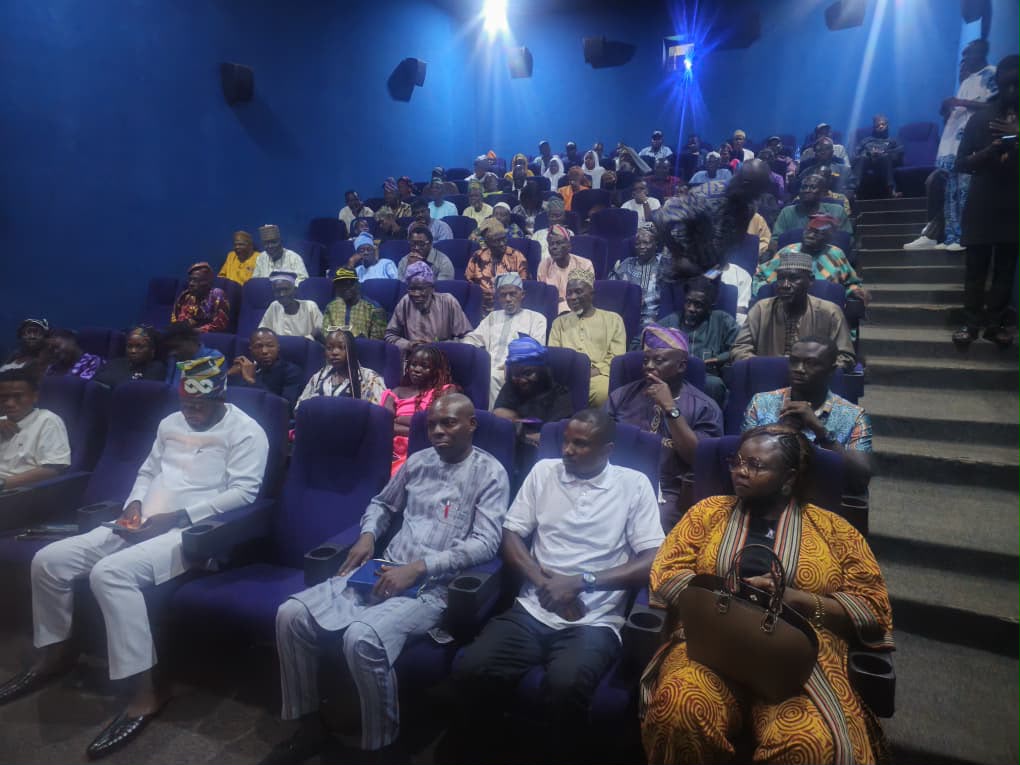
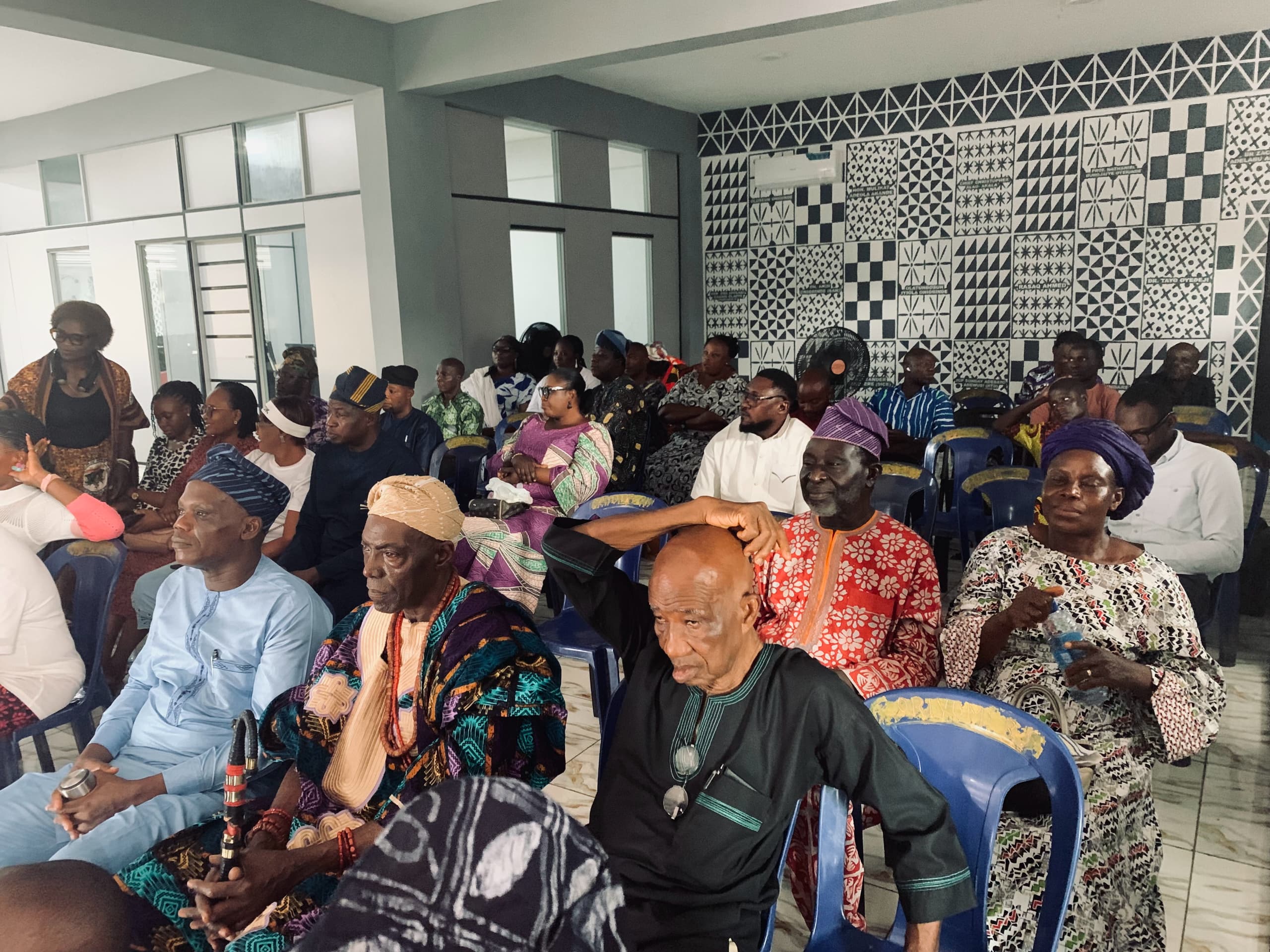
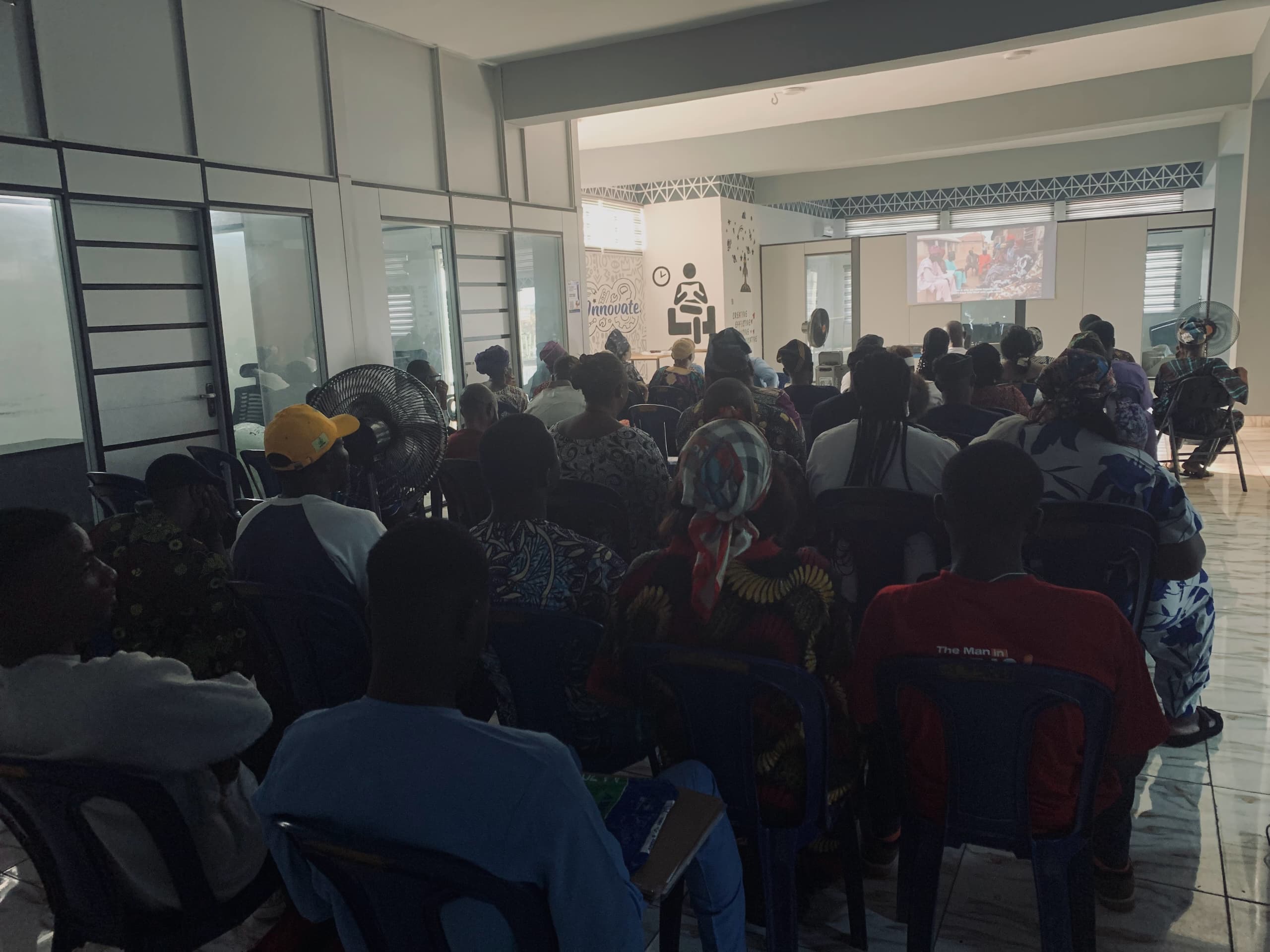
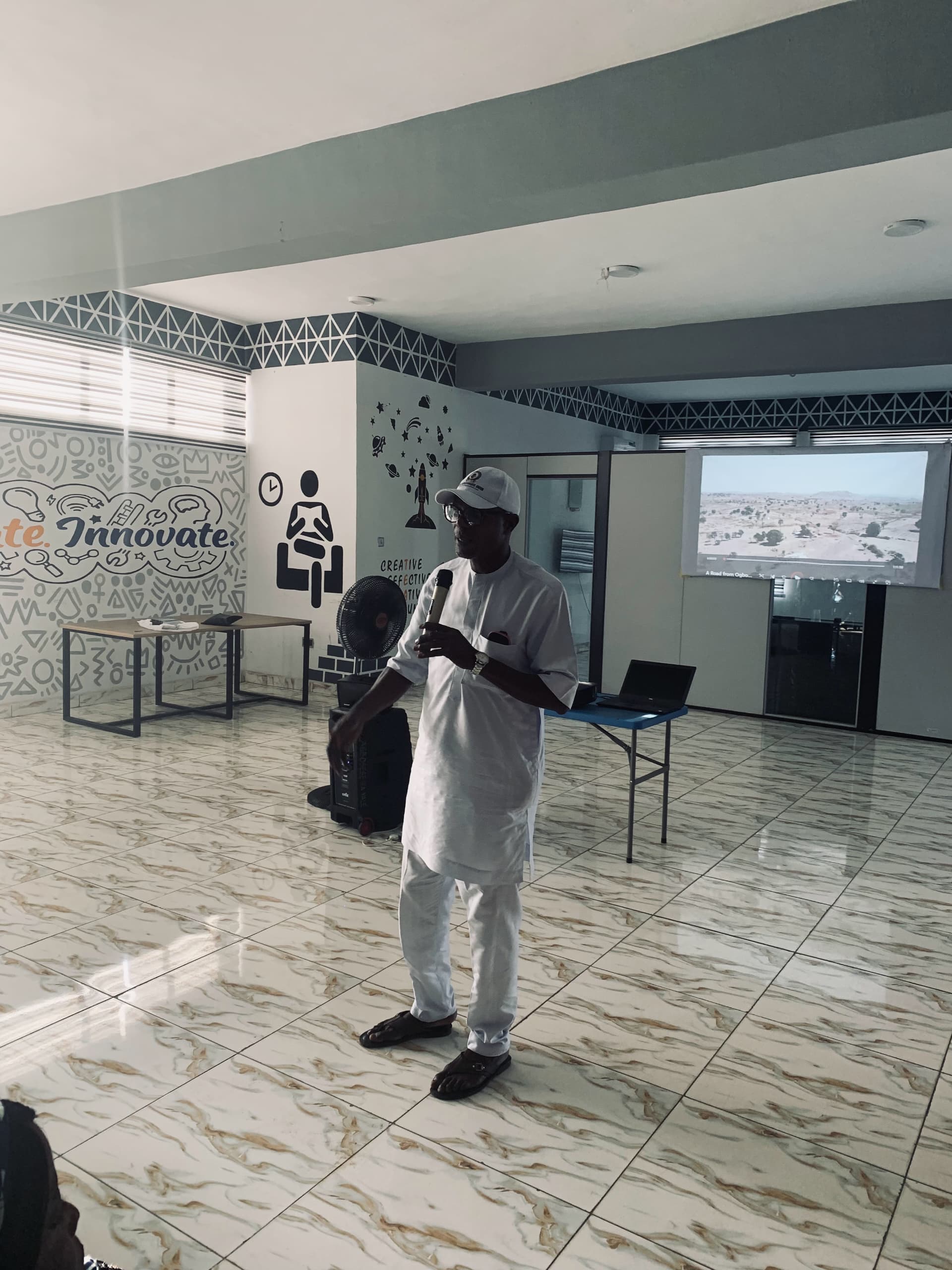
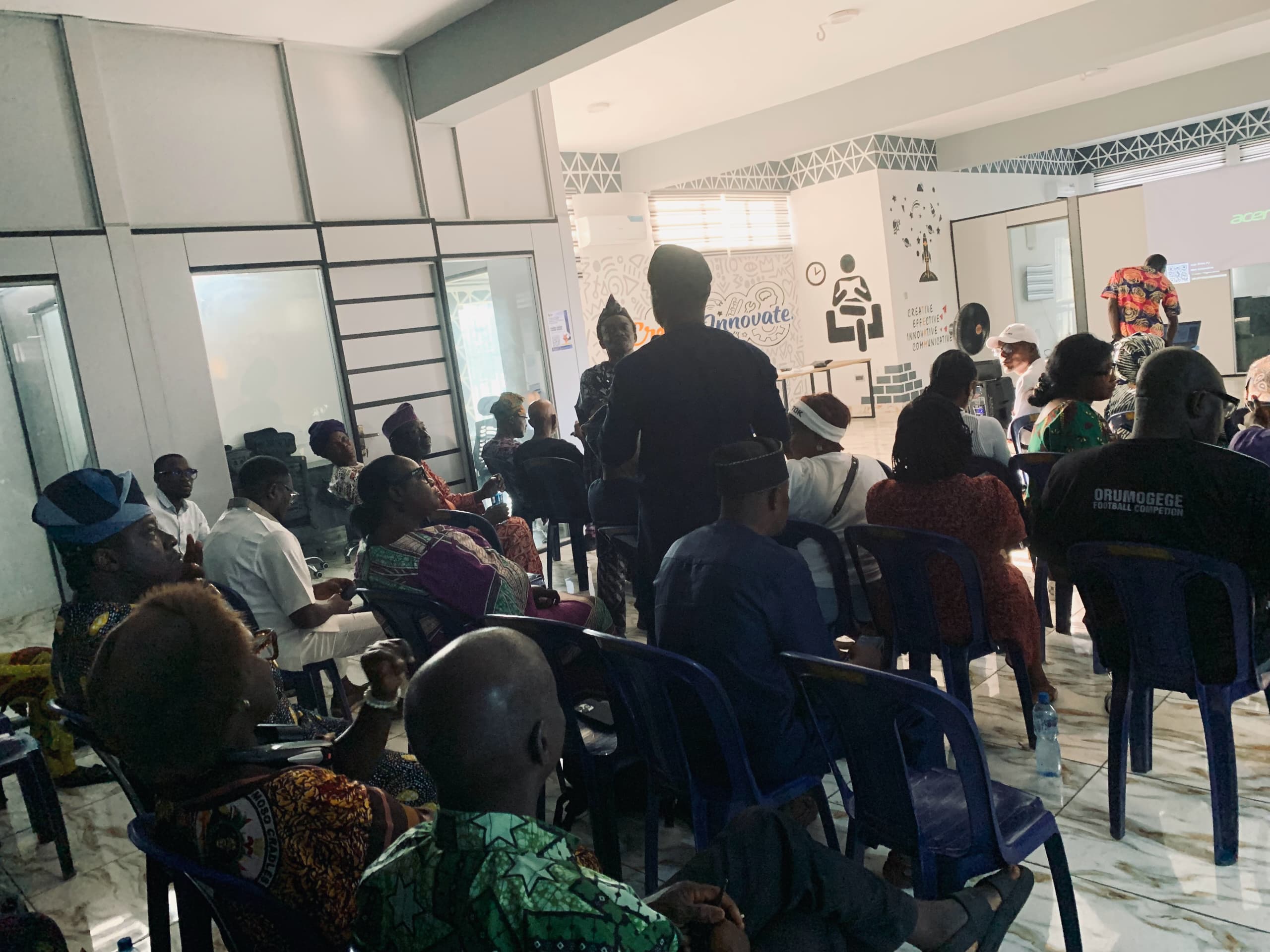
The documentary, titled “A Road From Ògbómọ̀ṣọ́ to Jos,” was premiered on Thursday, September 10, 2026, with the Jos screening taking place at Mee’s Palace Cinema, Rayfield, while the Ogbomoso premiere was held at the Oluseun Onigbinde Resource Centre.
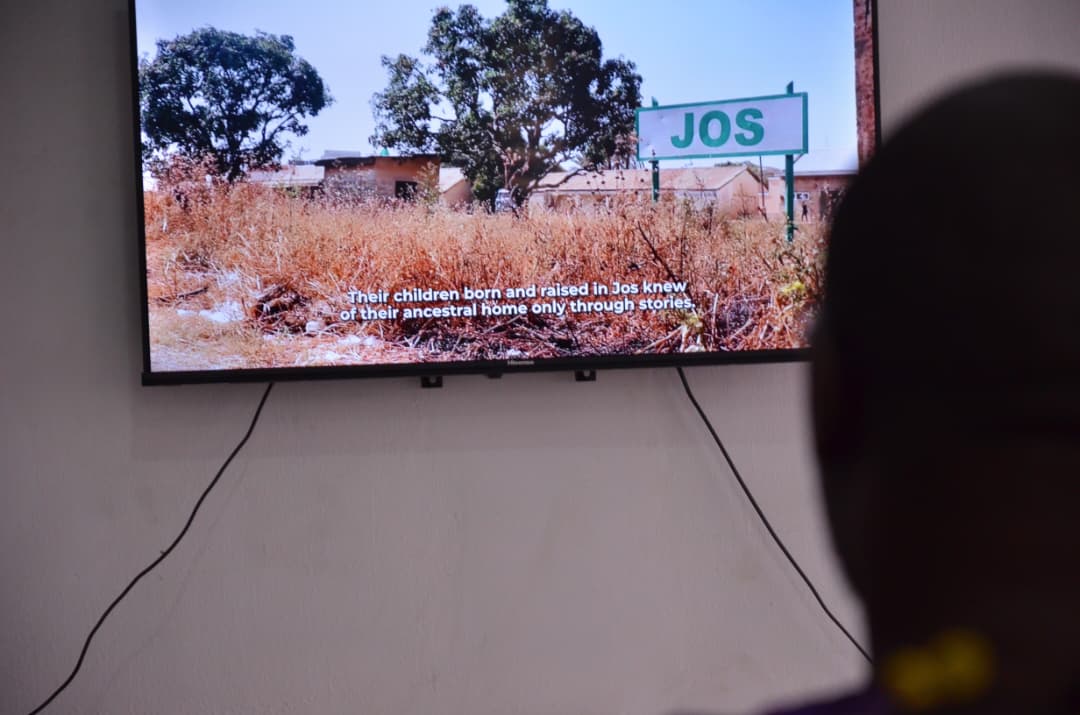
The documentary traces the journey of Ogbomoso people to Northern Nigeria, particularly Jos, beginning from the 19th century, and documents how generations of Ogbomoso traders and settlers established themselves in the city and contributed to its commercial, social and civic development.
Advertisement

Advertisement

The twin premieres attracted Ogbomoso indigenes, Plateau State indigenes, long-time settlers, historians, academics, community leaders and other stakeholders, with attendees at the Jos screening describing the documentary as nostalgic and emotionally moving.
Dignitaries grace Jos premiere
At the Jos screening, held at Mee’s Palace Cinema, the Executive Chairman of Jos North Local Government Area, Hon. Barr. John Khyoroh Christopher, attended the event alongside his wife, Mrs. Lungcit John Khyoroh, the First Lady of Jos North Local Government Area.
Advertisement

Advertisement

Speaking at the event, the Chairman reflected on his childhood experience growing up in Nasarawa-Gwong, an area with a significant population of Ogbomoso people, noting that the community and environment played an important role in shaping his upbringing.
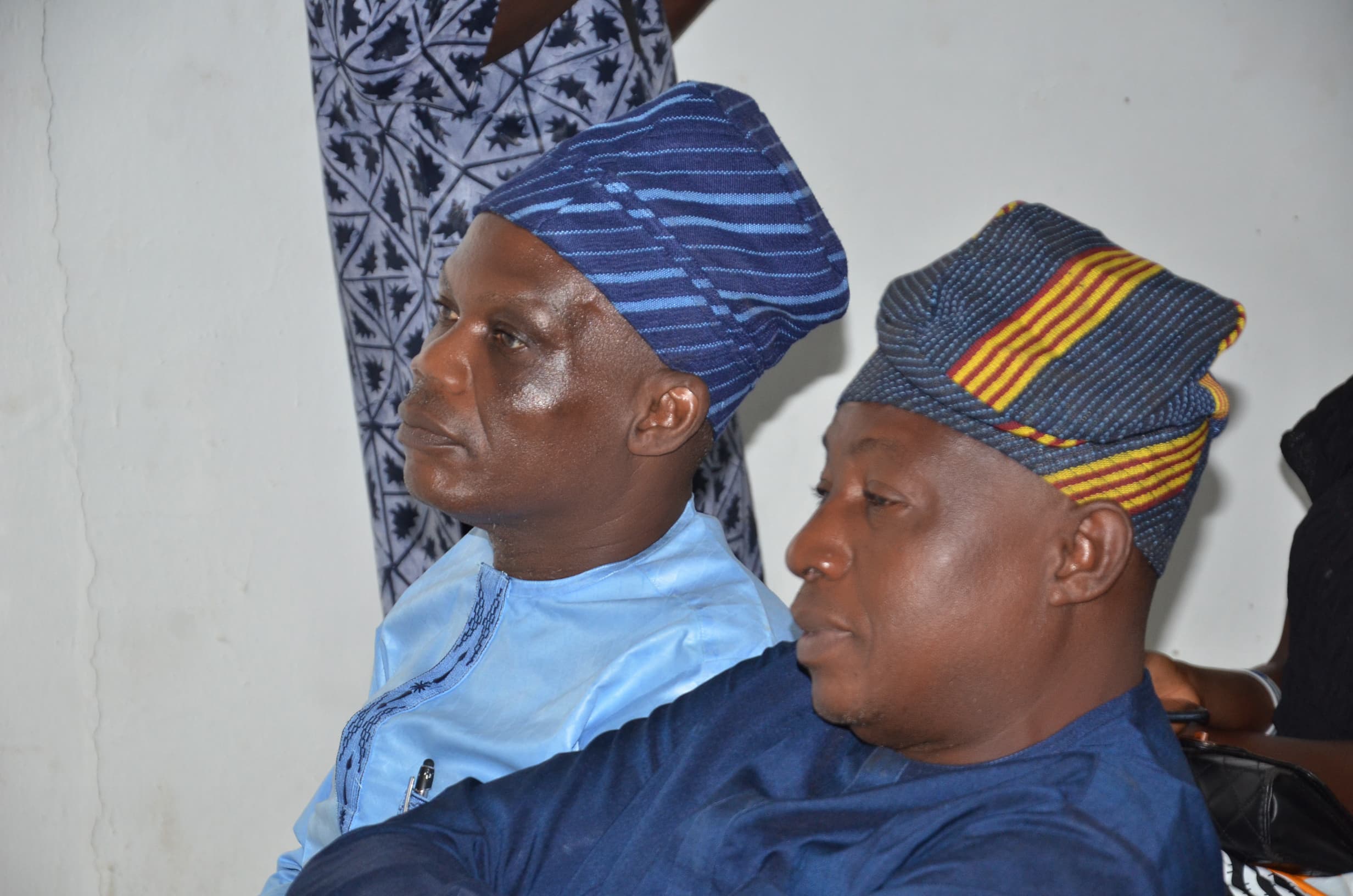
Also present was the King of Yoruba in Jos, Asiwaju Olájídé Ọlágbémiró, who is himself an indigene of Ogbomoso.
The programme was further attended by the Chairman of Ogbomoso Parapo, Jos, Hon. S.A. Aderinto, and the association’s Youth Chairman, Abdulazeez Abdulkareem, who mobilised members of Ogbomoso Parapo to attend the event in large numbers.
Advertisement

Advertisement

The mobilisation included two fully occupied buses conveying members of the association to the venue, in addition to numerous attendees who arrived in private vehicles.
Other dignitaries at the Jos premiere included Pastor Engr. Ben Oketona and his wife, Mrs. Oketona Florence, who anchored the proceedings; Prof. Joshua Sunday of the University of Jos; a representative of First Baptist Church, Adebayo; Group Captain Joshua Ogunbiyi; Barr. Timothy Oyegbile; and Dr. Sam Semako.
Highlander FM Jos also provided media coverage for the event.
Ogbomoso premiere attracts academics, traditional institutions
The Ogbomoso screening equally attracted prominent personalities and representatives of various institutions.
Representing His Imperial Majesty, Oba Ghandi Afolabi Olaoye, Orumogege III, the Soun of Ogbomosoland, was Rev. Olaleye Olawuyi Peter.
Also present was Oba Gbólaguntẹ Ọláòsebìkan, Onífędẹ̀gbó of Fẹ̀dẹ̀gbó, alongside representatives of the Department of Linguistics and Nigerian Languages and the Department of History at the Ladoke Akintola University of Technology (LAUTECH).
Representatives of the Theatre Arts and Motion Pictures Practitioners Association of Nigeria (TAMPAN) from the five local government areas within Ogbomoso Zone were also present.
Advertisement

Advertisement

The event was hosted by the Oluseun Onigbinde Resource Centre, founded by Oluseun David Onigbinde, Chief Executive Officer of BudgIT, together with members of his team.
Other notable personalities at the Ogbomoso screening included Emeritus Professor Omotoye Olorode, Professor Akin Oyetade of SOAS, University of London, Benjamin Onigbinde of Sigvent Property Trust Limited, Ààrẹ Jékáyinfá Àyánwọyè, Soji Abiojela, and Apostle Gabriel Adedayo Idogbe, Lead Pastor of Basileia Ministries International, among others.
Documentary traces Ogbomoso’s journey to Jos
“A Road From Ògbómọ̀ṣọ́ to Jos” was produced by two Ogbomoso sons, Àyánkọ́lá Àyánwuyì of Ilé Onísẹmọ-Onílù, Òkè Ìṣoko, and Johnson Okùnadé of Ilé Arẹ́ṣin, Àgbọ́nyìn.
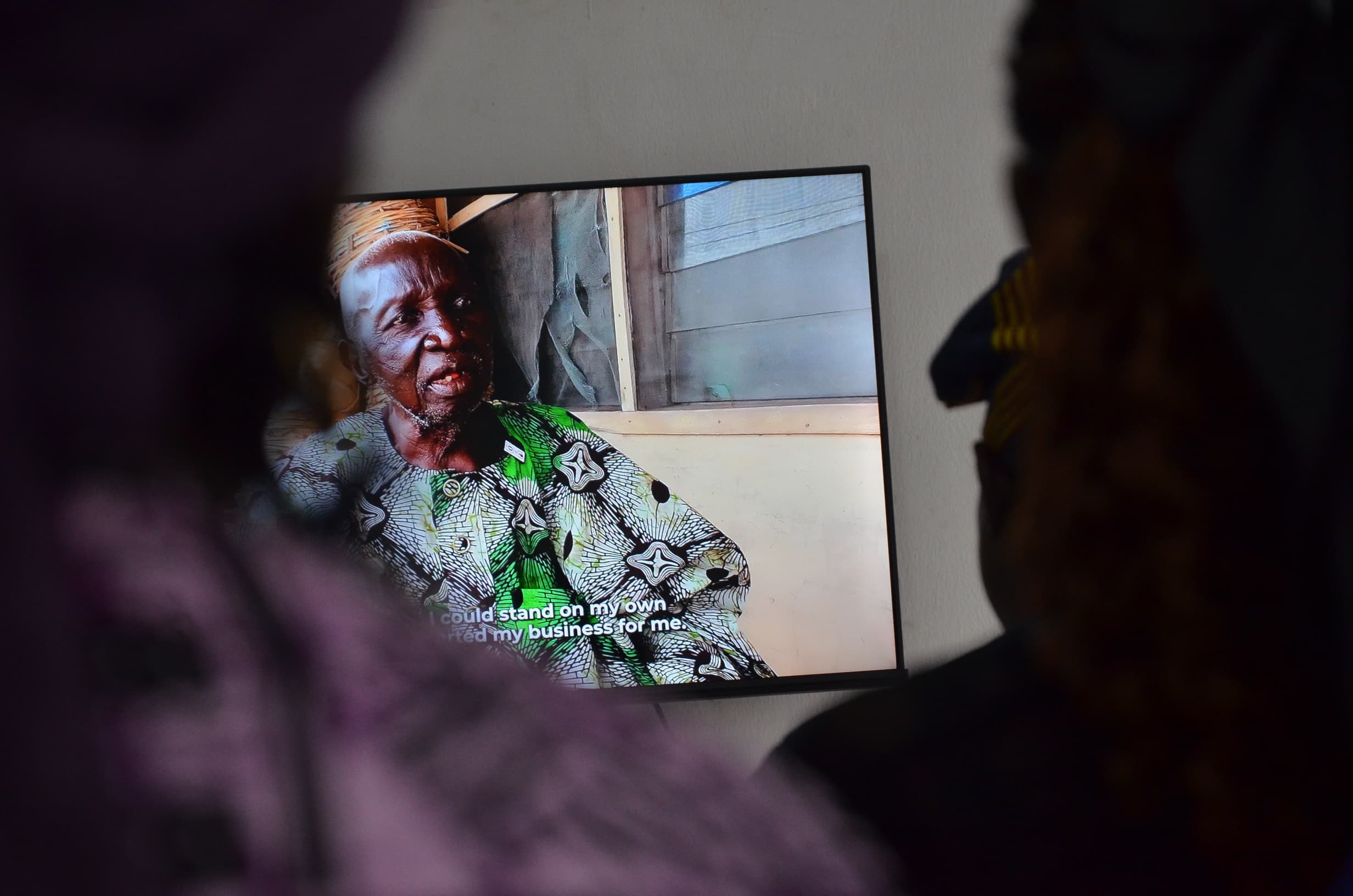
The project, which took more than two years to complete, was built around interviews with Ogbomoso elders, historians, community leaders, Plateau indigenes and returnees, alongside extensive archival research.
The producers were said to have been motivated by a shared desire to preserve and document aspects of Ogbomoso history that have largely existed in oral traditions and family memories.
The documentary is structured around five major themes: The Road (Exodus), To Tin City, Landscape, On the Plateau, and Home (Return).
The first section examines the early movement of Ogbomoso people towards Northern Nigeria in the 19th century, long before modern Jos emerged as the city it is today.
The second explores the discovery of tin in the region in the 1880s and the subsequent development of Jos, including the arrival and establishment of Ogbomoso traders in the growing commercial centre.
The documentary further examines how Ogbomoso traders established commercial networks across the Plateau while largely choosing trading activities rather than mining labour.
It also examines the civic, political and social contributions of Ogbomoso descendants to the development of Jos, as well as the continuing emotional connection between generations of settlers and their ancestral home in Ogbomoso.
Ogbomoso Parapo’s role in community development
One of the important aspects highlighted in the documentary is the role played by Ogbomoso Parapo, Jos, in maintaining unity among Ogbomoso people living away from home.
The association, according to the producers, has for generations served as a unifying institution for Ogbomoso people in Jos, helping to settle disputes, welcome new arrivals and preserve a common identity.
The documentary also reveals how the traditional family-house culture of Ogbomoso was replicated in Jos, with various houses serving as settlements for people whose families originated from particular areas of Ogbomoso.
Among such houses are Ilé Odẹ́fárá, Ilé Ìdòwú, Ilé Mágàjíyá, Ilé Onílù, Ilé Ayétòrò and Ilé Mọfoni, among others.
The documentary portrays the relationship between Ogbomoso settlers and the indigenous population of Plateau State as one largely characterised by peaceful coexistence and mutual development.
A notable example highlighted is the story of a church and mosque located side by side on Adebayo Street, following the peaceful division of a parcel of land donated to the community.
Documentary highlights legacies of Ogbomoso sons
The film also documents the contributions of prominent Ogbomoso personalities who established commercial and social legacies in Jos.
Among those featured are the late Oba Jimoh Oladunni Oyewumi Ajagungbade III, the late Chief David Oyediran Olagbemiro, and the late Pa Moses Akande Onigbinde.
The documentary reveals that the late Soun, Oba Jimoh Oyewumi Ajagungbade III, lived in Jos before ascending the throne of Ogbomosoland.
His hospitality business, Hotel Terminus, is linked to the origin of the name of the famous Terminus area in Jos, today regarded as one of the city’s most popular districts.
Another historical contribution highlighted in the documentary is the origin of Plateau State’s popular description as the “Home of Peace and Tourism.” The appellation was reportedly given by an Ogbomoso man, Mr. Sunday Adewusi, who served as Inspector General of Police.
Producers explain motivation behind documentary
Speaking after the screenings, the producers expressed appreciation to individuals, institutions and community organisations that supported the project and attended the premiere in both cities.
They explained that the documentary was conceived as an attempt to preserve an important chapter of Ogbomoso history that has largely been transmitted through oral accounts and family memories.
The producers said the story of Ogbomoso migration to Jos is only one part of a much larger history of the people’s movement across Nigeria and beyond.
They noted that Ogbomoso people have established communities and second homes in different parts of Nigeria and other countries, including Gombe, Mubi, Kaduna, Kano and Ghana.
According to them, the documentary is therefore intended to serve as the beginning of a wider documentation project that will preserve the stories of Ogbomoso migration, enterprise and settlement in different parts of the world.
The producers also expressed hope that “A Road From Ògbómọ̀ṣọ́ to Jos” will be screened during the 2026 Ogbomoso Cradle Carnival and subsequently presented at international film festivals and cultural events.
The documentary, they said, is ultimately an effort to ensure that future generations have a lasting record of the journeys, sacrifices, achievements and relationships that shaped the lives of Ogbomoso people outside their ancestral homeland.
PHOTOS

















Leave a Reply