
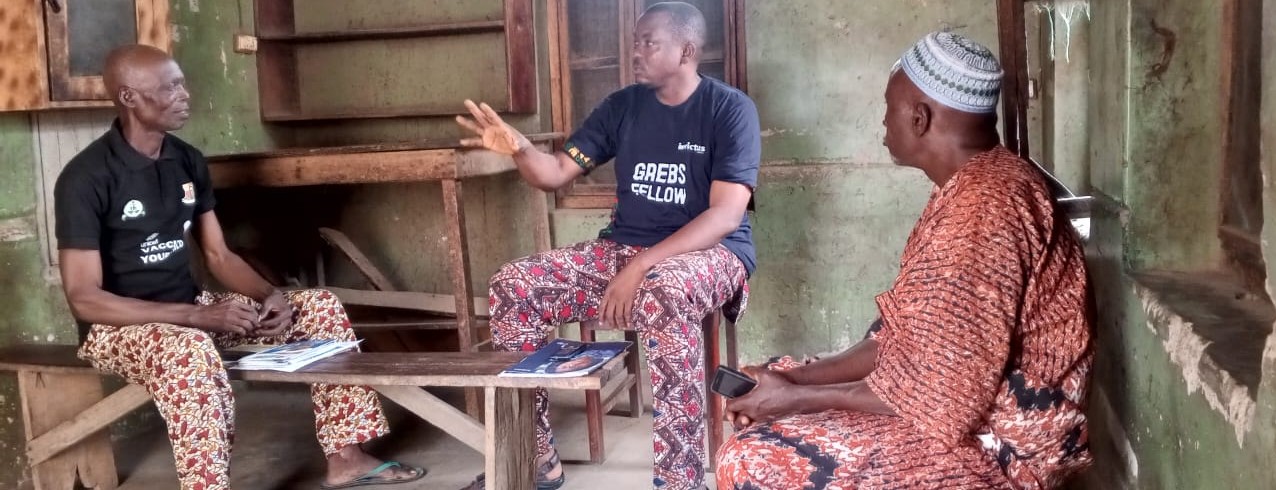
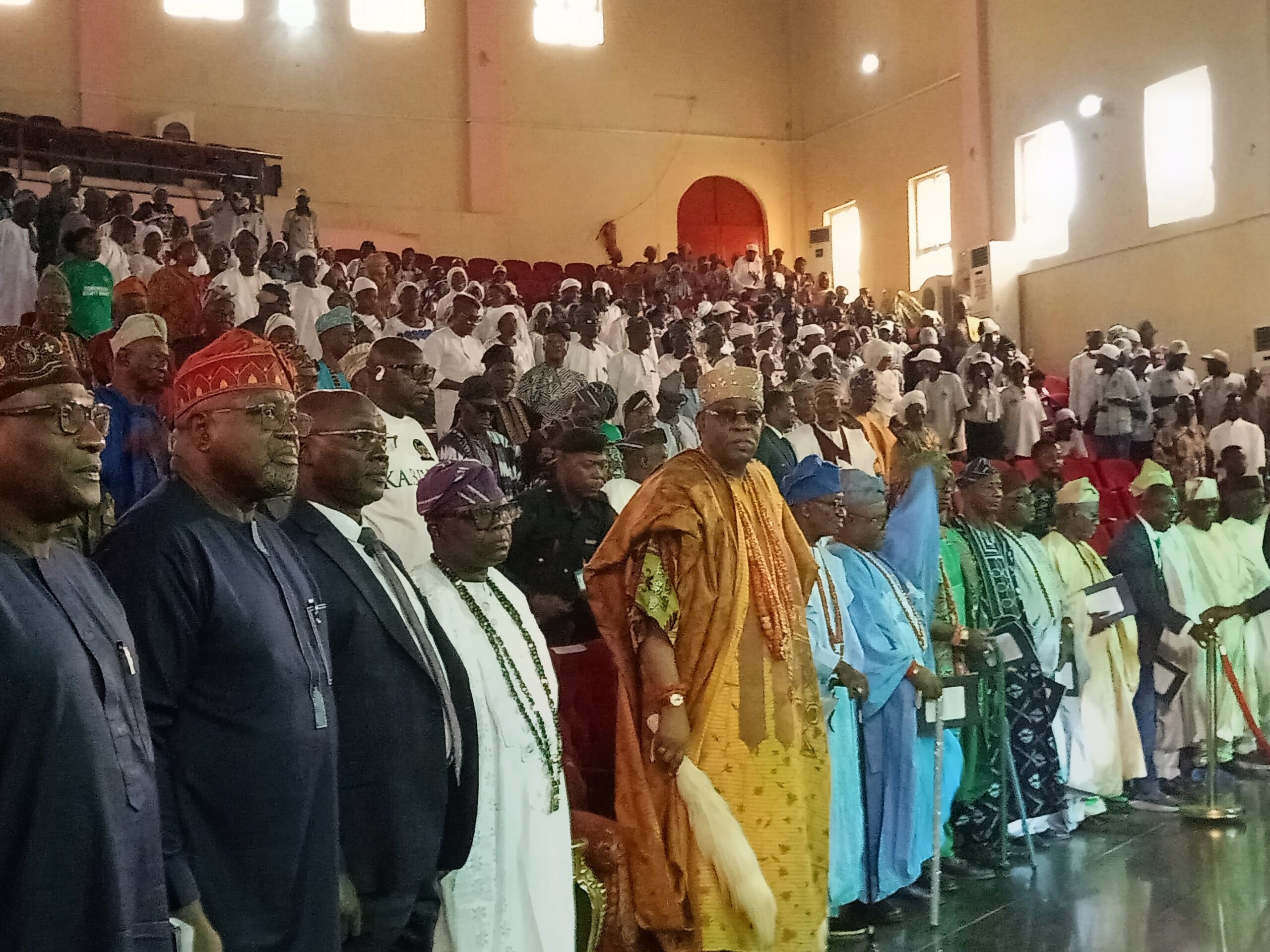
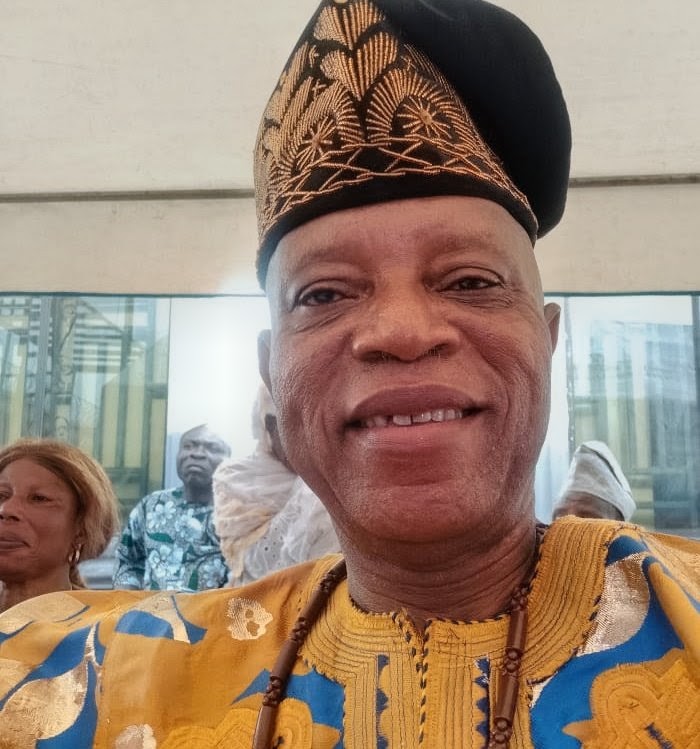
Image caption: Mr. Olubukola Olatunji (middle) engaging stakeholders
Group sensitizes communities on giving access to education based on GREBS’ principle
Khalid ABRAHAM
Advertisement

Advertisement

A group INVICTUS AFRICA with support by Malala Fund has intensified efforts in spreading the message of Gender-Responsive Education Budget and Spending (GREBS) which aims to aid boys and girls’ access to free, safe, quality basic education in Nigeria.
The project sponsored by INVICTUS AFRICA with support by Malala Fund organises advocacy sessions in communities, liaised with media houses and education ministry, for engagement on driving home the concept.
Advertisement

Advertisement

“The Gender-Responsive Education Budget and Spending (GREBS) is a project that advocates for a gender-responsive education budget allocations in Oyo and Gombe states to aid boys and girls’ access to free, safe, quality basic education in Nigeria,” a statement by Mr. Oluwabukola Olatunji, a Fellow of GREBS and CEO of Cedars for Human Welfare Initiative (CEHUWEI) notes.

“The fellowship is an arm of the project through which we aim to solidify our gender-responsive education budget advocacy and sensitization initiative.”
Olutunji disclosed “fellows” have undergone training and have embarked on sensitization programmes for months.
Advertisement

Advertisement

“Fellows have been trained and working as grassroots advocates conducting community-based sensitization activities to promote gender-responsive education budgeting and spending.”
He further disclosed, “Over the last 10 months, Fellows have been working in Oyo and Gombe states, engaging communities and groups. Within Oyo state, across Ogbomoso North, Ogbomoso South, Oriire, Surulere and Ogo Oluwa LGAs, as a Fellow l have personally engaged youth groups, Community Development Associations, religious institutions, PTA, state actors/related MDAs, media and other critical stakeholders about the Concept of GREBS, its importance, expectations from all stakeholders for GREBS to thrive and enforce in the education budget process, how participation in budget process is crucial and the results it gives to the education process.”

Olatunji giving more insight on GREBS, states, “Gender-Responsive Education Budgeting (GREB) is a subset of Gender-Responsive Budgeting (GRB). GREB ensures the application of gender mainstreaming in education budgeting processes and outcomes. It requires that gender-related issues that impede the access of girls and boys to education be considered and addressed through government revenues and expenditures.
“It entails using a gender lens to develop, monitor, and analyse education budget allocation and spending. GREB adopts gender equality principles to ensure equitable access to basic educational services and resources. In 2000, the World Education Forum, which was held in Dakar, adopted the Dakar Framework for Action in order to work towards achieving the Education for All (EFA) goals by 2015.
Advertisement

Advertisement

“The Dakar Framework aims to drive learning opporturiities for children, youth and adults. The Education For All (EFA) goal represents a global commitment towards developing universal, quality and equitable Education systems for all children, youths and adults.”
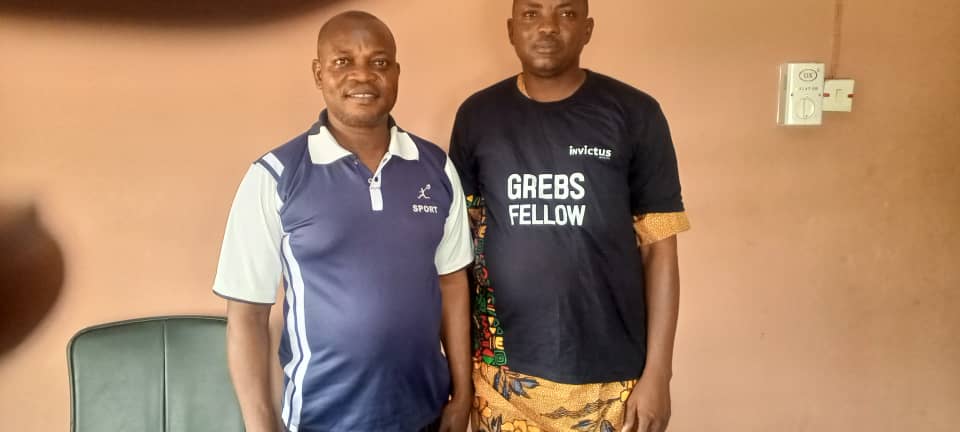
He regretted however that Nigeria is yet to achieve the goals of EFA which should have been achieved since 2015. The goals he unveils include expanding and improving comprehensive early childhood care and education, ensuring that by 2015, all children, particularly girls and disadvantaged children, access free, compulsory and quality primary education, and ensuring that the learning needs of all young people and adults are met through equitable access to appropriate learning and life skills programmes.
Others are achieving an equitable access to basic and continuing education for all adults, and ensuring a 50 per cent improvement in levels of adult literacy, especially for women, elimination of gender disparities in primary and secondary education, and achieving gender equality in education, while ensuring that girls get equal access to quality education, as well as improving all aspects of education quality and ensuring excellence of all, especially in literacy, numeracy and essential life skills.
He charged stakeholders to help ensure the realisation of the EFA goals.

“Although the EFA goals were meant to have been achieved by 2015 by all the UN member nations, Nigeria still falls short of achieving all the goals.”









Leave a Reply