

LAUTECH: ‘Strike only weapon left,’ as ASUU set to declare ‘war’ on FG
Bolaji DAVID
Advertisement

The Academic Staff Union of Universities (ASUU) Ladoke Akintola University of Technology (LAUTECH) Ogbomoso branch has threatened that the union would soon declare “war” on the federal government if its 16-year demand remains unmet.
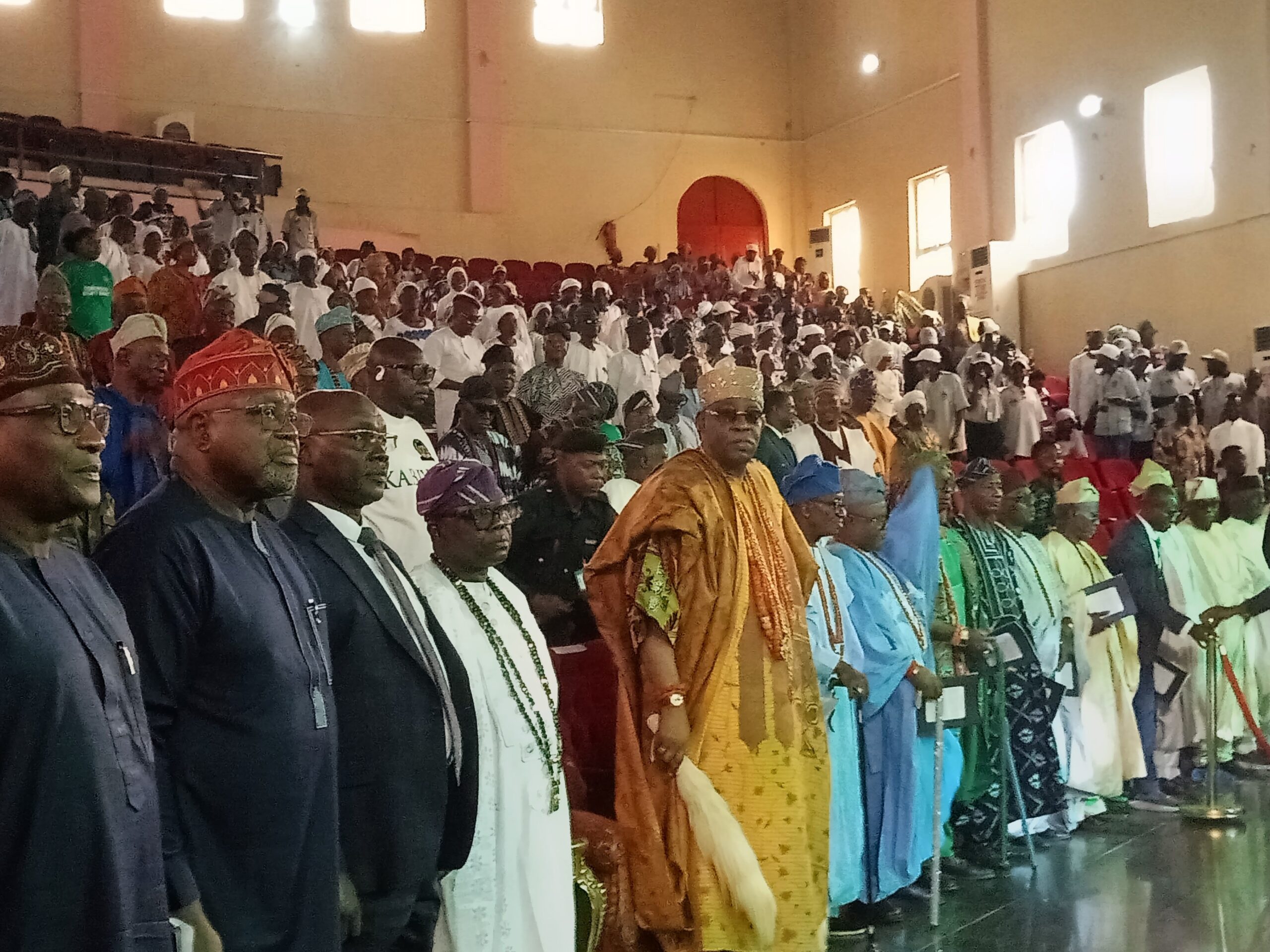
This was disclosed earlier Tuesday during a rally held at the institution.
While addressing the press, Engr. Dr. Olujimi Dada, ASUU chairman LAUTECH, said, in a message titled, “FGN at it again: War looms in Nigeria’s public universities,” the patience of the union is already at its end and asserted that the signs are ominous and unrest would soon break out in public universities over non-readiness of the federal government to meet their demands contained in an agreement reached in 2009.
“ASUU is once again compelled to address the press-and by extension, the nation-regarding the growing signs of industrial unrest within the Nigerian university system. The relative calm experienced in our universities over the past few months is largely due to our union’s hope that the government would, this time, honor its promises and take decisive steps to resolve the long-standing issues that have plagued the system,” Dr Dada stated.
Advertisement

“This looming threat is fueled by the Federal Government’s piecemeal and frustrating handling of unresolved matters affecting the sector.”
Noting LAUTECH particularly often benefits in the long run when the union embarks on industrial action but that the only weapon left to fight government’s intransigence is strike, Dada highlighted some of the issues they are at the loggerheads with the federal government with, which included re-negotiation of the 2009 ASUU-FGN Agreement, sustainable funding/revitalization of universities, university autonomy, victimization of ASUU members in some branches like Lagos State University (LASU), Kogi State University (KSU), and Federal University of Technology (FUTO), outstanding 25-35% salary areas and third-party deductions, promotion arrears for over 4 years, and non-payment and mainstreaming of Earned Academic Allowance in Public Universities.
Related Post:
- ‘Avert looming strike,’ ASUU pleads as LAUTECH branch holds rally
- STRIKE: ASUU LAUTECH to meet stakeholders for sensitization today
The ASUU chairman lamented that “salaries have remained virtually stagnant for the past sixteen (16) years, despite the clear understanding that the 2009 renegotiated agreement would be reviewed every three (3) years,” noting that despite several negotiations with ASUU by various committees set up by government, the demand remains unmet as “Government has refused to sign the resulting draft.”
Dada therefore warned that if a meeting scheduled for August 28 could not resolve the festering matter ASUU members are “no longer willing to be dragged along endlessly, without tangible outcomes. As we have seen before, even a goat, when pushed to the wall, will eventually react.”
Advertisement

He also bemoaned the underfunding plaguing Nigerian universities saying the federal government has refused to abide by the UNESCO recommendation of 15 – 26 % budget allocation to education instead allocating 7% and as such threatened that if there is no commitment to this the union would declare strike.
He also hammered on victimisation of members in some branches over trumped up charges which involved “victimization of leadership of the union, challenging the illegal appointment to the rank of a Professor, illegal withholding of salaries of members for participating in the national struggles of ASUU etc.”
Furthermore, ASUU frowned at the withholding of autonomy to universities evident in flagrant dissolution of governing councils, appointment of Vice Chancellors and other principal officers without regards for established laws, imposition of acting VCs, erosion of authority of the Senate and so on.
He as well emphasized prompt payment of the three and a half months salaries withheld since 2022 as a result of industrial action and the outstanding 25-35% wage award and third party deductions. On the latter it states, “Instead of implementing the Nimi Briggs Agreement in 2024, Federal Government awarded a provocative 25-35% pay rise to members of staff in public universities in flagrant violation of the Principle of Collective Bargaining (PCB). However, the same Federal Government that announced this award is still foot dragging and yet to pay its workers the arrears. The federal government through IPPIS and many universities have become notorious in deducting cooperative and union dues, pension funds and other third-party deductions from the salaries of their workers without remitting the money promptly. The amounts so deducted are suspiciously kept in special accounts while the accrued interests are cornered into private pockets, this criminal act violates the 2014 Pension Act which stipulates specific period when third-party deductions must be remitted accordingly. ASUU calls for thorough investigation into the unpatriotic act.”
This as he lamented the practice of promotion without corresponding increase in salaries, informing 4 years arrears are currently owed them. “In many federal and state universities, academics are promoted without receiving the corresponding financial arrears, a situation that has persisted for up to five years in some institutions,” stressing this is fuelling “brain drain, as highly qualified lecturers increasingly seek better opportunities in more supportive environments abroad.”
On non-payment and mainstreaming of Earned Academic Allowance in Public Universities, he maintained also the federal government has reneged on its promise, urging the public to prevail on government to “accede to all our demands to avert another disruption of academic calendars in our universities.”
Advertisement

Dada when asked by newsmen if LAUTECH could afford another round of strike emphasized however that “most of LAUTECH’s progress is tied to ASUU’s struggles. If ASUU fights, LAUTECH benefits. So the message is strike may hurt in the short-term, but long-term, the university gains, this justifies it.”
Though admitting ”dialogue, consultation, lobbying, and political moves are alternatives to strike,” he said, “we have tried them and failed. So, strike remains the only effective weapon left.”
Quizzed on what compromise ASUU was willing to make, he maintained only government now holds the aces, “It’s the government that sets up committees, we’re just asking them to be accountable. We admit compromises do happen during negotiations, but it sounded unplanned/forced rather than deliberate.”
Advertisement

He insisted if government refuses to hearken to them there would be ”consequences,” while reiterating “Our demands must be responded to immediately to avert disruption in academic activities. “Now, now, now. That is what can avert the looming strike. We have not declared but we are only giving a signal.”
Placards with various inscriptions were carried as they marched through the school premises to convey their message more vividly to government.


The text of the address in full:
ACADEMIC STAFF UNION OF UNIVERSITIES
LAUTECH BRANCH
PRESS CONFERENCE
FGN AT IT AGAIN: WAR LOOMS IN NIGERIA’S PUBLIC UNIVERSITIES
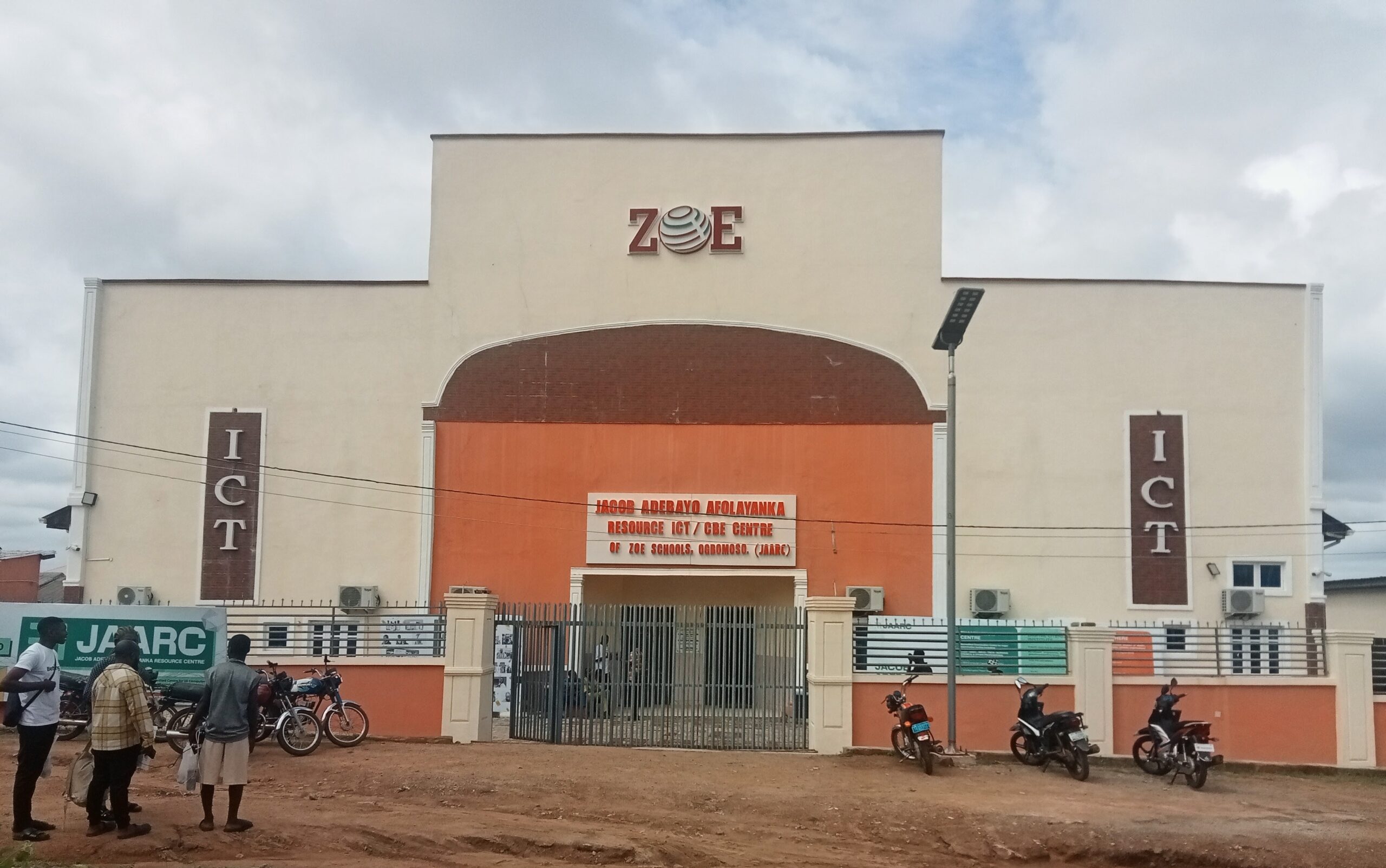
Text of Press conference of the LAUTECH Branch of the Academic Staff Union of Universities on Tuesday 26th August, 2025 addressed by the Chairperson, Engr. Olujimi Dada Ph D, at the 250-Seater Lecture Theatre, LAUTECH, Ogbomoso.
Comrades,
Compatriots,
Gentlemen of the Press,
Ladies and Gentlemen,
Introduction,
The Academic Staff Union of Universities (ASUU), is once again compelled to address the press-and by extension, the nation-regarding the growing signs of industrial unrest within the Nigerian university system. The relative calm experienced in our universities over the past few months is largely due to our union’s hope that the government would, this time, honor its promises and take decisive steps to resolve the long-standing issues that have plagued the system.
The LAUTECH Branch of ASUU, in particular, is drawing the attention of Nigerians once again to the urgent need to prevent another avoidable round of industrial crisis in public universities. This looming threat is fueled by the Federal Government’s piecemeal and frustrating handling of unresolved matters affecting the sector. While these issues have been thoroughly documented in our numerous press statements over the years, for the purpose of this engagement, we will revisit some of them here with necessary updates. To reiterate, the issues listed below are some of the outstanding ones which ASUU continues to urge the Federal Government to address:
1. Re-negotiation of the 2009 ASUU-FGN Agreement
2. Sustainable funding/Revitalization of universities
3. University Autonomy
4. Victimization of our members in LASU, KSU, and FUTO
5. Outstanding 25-35% salary areas and Third-Party Deductions
6. Promotion Arrears for over 4 years
7. Non payment and mainstreaming of Earned Academic Allowance in Public Universities
Renegotiation of the 2009 FGN/ASUU Agreement
It is public knowledge that our salaries have remained virtually stagnant for the past sixteen (16) years, despite the clear understanding that the 2009 renegotiated agreement would be reviewed every three (3) years.
Unfortunately, it took the government a staggering eight (8) years-until 2017-to even constitute renegotiation committees for this purpose. Since then, successive committees, including the Wale Babalakin-led Joint Renegotiation Committee, the Professor Munzali Jubril-led Committee, and later the Late Emeritus Professor Nimi Briggs-led Committee, have been set up to engage ASUU. The outcome of these engagements was a draft agreement reached in 2021 between ASUU and the Nimi Briggs-led Committee. However, despite the fact that this committee was appointed by the government itself, Government has refused to sign the resulting draft.
In the spirit of constructive engagement, ASUU gave the current administration led by President Bola Ahmed Tinubu ample time to address the persistent challenges facing public universities, but to our dismay, no concrete effort has been made to resolve these issues. This continued inaction has further pauperized Nigerian academics in comparison to their global counterparts. It is important to stress that ASUU has not forgotten that all these renegotiation efforts-initiated by the Federal Government itself-have led nowhere, as the resulting draft agreements were never implemented. A true test of the government’s sincerity now lies in how it handles the Alh. Yayale Ahmed Report, submitted since February 2025, which encapsulates all contentious issues and reflects a consensus with our union. Our members are increasingly frustrated with the government’s delay tactics-the so-called ‘keep them talking’ syndrome. The union is well aware of the planned meeting scheduled for August 28, 2025, but the prevailing sentiment among our members is clear: they are no longer willing to be dragged along endlessly, without tangible outcomes. As we have seen before, even a goat, when pushed to the wall, will eventually react.
Sustainable funding/Revitalization of universities
The current state of our university system urgently demands attention due to years of persistent neglect and visible decline that have nearly brought the sector to its knees. While other countries steadily advance by allocating the UNESCO-recommended 15-26% of their national budgets to education, Nigeria continues to fall short-barely reaching 7% in the 2025 budget. This underfunding has severely affected the quality of education, limiting access, resources, and the ability of our institutions to compete on a global scale. Notably, Nigeria lags behind nations like Kenya and Ghana, which allocate 20% and 13%, respectively.
The government’s long-standing promise of a N150 billion investment in the sector has remained unfulfilled-another broken commitment. Our universities are now plagued by chronic underfunding: laboratories are empty, workshops are in ruins and scholars are deprived of the tools and resources needed to conduct cutting-edge research. Alarmingly, no Nigerian public university ranks among the top 1000 globally. The physical decay of lecture rooms and the deplorable state of student accommodations further underscore the crisis.
Our union’s demands are clear: there must be a deliberate and purposeful commitment to adequate funding in order to rescue our institutions from impending collapse.
Victimization of our members in LASU, KSU, and FUTO
For the umpteenth time, the LAUTECH Branch of ASUU frowns at the inhuman treatment being meted out to our members in Lagos State University (LASU), Ojoo: Kogi State University (KSU), Anyingba; and
Federal University of Technology, Owerri (FUTO) among others. The trump up charges against them include victimization of leadership of the union in the branches, challenging the illegal appointment to the rank of a Professor, illegal withholding of salaries of members for participating in the national struggles of ASUU, etc.
University Autonomy
The persistent erosion of university autonomy by the government continues with alarming impunity. ASUU has strongly opposed the unlawful dissolution of Governing Councils in public universities, even in instances where no misconduct has been reported and the councils have not completed their statutory tenure. Instead of addressing these concerns, the Tinubu-led administration hastily reconstituted the councils, further deepening the crisis by appointing political allies, supporters, and godfathers as members and Pro-chancellors of most of the new councils.
Equally troubling is the Federal Government’s blatant disregard for legal provisions guiding the appointment of Vice-Chancellors and other principal officers. This disregard extends to the erosion of university Senates’ authority to determine academic curricula, as the NUC’s Core Curriculum and Minimum Academic Standards (CCMAS) now impose a centralized framework on all universities. Additionally, the imposition of Acting Vice-Chancellors in certain institutions-contrary to extant university procedures-further exemplifies the ongoing assault on university autonomy.
The 3 months withheld Salaries
As a result of the punitive ‘No Work, No Pay’ policy enforced by the previous administration, our members’ salaries were withheld during the 2022 strike. Since the conclusion of that industrial action, our members have diligently made up for lost academic time without taking any holidays. However, despite paying a portion of the withheld wages, the government still owes our members three and a half months’ salaries. In the interest of justice and industrial harmony, we urge the government to promptly clear these outstanding payments, which would provide much-needed financial relief to our members.
Outstanding 25-35% Wage Award and Third Party Deductions
Instead of implementing the Nimi Briggs Agreement in 2024, Federal Government awarded a provocative 25-35% pay rise to members of staff in public universities in flagrant violation of the Principle of Collective Bargaining (PCB). However, the same Federal Government that announced this award is still foot dragging and yet to pay its workers the arrears. The Federal government through IPPIS and many universities have become notorious in deducting cooperative and union dues, pension funds and other third-party deductions from the salaries of their workers without remitting the money promptly. The amounts so deducted are suspiciously kept in special accounts while the accrued interests are cornered into private pockets, this criminal act violates the 2014 Pension Act which stipulates specific period when third-party deductions must be remitted accordingly. ASUU calls for thorough investigation into the unpatriotic act.
Promotion Arrears for over 4 years
The fraudulent IPPIS, which ASUU consistently and vehemently rejected, was eventually outlawed in public universities for being a gross violation of the University Miscellaneous Act, also known as the University Autonomy Law. However, the damage caused by its implementation continues to linger.
One major issue is the non-payment of promotion arrears owed to ASUU members. In many federal and state universities, academics are promoted without receiving the corresponding financial arrears, a situation that has persisted for up to five years in some institutions. Despite ASUU submitting the list of affected members to the Office of the Accountant-General of the Federation (OAGF) in line with the government’s directive, the Federal Government has failed to act. This inaction by the OAGF, has severely undermined morale within the academic community. This delay in paying deserved promotion benefits reflects a pattern of oppressive neglect and administrative high-handedness that amounts to punishing lecturers for no fault of theirs. Considering the significant personal and financial investments academics make in research and publications, the denial of promotion arrears contributes directly to the brain drain, as highly qualified lecturers increasingly seek better opportunities in more supportive environments abroad.
Non-payment and mainstreaming of Earned Academic Allowance in Public Universities
The 2009 FGN/ASUU Agreement clearly stipulated that the Federal Government would fund the Earned Academic Allowance (EAA). This commitment was reaffirmed in the December 2020 Memorandum of Action (MoA), which emphasized the integration of EAA into the monthly salaries of academic staff, with the next tranche scheduled for disbursement in 2021. Subsequently, ASUU and the Federal Government agreed on a total payment of Fifty Billion Naira (N50 billion) to offset outstanding EAA obligations.
Earlier this year, the Federal Government released the N50 billion. However, contrary to the agreement that the funds were exclusively for academic staff, the amount was distributed among all university staff. This resulted in a shortfall, with N10 billion still owed to academic staff. Furthermore, the mainstreaming of EAA-originally slated to commence in 2022-has yet to be implemented in federal and most state universities, rendering the commitment unfulfilled.
Concluding remarks
This press conference with the accompanying protest is aimed at drawing the attention of the nation to a looming crisis in our universities system. The general public is once again invited to prevail on the government to accede to all our demands to avert another disruption of academic calendars in our universities.
Thank you.
Engr Olujimi Dada PhD
Chairperson













Leave a Reply