

Oyo Majority Leader seeks urgent intervention in Ogbomoso schools ravaged by rainstorms, calls for support for farmers
Yinka ADETUNJI
Advertisement

Advertisement

The Majority Leader of the Oyo State House of Assembly, Hon. Sanjo Adedoyin, has called for urgent executive intervention to address the devastating damage inflicted on several public secondary schools in Ogbomoso and its environs by a recent rainstorm.
This is as he called for support for farmers as new planting season begins.
Moving a motion of urgent public importance on the floor of the House on Wednesday, the lawmaker representing Ogbomoso South state constituency described education as a fundamental right and a central tool for human capital development that must not be compromised under any circumstance.
He stressed that safe and well-equipped schools are a prerequisite for a conducive learning environment that supports students’ psychosocial and academic growth.
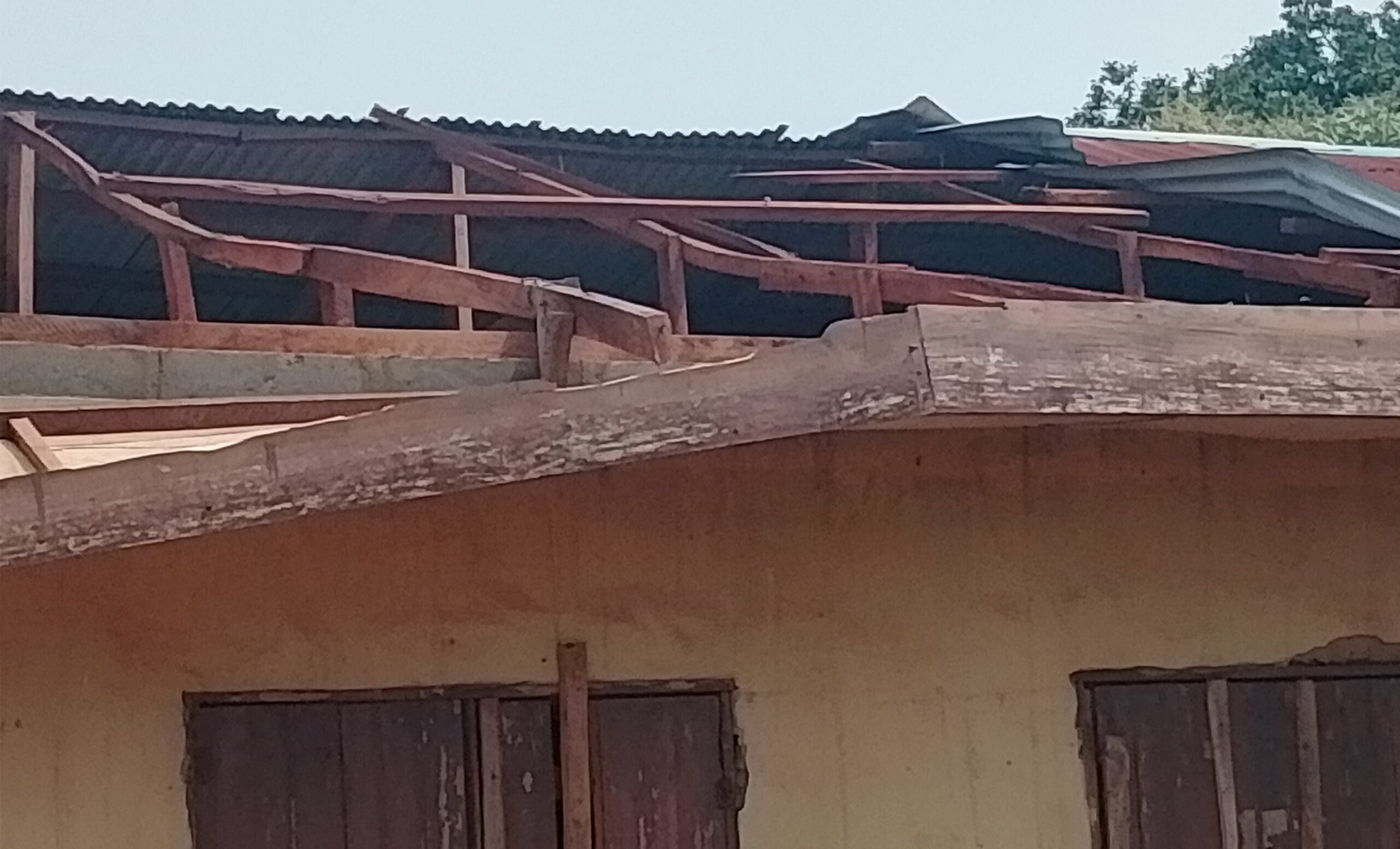
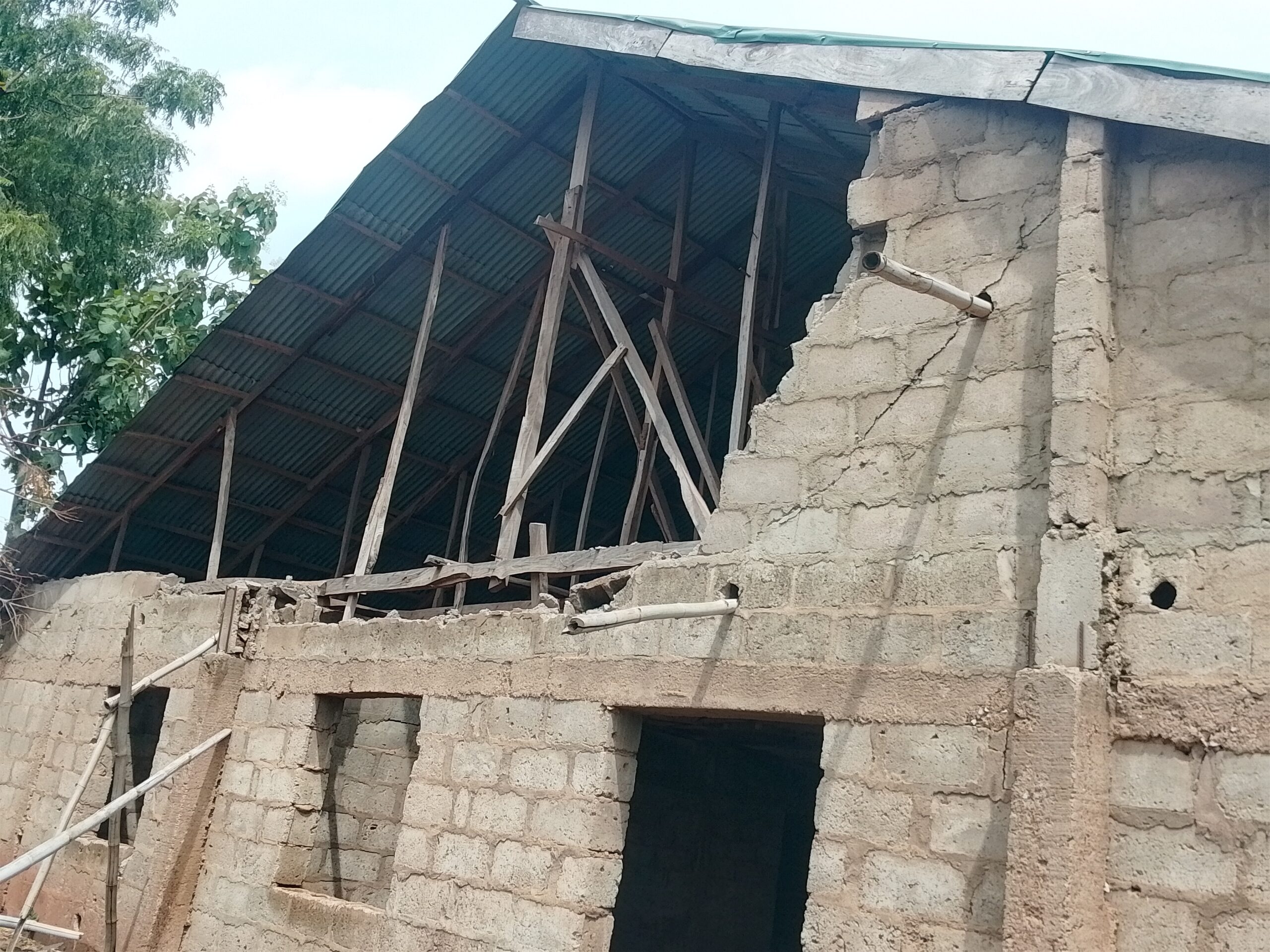
Hon. Adedoyin said severe damage was inflicted on public secondary schools across Ogbomoso metropolis and its environs by the rainstorm of Tuesday, April 7, 2026.
According to him, the evening downpour wreaked havoc across Ogbomoso North, Ogbomoso South, Oriire and Ogo-Oluwa local government areas, leaving several schools with blown-off roofs, collapsed classroom walls, damaged ceilings, destroyed food vendors’ sheds, and broken electric poles.
The affected schools include Baptist Secondary Grammar School, Ahoyaya, Methodist Secondary Grammar School, Ogbomoso Grammar School 1 & 2, Emmanuel Agboola Baptist Grammar School, Laogun Adeoye Memorial High School, Muslim Comprehensive High School, Molete Community High School, Muslim Grammar School, Baptist Grammar School, Sunsun, Baptist Comprehensive High School, Muslim Grammar School, Ogbomoso Baptist High School, Community High School Ajaawa, Shamsudeen Grammar School, Owolaake, Community High School Aroje/Abaa, Government Technical College, Millennium Model Secondary High School among others.
He warned that the destruction poses serious safety risks to students upon resumption.
He said: “In many of the affected schools, academic activities will be abruptly halted, leaving students stranded and disrupting the educational calendar.
Advertisement

Advertisement

“The implication is prolonged interruption in learning, which may affect academic performance and overall development. Teachers will also be unable to carry out their duties effectively due to the damaged infrastructure.”
Early assessments, he added, indicate significant structural damage, exposed electrical wiring, and loss of textbooks, desks, and ICT equipment. If adequate measures are not put in place for remodelling and rehabilitation before resumption, academic activities will be severely affected.
He further stated: “Preliminary findings revealed that the examination hall of Emmanuel Agboola Baptist Grammar School has partly collapsed. Molete Community High School, Molete Comprehensive High School and Government Technical College, Ogbomoso were seriously affected, and these damages would automatically deprive students of those schools and hinder their learning activities.
He disclosed that the computer room at Government Technical College was completely destroyed.
Citing the Nigerian Meteorological Agency’s forecast of heavy downpours this year, Adedoyin urged government to prepare for emergency situations to forestall the unbearable consequences of natural disasters.
He called on the State Emergency Management Agency (SEMA) to be proactive and put necessary emergency response mechanisms in place.
“Further observes that schools seriously damaged by the rainstorm need urgent government attention without delay, as schools are preparing for resumption on April 27, 2026. The fact remains that delay in rehabilitating the affected schools may be dangerous, in view of the importance of essential school infrastructure to teaching and learning which has been severely damaged,” he stated.
After deliberation, the House urged the Executive Arm of Government, through the Ministry of Education, Science and Technology and the State Emergency Management Agency, to among others conduct an immediate and comprehensive assessment of all schools affected to ascertain the level of damage and undertake a needs assessment for urgent intervention, commence urgent rehabilitation and repair of damaged infrastructure, and prioritize the reconstruction of collapsed classroom walls, blown-off roofs, and damaged ceilings as emergency projects before the April 27, 2026 resumption date, provide temporary learning shelters/facilities to ensure displaced students can resume academic activities without hindrance; provide relief materials, including books, furniture and other learning aids, to support the affected schools; encourage collaboration with philanthropists, community leaders, NGOs, alumni associations and development partners to mobilize additional resources for recovery efforts.
Advertisement

Advertisement

American Open University
The House also urged the Executive, through the Ministry of Public Works and Transport, to deploy technical personnel to assess and certify the structural integrity of all affected school buildings before students are allowed to resume.
Finally, the House Committee on Basic and Secondary Education was directed to liaise with the Ministry of Education, Science and Technology to conduct an on-the-spot assessment of all affected schools in Ogbomoso and monitor rehabilitation progress before the new term begins.
Calling for support for farmers ahead of the next planting season he said this is imperative to ensure food security in Oyo state.
The lawmaker representing Oyo state noted that agriculture is the foundation of human existence, essential for survival, economic stability, and environmental health.
Moving a motion Wednesday on the need for the executive arm of government to provide additional support for farmers in preparation for the rainy season, Adedoyin stated that agriculture provides the daily food supply to combat hunger, ensures raw materials for industries, and remains a major employer of labour that drives rural development and environmental sustainability.
He added that agriculture is the backbone of the economic system and its contribution to Gross Domestic Product (GDP) growth cannot be overemphasized.
Advertisement

He noted that Sustainable Development Goal 2 (SDG 2), which seeks to end hunger, achieve food security and improved nutrition, and promote sustainable agriculture, recognizes the importance of supporting sustainable agriculture by empowering smallholder farmers, ending rural poverty, ensuring healthy lifestyles, and tackling climate change. These align with the 17 SDGs in the 2030 Agenda for Sustainable Development, which is crucial as the world population grows.
The Agenda, according to him, is aimed at increasing sustainable agricultural production, improving the food supply chain, and ensuring everyone has access to food through improved yields via sustainable agricultural techniques, better water irrigation and storage technologies, and easy access to agricultural funds that can contribute to improved food security globally.
Stressing that Oyo state, under the visionary leadership of Governor Seyi Makinde, has consistently recorded landmark achievements in agriculture through strategic programmes and initiatives to boost food security, empower farmers, and modernize the agricultural sector, the lawmaker cited the 50% tractorisation subsidy programme that benefited about 6,103 farmers in 2025 by reducing the burden of mechanized farming costs and making modern farming practices more accessible to local farmers.
He added that over one thousand (1,000) fish farmers received three thousand (3,000) bags of 15kg fish feed three bags each, free of charge to boost fish production in the state.
He further noted that the empowerment of farmers with farm inputs such as cassava stems, hybrid premier maize seed, knapsack sprayers, herbicides and maize grain; the recruitment of 161 new Agricultural Extension Officers; the construction of about 68km of rural roads under the Rural Access and Agricultural Marketing Project (RAAMP) supported by the World Bank and Agence Française de Développement (AFD); and the provision of agricultural credit through the Agricultural Credit Corporation of Oyo State (ACCOS) are efforts geared towards achieving food security and positioning agriculture as a driver of economic growth.
According to the lawmaker, considering the importance of agriculture in ensuring food security and economic growth, farmers still need subsidized quality seedlings, pest management support, fertilizers, accessible credit facilities, effective and efficient technical extension services, and market access through off-taker programmes to ensure high yields and profitability in the coming growing season.
He said: “Observes that for the impending planting season, there is need for timely preparation to support farmers and boost food production this rainy season. Agricultural cultivation requires adequate preparation by government to provide subsidised fertilizers, quality certified disease-resistant seedlings, enhanced extension services for farmers’ training, and offer agricultural loans and grants to real farmers as palliatives and as encouragement for people to return to farming.
“Concerned that government interventions and programmes need to be put in place for farmers to promote sustainable agriculture practices, reduce post-harvest losses and increase food production, promote sustainable soil management, expand agroforestry — which would help mitigate the impact of climate change — and strengthen crop breeding, seed production and commercial seed expansion.”
The House therefore resolved that the Ministry of Agriculture and Rural Development, and the Oyo State Agribusiness Development Agency (OYSADA), should organize training for local farmers through agricultural extension services on best practices, climate-smart techniques, improved seeds, fertilizers and technologies to improve yields and reduce post-harvest losses; and collaborate with the Federal Ministry of Agriculture on the National Agricultural Growth Scheme – Agro-Pocket (NAGS-AP) and the Special Agro-Industrial Processing Zones (SAPZ) to boost agricultural output and reduce post-harvest losses.
The House also urged the Ministry of Agriculture and Rural Development and the Tree Crops Unit to: provide high-quality seedlings and subsidized fertilizers to farmers and create market access through off-taker programmes; provide training on pest management and facilitate market access through off-taker programmes.
Furthermore, the House called on the Agricultural Credit Corporation of Oyo State (ACCOS) to: extend loan access to more smallholder farmers, reduce processing time, and create group lending initiatives through cooperatives to ease access to loans; introduce single-digit interest agricultural loans with moratoriums aligned to crop gestation periods for beneficiaries of the next planting season; collaborate with the Ministry of Trade, Industry, Investment and Cooperatives to register and strengthen farmers’ cooperative societies as channels for lending initiatives; establish a State Farm Input Monitoring Committee comprising representatives of farmers’ associations, OYSADA, and ACCOS to ensure timely and transparent distribution of subsidized inputs before planting season commences, among others.















Leave a Reply