

‘Harness African resources for transformation’ – Ori Africa CEO Olaleye, as Oyo commissioner advocates cultural renaissance in schools
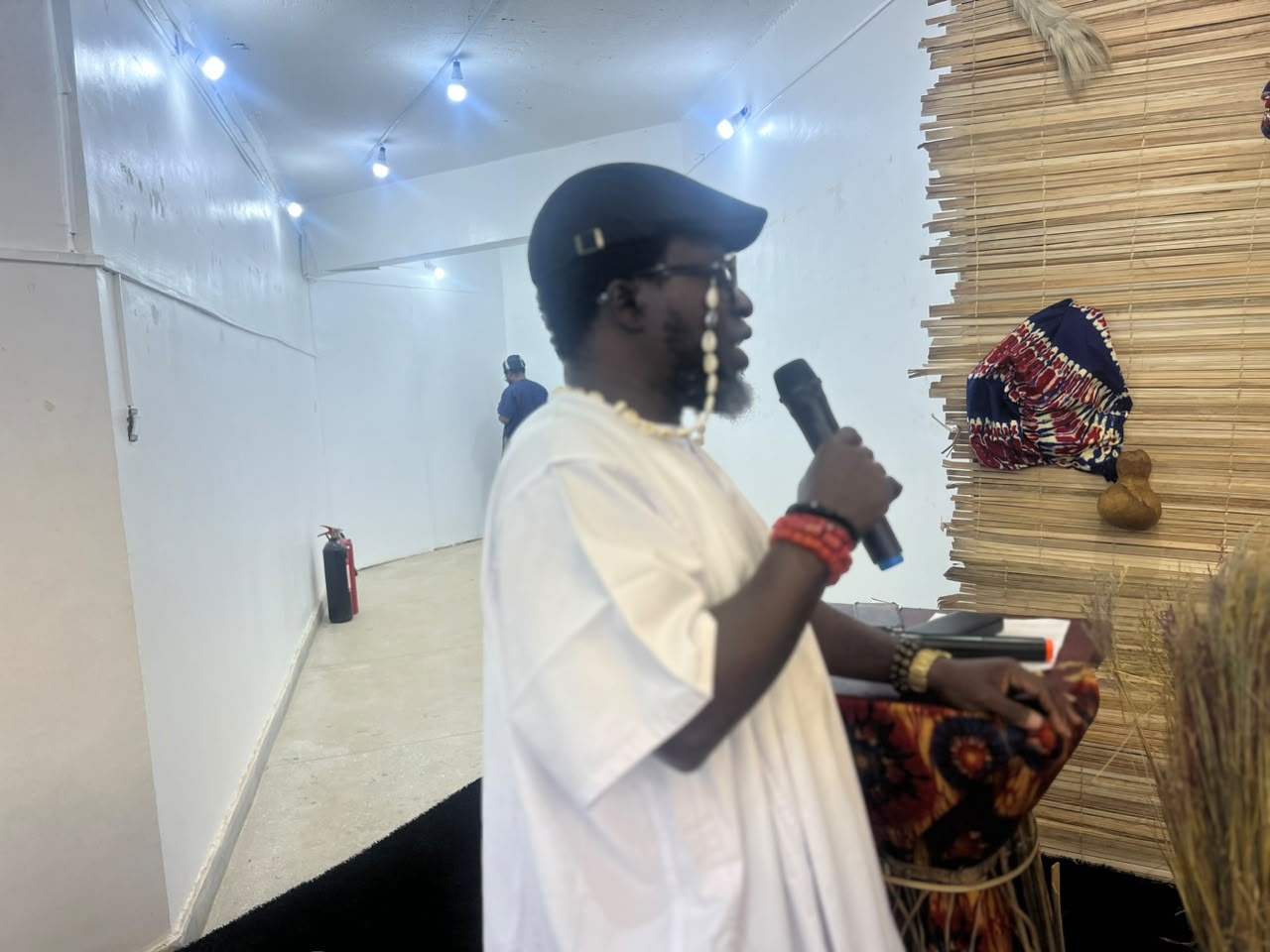
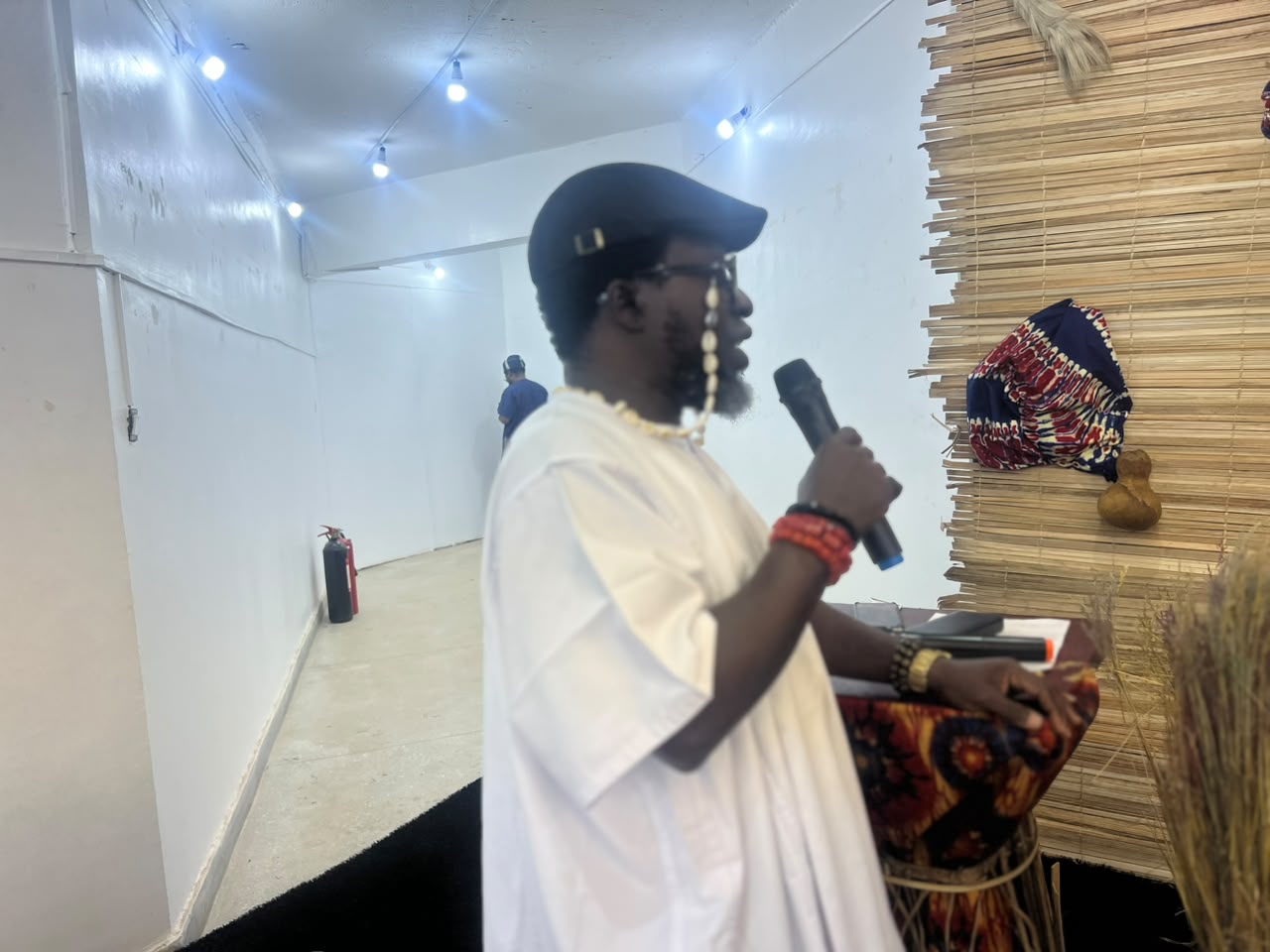
Chief Pekun Olaleye CEO of Ori Africa
Yinka ADETUNJI
Advertisement

Advertisement

Advertisement

Advertisement

The founder and Chief Executive Officer of Ori Africa, Chief Pekun Olaleye, has called on governments and other stakeholders to harness Africa’s cultural heritage, indigenous knowledge and natural resources for economic development, job creation and innovation.
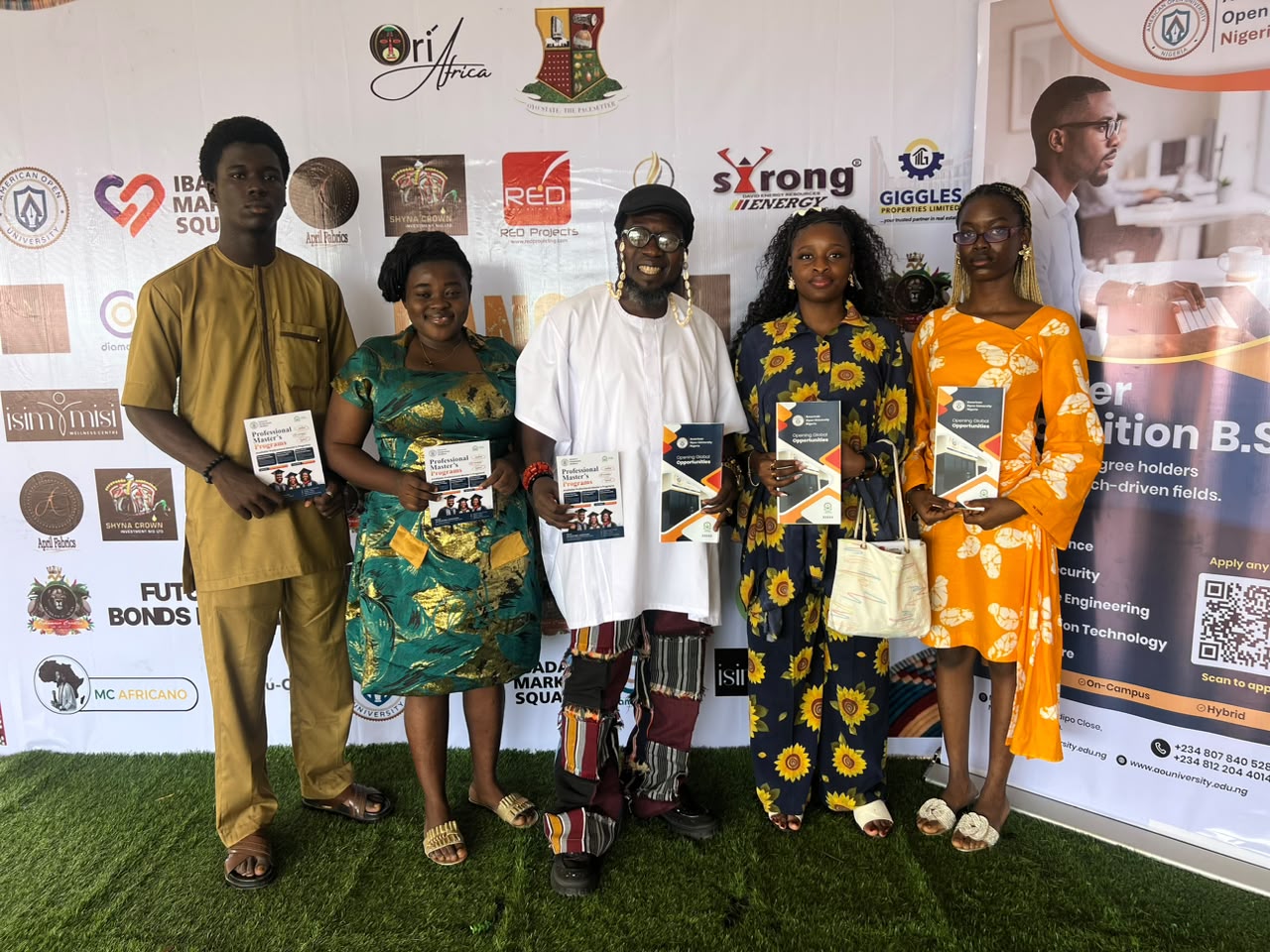
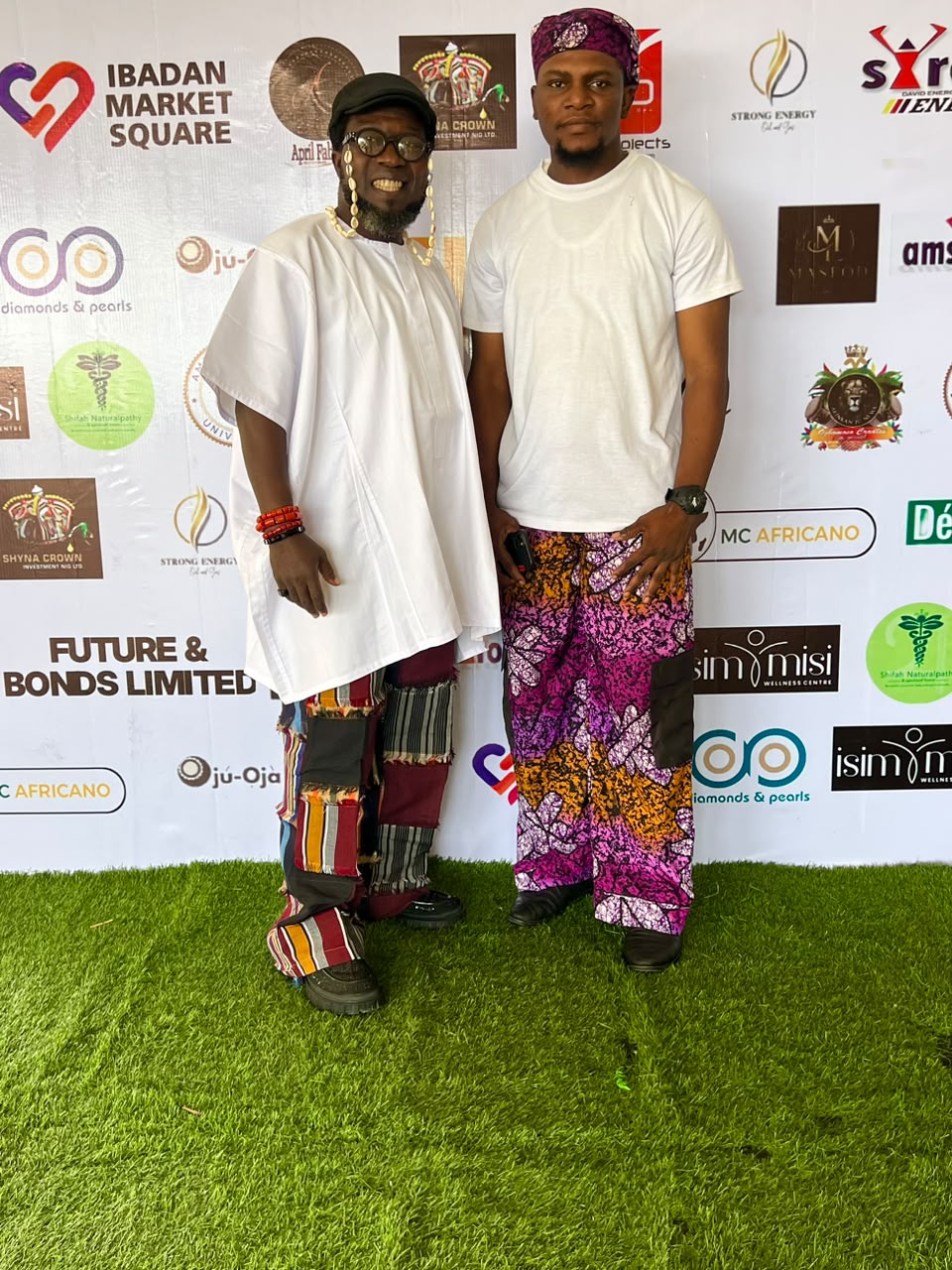
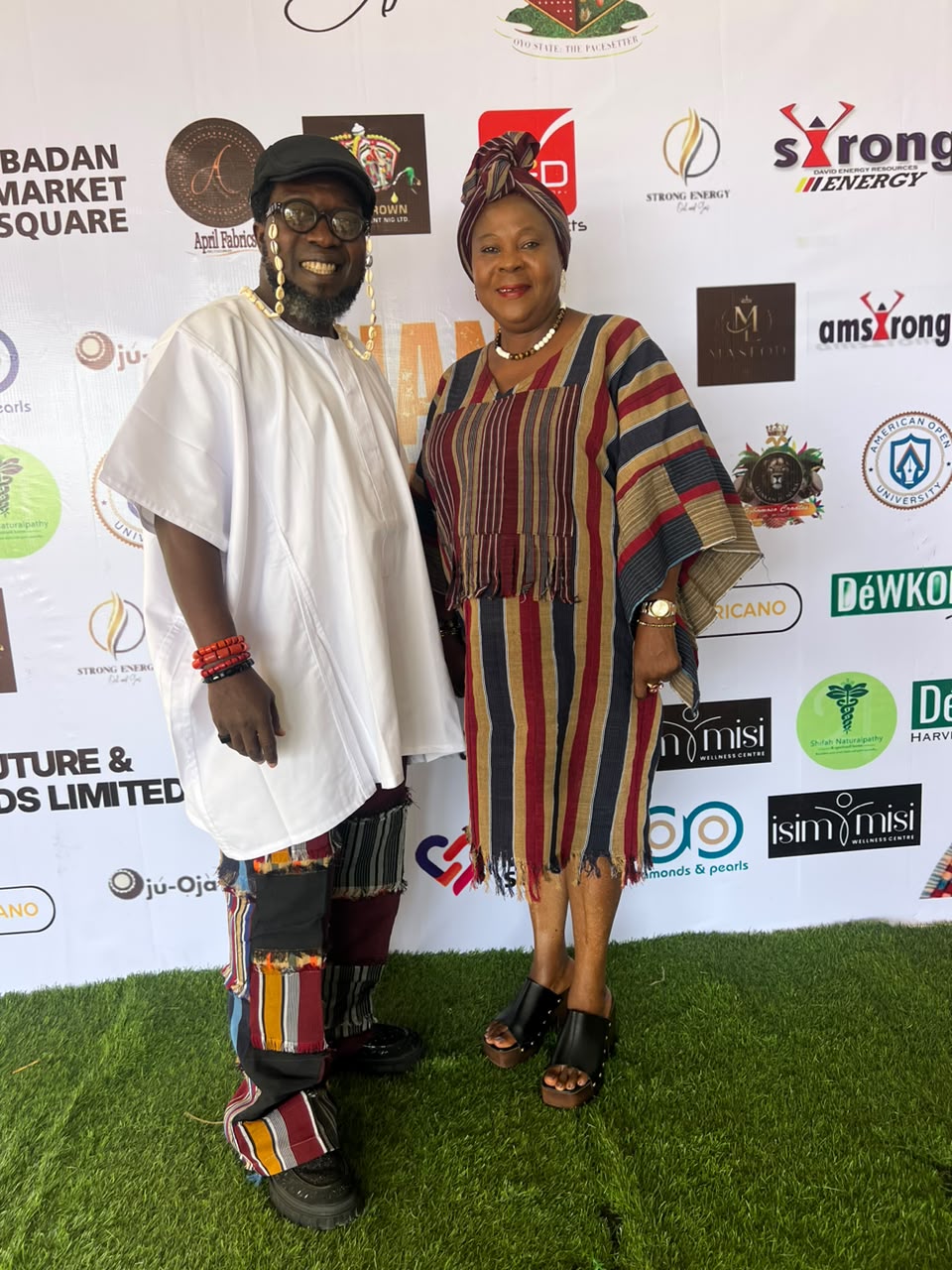
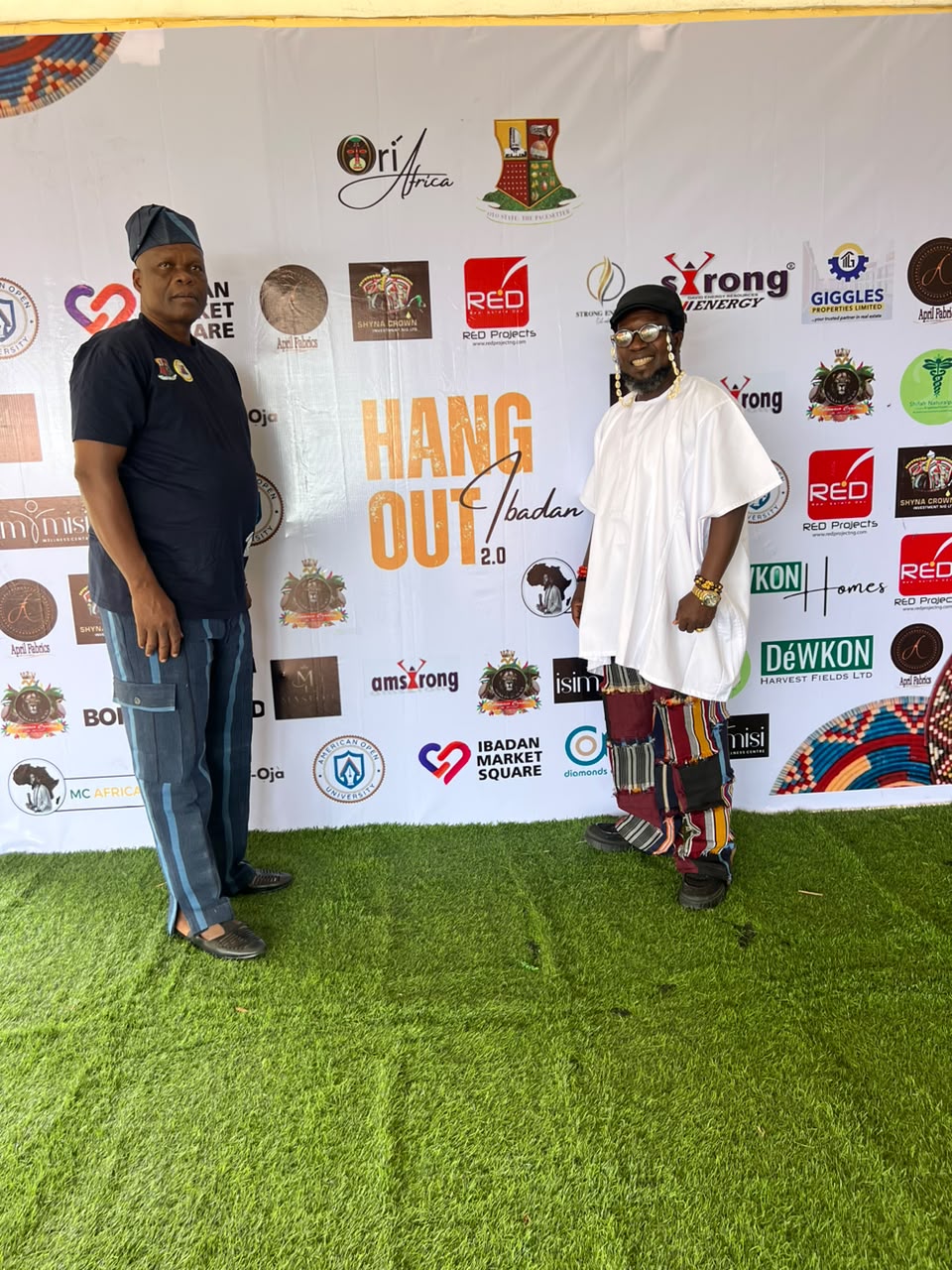
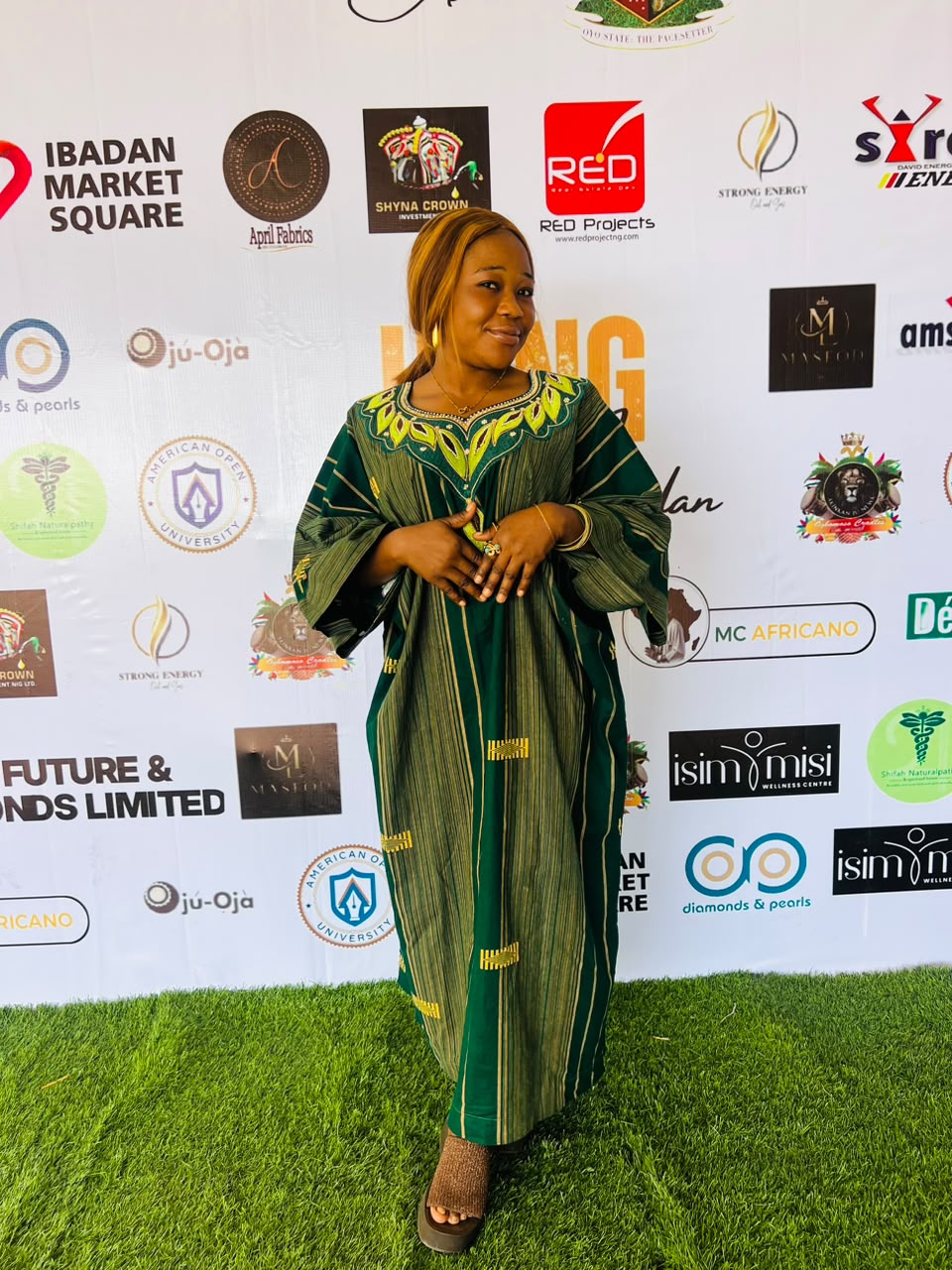
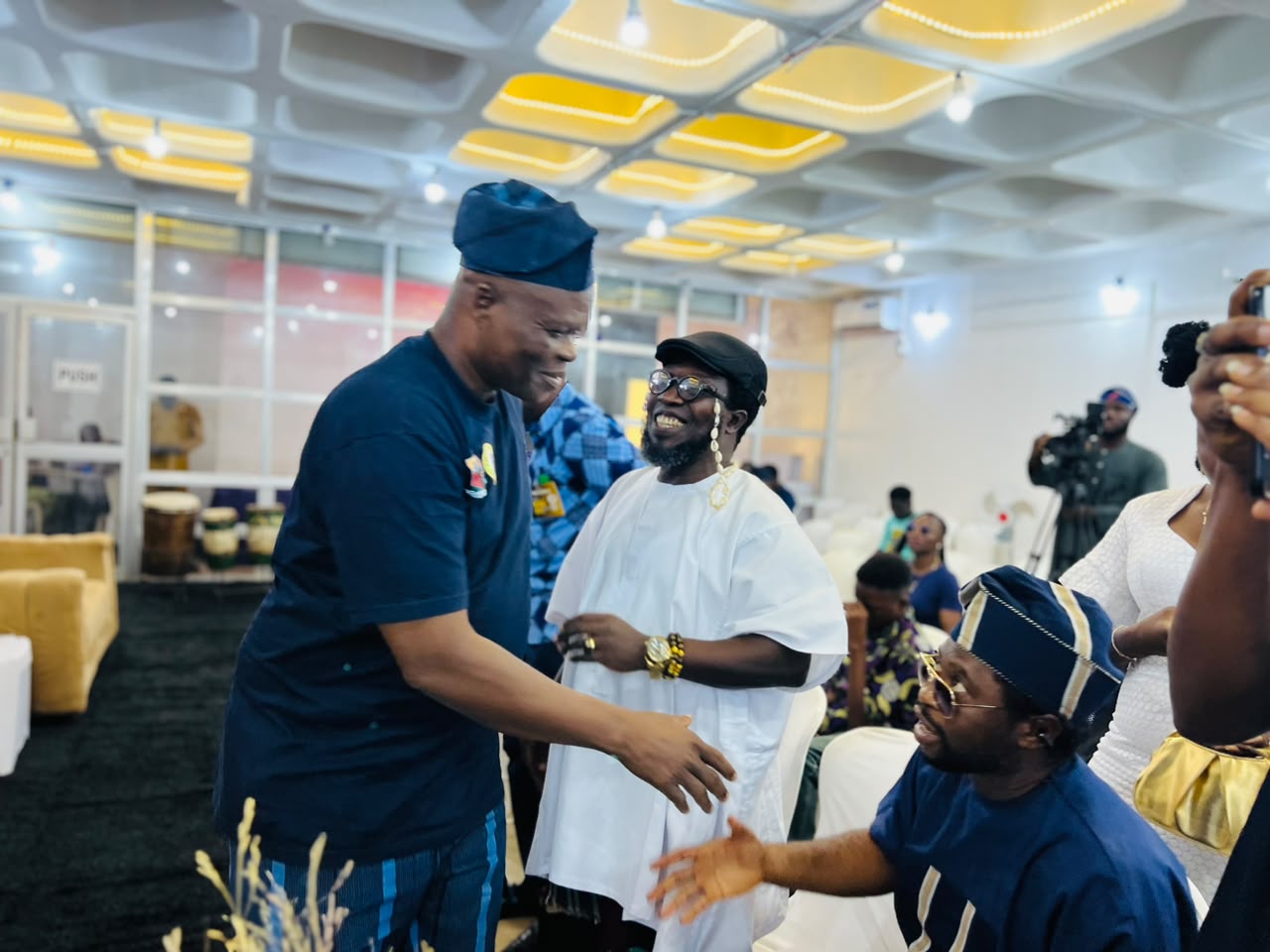
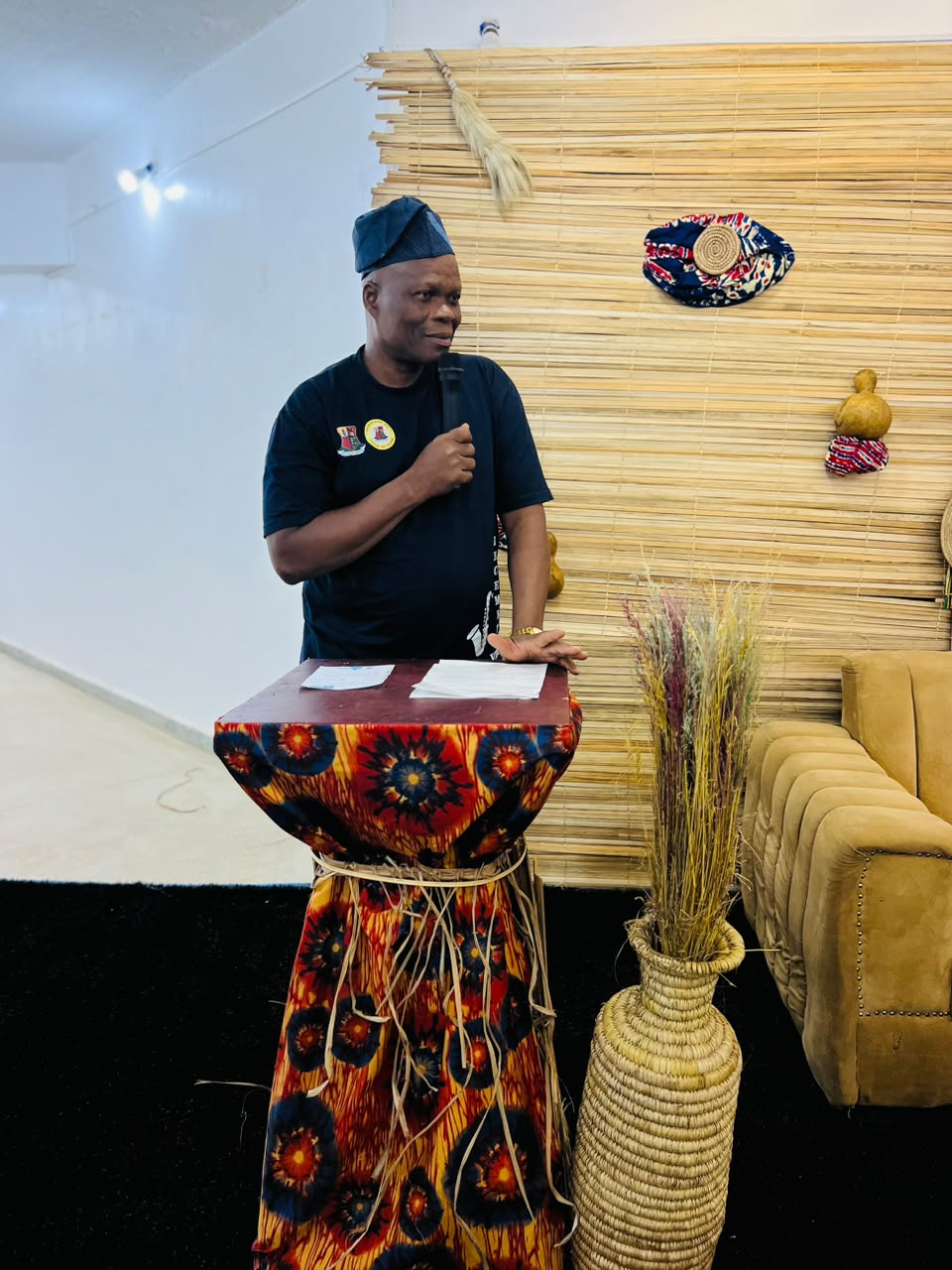
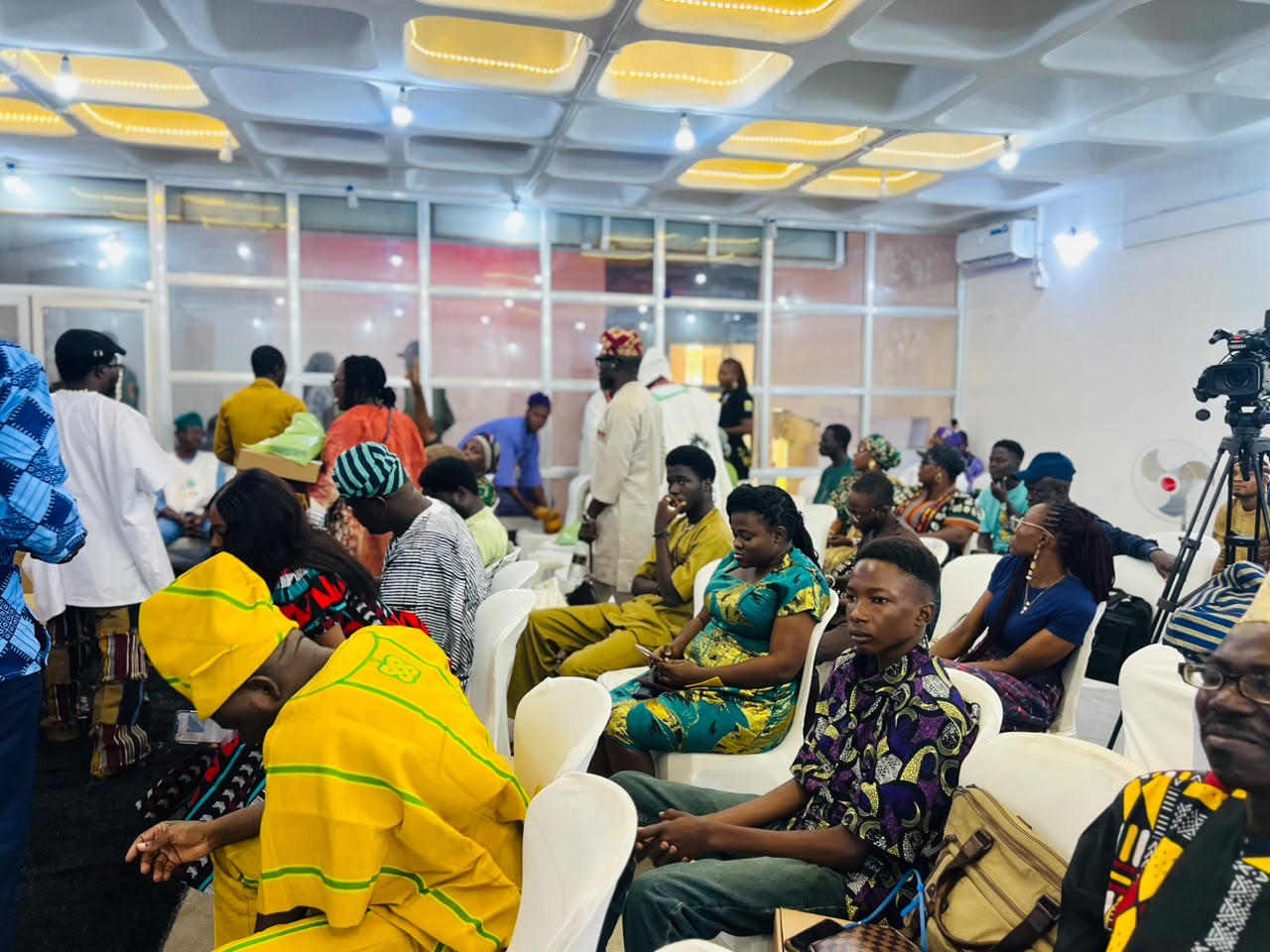
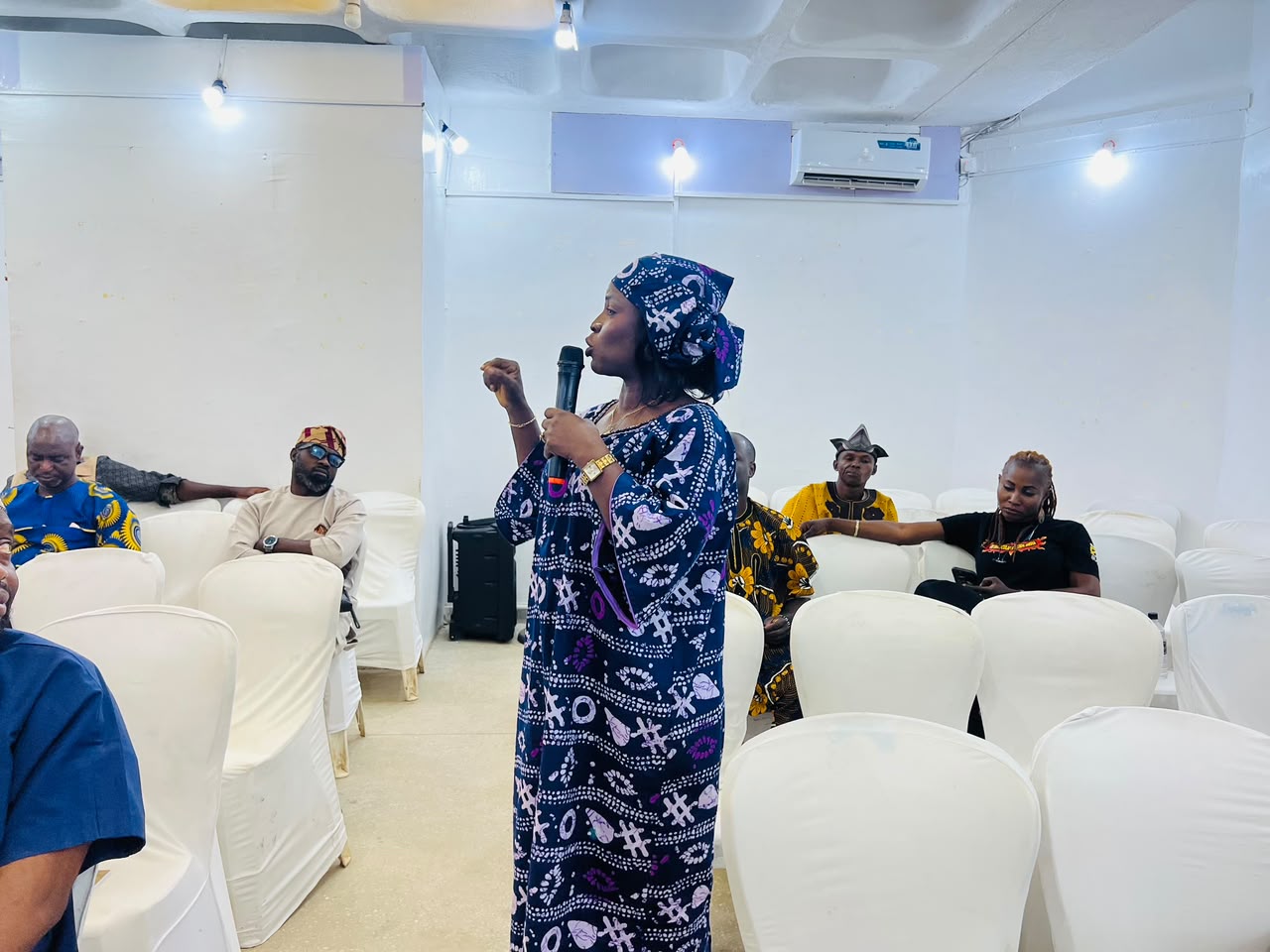
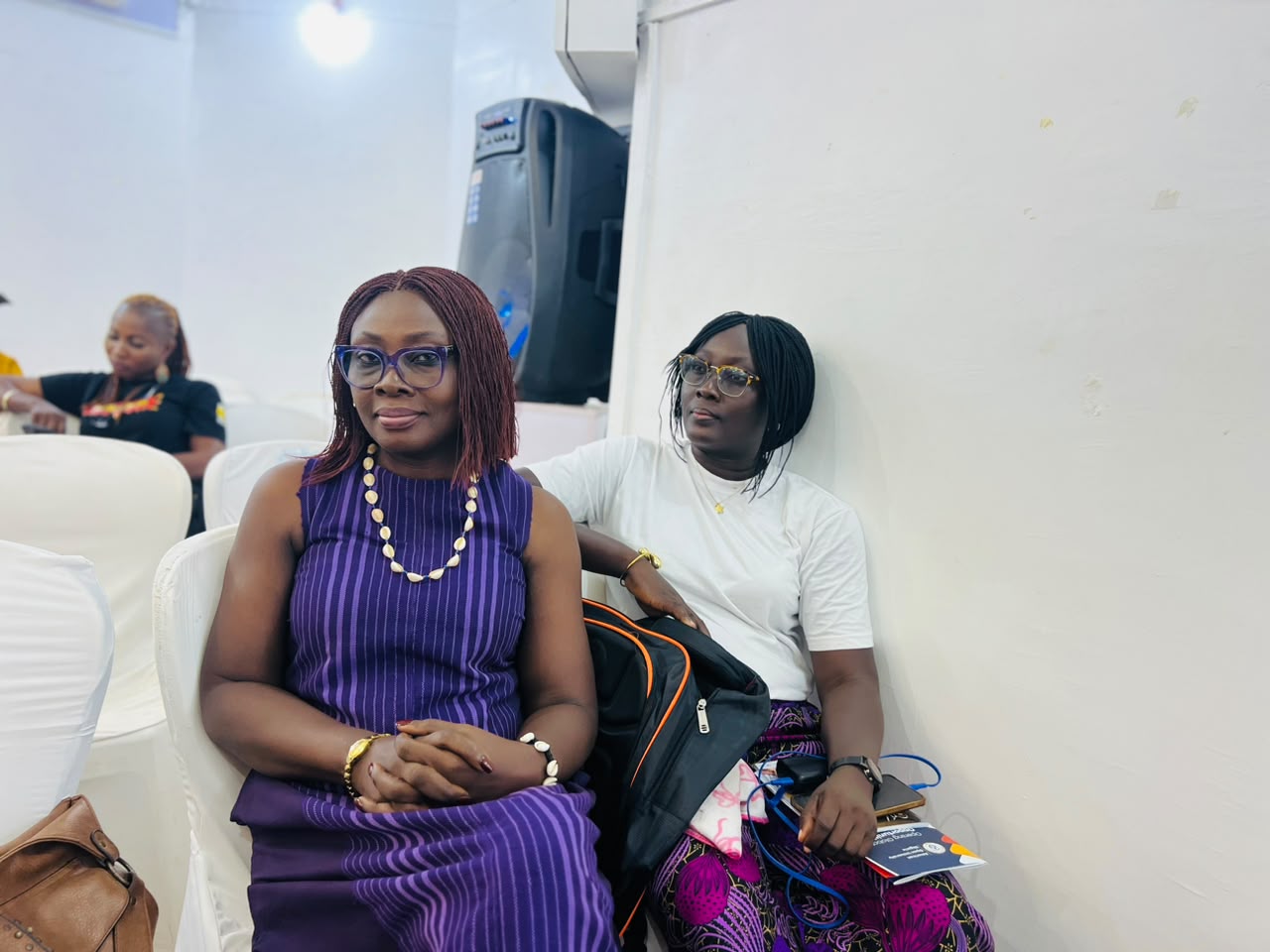
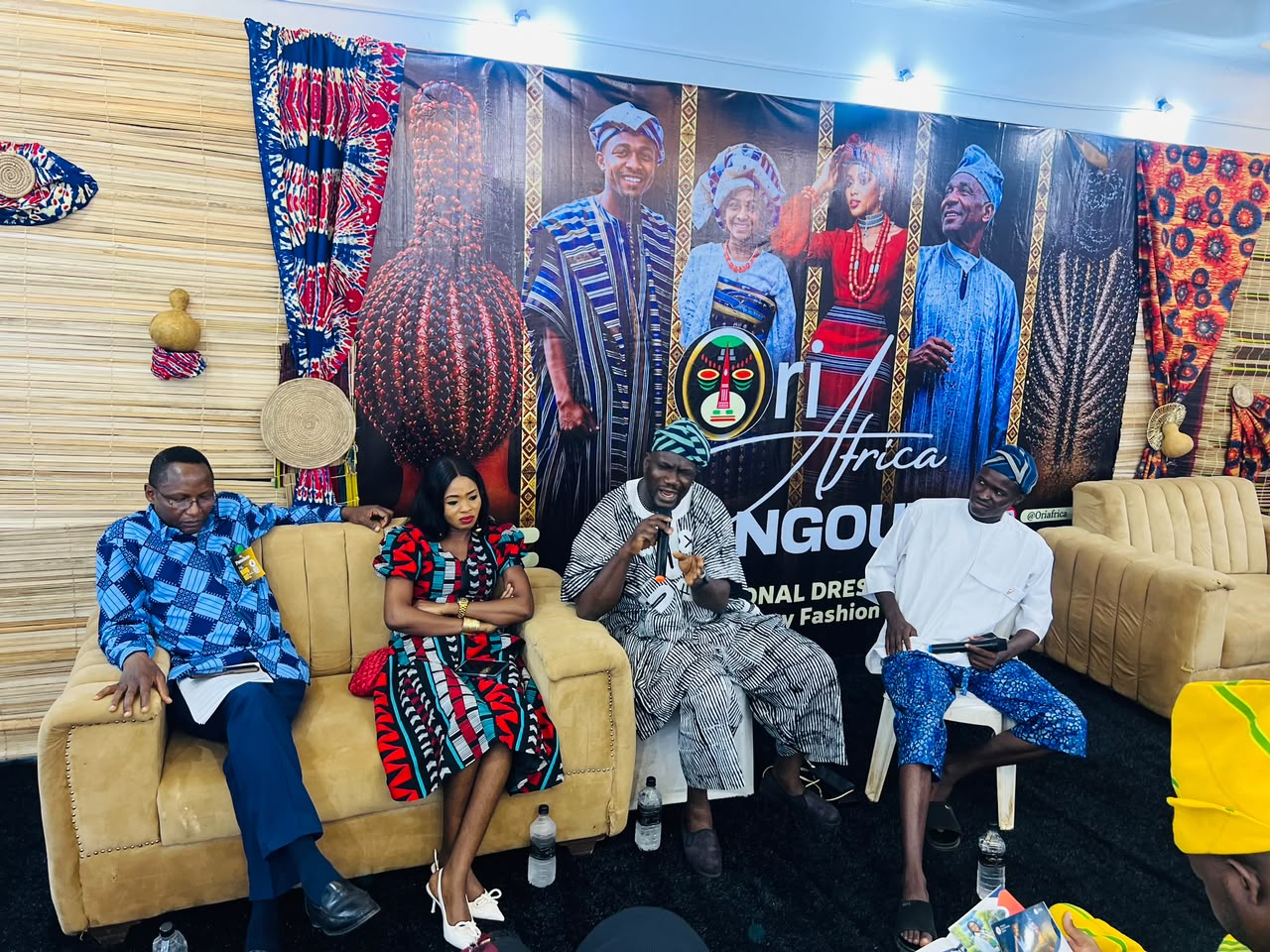
Chief Olaleye made the call Saturday, during the second edition of Ori Africa Hangout in Ibadan, Oyo state capital, held at the National Museum of Unity, and which featured panel discussion and had in attendance people from relevant fields including custodians, researchers, university dons, users, creatives and traders, and people who encounter African traditional dress from different perspectives.
In his speech, Olaleye disclosed Africa is blessed with abundant natural resources and rich cultural heritage, noting these were sources of wealth to Africans in the past, stressing that the continent was never poor.
He therefore urged Africa to rediscover itself by adequately harnessing its resources and transforming them into opportunities for sustainable development.
He further contended the notion that Africa was poor asserting that the continent was home to about 30% of the world’s mineral reserves aside other resources and technological capabilities. He declared that this notion needed to be deconstructed from Africans’ mindset.
“Africa has never been poor. Africa holds one of the greatest concentrations and varieties of the earth’s mineral resources,” Olaleye remarked. “The continent is estimated to hold roughly 30% of the world’s mineral reserves, including the largest global shares of precious metals and critical technology components that power today’s industries.
Advertisement

Advertisement

“So, if Africa is so richly endowed, why do we continue to describe Africa as poor? Perhaps, poor is a social construct and weapon.”
He said the time had therefore come to translate these resources and technological know-how into drivers of economic developments, innovation and technological breakthrough, emphasizing that Africans were already mining useful resources for invention and production of metal tools, weapons, implements etc.
The businessman disclosed African deities like Ogun (god of iron) excellently mastered the art of iron work and technology, disclosing the incursion by western countries hampered the growth.
“Long before our relationship with the West, our ancestors were already identifying resources beneath the earth and transforming them into tools, weapons, agricultural implements and objects that sustained society.
“In Yorùbá tradition, we encounter several ingenuity, Ògún, Òrìşà (Ení Òrişà dá) of iron and technology, the one with the mastery of iron. His story reminds us of something important, our ancestors were not merely consumers of the world around them. They were innovators, technologists, producers and problem solvers.”
He now enthused, “This is the Africa we want to rediscover,” adding gleefully, “At Ori Africa, our intention is to contribute our own part to reconnecting Africans with this potential. Our vision is to build conversations and platforms across the 54 countries of Africa and identify what is valuable in our culture, history, knowledge, creativity and resources, it is this journey that necessitates going back to school at 51.”
The Agbaakin of Okin-Apa Ogbomoso, further affirmed that the critical question centres on how to transform the resources into opportunities for development, education, enterprise and innovation.
“The question therefore is, how can we transform these assets into opportunities for development, right education, enterprise and innovation?”
He consequently disclosed Ori Africa was fully committed to adding impetus towards this rediscovery and action plan by taking the message around the continent towsrds changing the narrative.
“Today, we are having a conversation about African Traditional Dress from the Yorùbá perspective of modesty, tomorrow, we may be in Tamale, Ghana, discussing the knowledge systems and possibilities around traditional African medicine. Another day, we may be in Senegal discussing traditional architecture, in Ethiopia exploring ancient knowledge systems, or somewhere else on the continent examining food, art, trade, music, technology or indigenous industries. For us, the conversation is only the beginning.
“Our responsibility is to emphasize the value of these subjects, advocate for them, document them, gather useful data around them and, importantly, identify the possibilities for enterprise.”
Advertisement

Advertisement

He said his experience spanning 30 years in business had taught him that “an idea becomes much more powerful when we can demonstrate how it can create value, generate income, build businesses and create opportunities for people.” He assured this would be brought to bear.
The emerging culture and tradition ambassador urged everyone to join the crusade to spread the message. “We don’t want Ori Africa’s conversations to end when the microphone is switched off. We want the conversation to become knowledge, opportunities, enterprise and invariably contribute to Africa’s development.”
Olaleye explained that the choice of African traditional dress, particularly from the Yoruba perspective of modesty, as the focus of the Ibadan gathering was part of a broader effort to examine the continent’s cultural heritage.
He said future engagements could explore traditional medicine, architecture, food, art, music, technology and indigenous industries in different African countries.
“For us, the conversation is only the beginning. Our responsibility is to emphasise the value of these subjects, advocate for them, document them, gather useful data around them and, importantly, identify the possibilities for enterprise,” he said.
Also speaking, the Oyo state Commissioner for Culture and Tourism, Mr. Wasiu Olatunbosun, advised the organisers to establish a stronger presence in Nigeria before expanding their activities to other African countries.
Olatunbosun, who commended the initiative, said its future editions should prioritise local communities and educational institutions, particularly schools, as a way of ensuring that younger generations embrace African culture and traditions.
Advertisement

Advertisement

He said cultural education should begin early, noting that school children were more receptive to learning and preserving indigenous values.
“What I am upholding right now is that we should use culture and traditions. We should gradually introduce it to those children right from the beginning,” he said.
The commissioner advocated the introduction of inter-school cultural competitions to encourage students to learn traditional dances and other cultural practices.
He said such competitions would provide opportunities for young people to acquire cultural knowledge while developing their talents.
The commissioner encouraged the Ori Africa team to document its activities and use available recordings to promote the initiative to wider audiences.
He, however, stressed that expanding internationally should not come at the expense of building a strong foundation at home.
“I feel that you should first establish a firm footing at home before going outside,” he said.
A lecturer at the Institute of African Studies, University of Ibadan, Dr Oladapo Ajayi, also called for greater investment in indigenous knowledge and the development of local industries.
Ajayi said African countries needed to move beyond discussions about cultural preservation and develop practical policies that would enable local knowledge and resources to generate economic value.
He noted that foreign manufacturers had studied African patterns and incorporated them into their products, while local industries continued to face challenges in developing their own capacity.
According to him, knowledge production, research and appropriate educational curricula are essential to transforming Africa’s cultural resources into sustainable businesses.
He questioned why African students often travelled abroad to study fashion when local universities could develop programmes that reflected the continent’s cultural heritage and economic needs.
“Which university today, which of our curriculum is also coming up with this kind of curriculum that will address African needs?” he asked.
Ajayi said the fashion and textile industries could create employment opportunities for young people if governments, universities and entrepreneurs worked together to strengthen local production.
He cited the challenges facing traditional Adire production, including dependence on imported chemicals and the insufficient cultivation of indigenous materials, as examples of the need to develop local supply chains.
He said cultural industries should be treated as a national development priority, particularly in view of the need to create jobs for Nigeria’s growing population.
Ajayi called on academics and other stakeholders to use their knowledge and influence to advocate policies that would support local industries and protect the country’s collective economic interests.
Earlier, another lecturer at the Institute of African Studies, Mr Akeem Ashiyanbi, described traditional dressing as a form of visual communication that reflects identity, social status, cultural values and personal character.
Ashiyanbi said African traditional attire should not be viewed merely as clothing, but as a means of communicating cultural identity and heritage.
He explained that traditional dressing had evolved over time, with colonialism and the association of Western clothing with education and administrative positions contributing to the decline in its everyday use.
He, however, said African fashion remained dynamic and could adapt to modern influences without losing its cultural significance.
“Dressing itself is a form of visual language that communicates and talks to us,” he said.
Also speaking, a textile entrepreneur, Mrs Aderinsola Ogunleye of April Fabrics, said demand for African fabrics had continued to cut across different categories of consumers, including those who wore them to work and those who purchased them for social events.
Ogunleye said some customers preferred traditional designs, while others embraced modern adaptations of African fabrics.
She warned against the growing imitation of indigenous textile designs by foreign manufacturers, particularly the production of fabrics that resemble traditional Adire.
Advertisement

According to her, authentic Adire production requires considerable time and effort, making it more expensive than mass-produced imitations.
She urged Nigerians to appreciate the value of locally produced fabrics and support indigenous textile practitioners.
Olaleye expressed appreciation to the Ori Africa team and the museum that hosted the gathering, urging participants to continue supporting the initiative’s efforts to promote African culture and knowledge.














Leave a Reply