
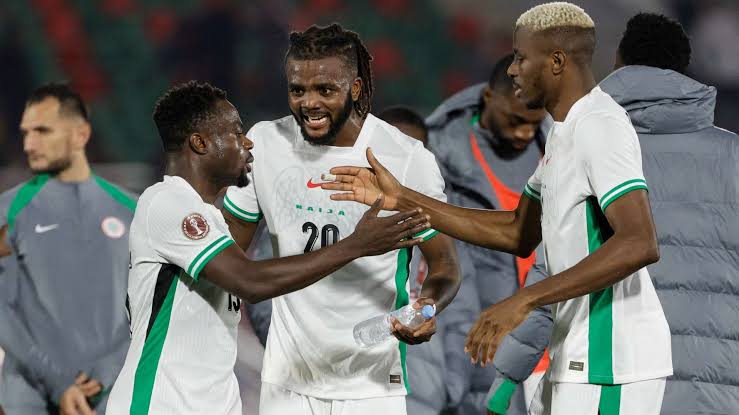
Nigeria and the 2026 world cup: Could the Super Eagles have gone far?
Yinka ADETUNJI
Advertisement

Advertisement

As the 2026 FIFA world cup gathers momentum, Nigerians can only watch and wonder what might have been. The painful reality is that Africa’s most populous nation and one of the continent’s football powerhouses is absent from the mundial. It is a development that should provoke serious reflection rather than mere lamentation.
The question many football lovers have continued to ask is simple: if Nigeria had qualified, how far could the Super Eagles have gone?
To answer this question, one must first acknowledge the quality available to Nigeria. The country parades some of the finest footballers Africa has produced in recent years. From Victor Osimhen’s goal-scoring prowess to Ademola Lookman’s attacking brilliance and Alex Iwobi’s creativity in midfield, Nigeria possesses players capable of troubling any opposition on their day.
Yet football is not won on paper.
One of Nigeria’s greatest problems over the years has been inconsistency. The Super Eagles can defeat a highly-rated team today and struggle against a less fancied opponent tomorrow. This has remained the puzzle of Nigerian football. Why does a country blessed with immense talent often fail to maximise its potential?
If Nigeria had secured qualification, progressing beyond the group stage would have been a realistic target. The expanded format of the competition has made advancement easier for teams with quality and depth. It is difficult to imagine the super eagles failing to compete strongly against many of the teams presently participating in the tournament.
Advertisement

Advertisement

However, the bigger question is whether Nigeria could have gone beyond the round of 16.
The answer is yes.
Many of the countries regarded as favourites are not necessarily more talented than Nigeria. What separates them is organisation, planning, discipline and continuity. These are areas where Nigeria has often fallen short. The nation’s football administrators frequently leave too much to chance. Coaching appointments become controversial, preparation is inadequate and long-term planning is sacrificed for short-term fixes.
Imagine a Nigeria side properly managed and adequately prepared. Imagine players arriving at the world cup with stability in the technical crew and confidence in the football authorities. Such a team would certainly have been capable of reaching the quarter-finals.
The painful aspect is that this is not a hypothetical discussion about a weak football nation. Nigeria’s absence is not due to lack of talent. It is the consequence of avoidable shortcomings. Countries with fewer resources, smaller populations and less football pedigree found their way to the world cup while Nigeria stayed at home.
That should concern every stakeholder.
Football has become a multi-billion-dollar industry globally. Beyond trophies and celebrations, participation at the world cup enhances national image, creates commercial opportunities and inspires younger generations. Missing out repeatedly carries enormous consequences.
Advertisement

The lesson therefore is clear. Nigeria does not need more excuses. What the country requires is proper planning, competent administration and a genuine commitment to football development.
The Super Eagles may have missed the 2026 world cup, but the greater tragedy would be failing to learn from the mistakes that led to their absence. Talents abound in Nigeria. What remains scarce is the vision and organisation needed to transform those talents into sustained success.
Until that changes, Nigerians may continue to ask what might have been, instead of celebrating what has been achieved.











Leave a Reply